

Compare finishes ↔
PLASTIC SURFACE FINISHING
Plastic Surface
Finishing Services
Explore 26 finishing, surface-effect and tooling options for custom plastic parts—from painting and printing to laser marking and metallization. We match the process to your material and application, then coordinate sampling and production.
Molded & cast parts · Material-specific reviewRobotics · Medical · Automotive · Drones
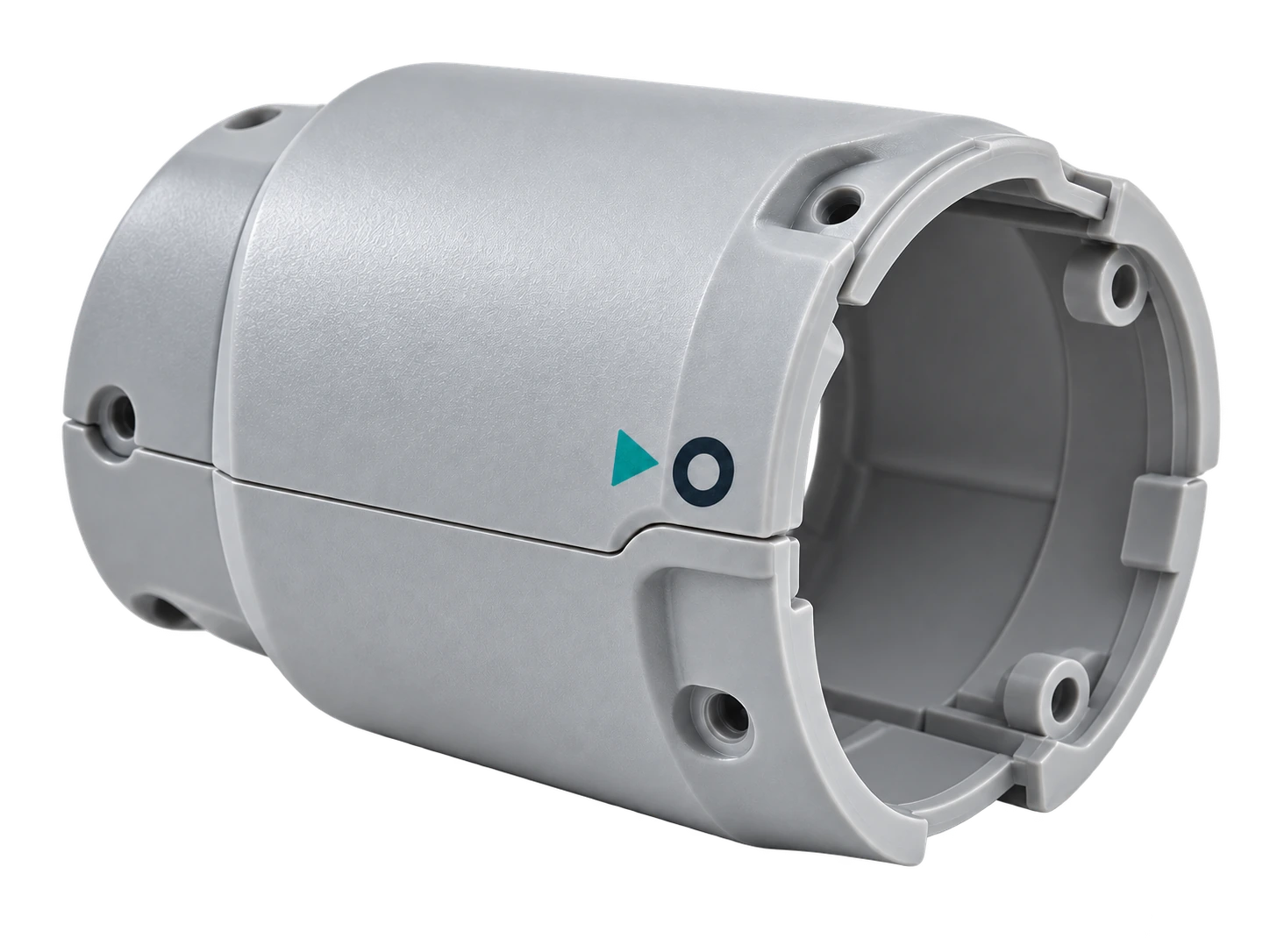
01 — FINISH EXPLORER
See the finish. Choose the route.
Select a finish for details, or compare two visual directions.
Explore the full process & finish catalog ↓
Mold-created surfaces
Post-molding decoration
Compare finishes ↔
26 finishing & surface options
Start with an appearance target, decoration method or tooling requirement. Combine options and confirm the route against the material and approved sample.
Part finishing: review molded and cast plastics separately
Painting, printing and metallization can be evaluated for suitable parts. Cast PU and injection-molded ABS or PC require separate preparation, adhesion and curing checks.
Tool engineering: treatments for the mold itself
Mold DLC, hard chrome, PVD and nitriding apply to suitable steel tooling. They are not coatings for silicone molds or plastic parts.
Mold-created finishes & appearance specifications
 As-molded / standard finish
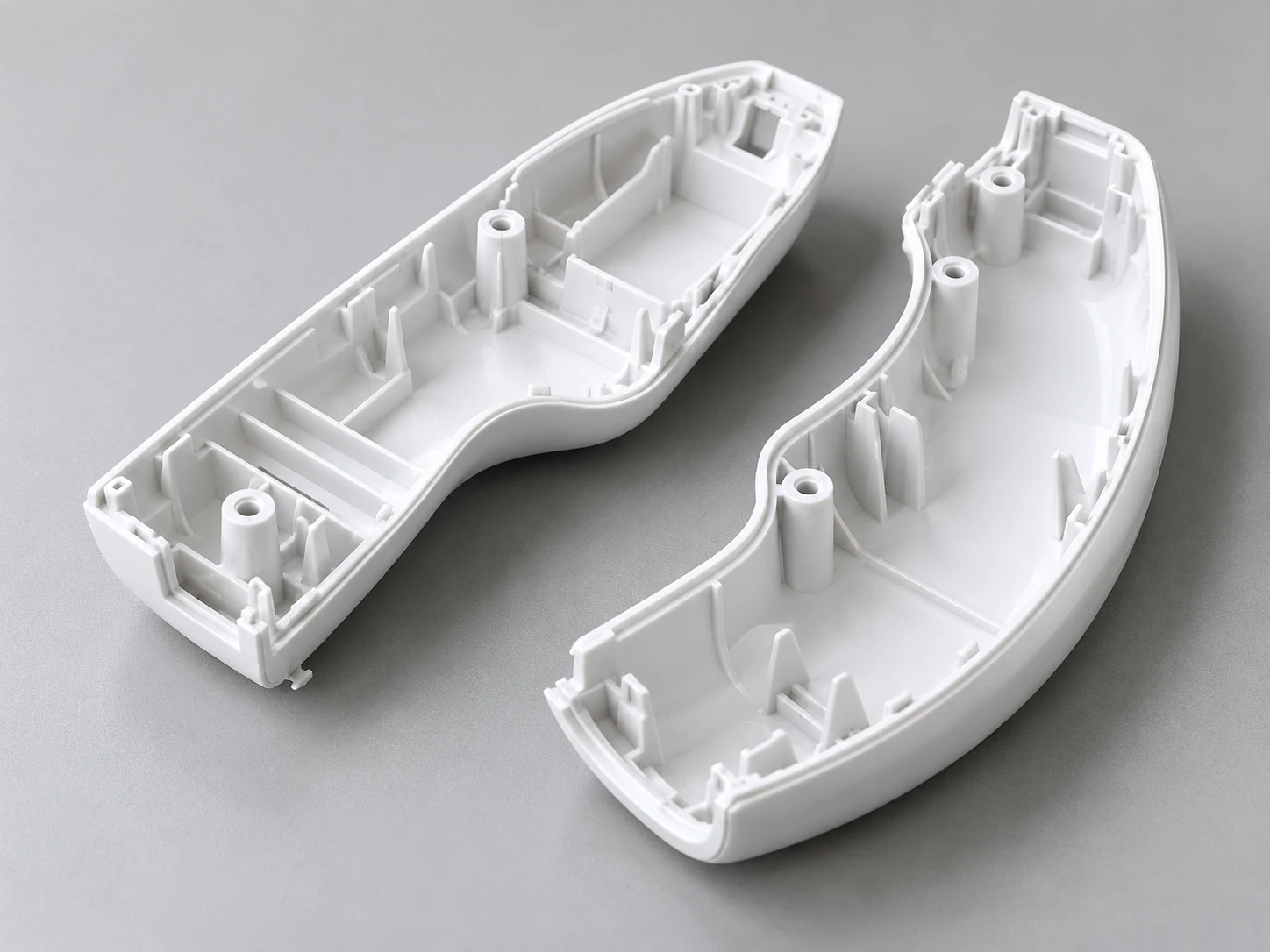
No added decoration; agree on the tool surface and cosmetic acceptance.
High gloss / mold polishing
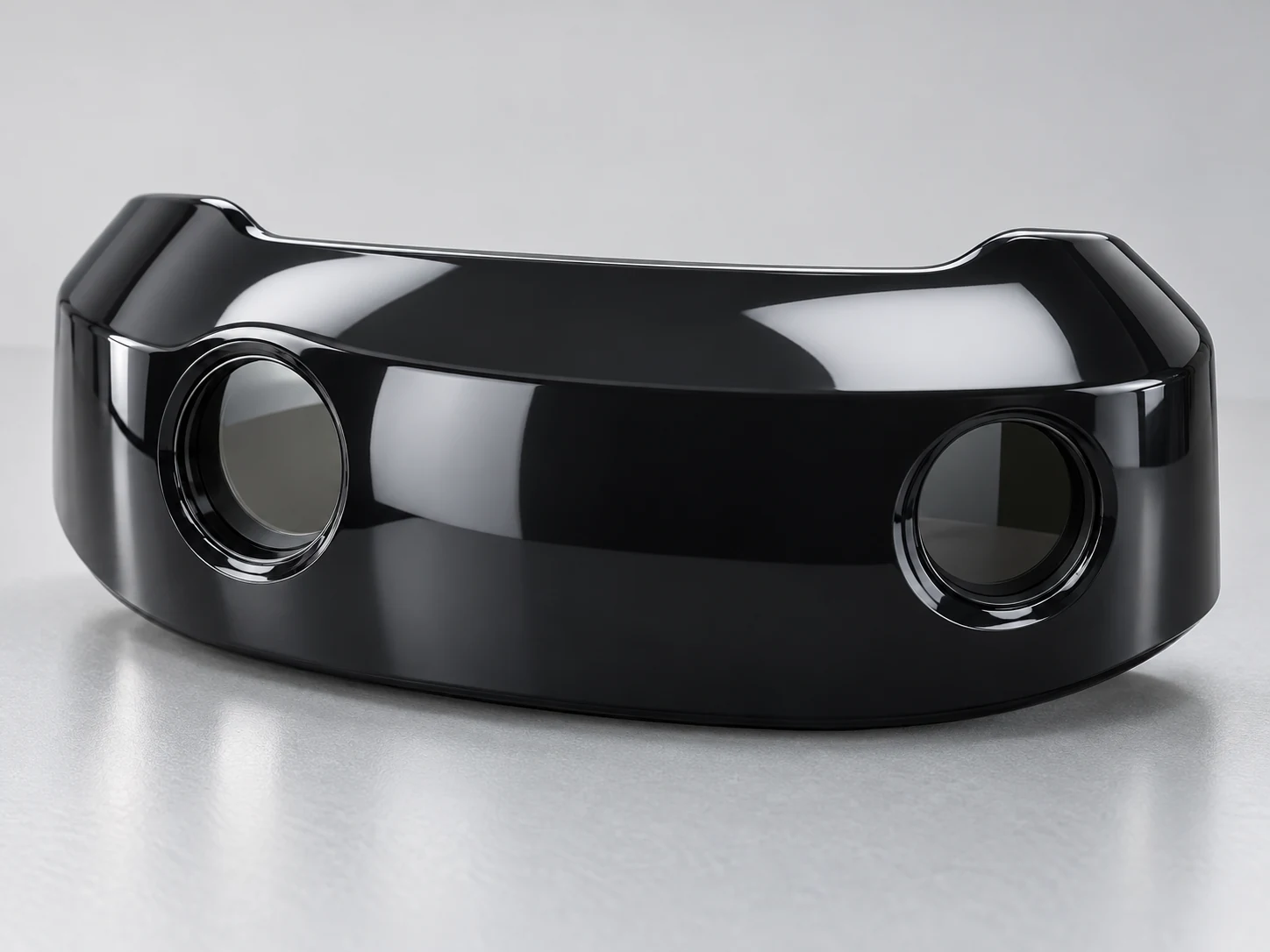
Control gloss through mold polishing; resin and molding affect replication.
Semi-gloss
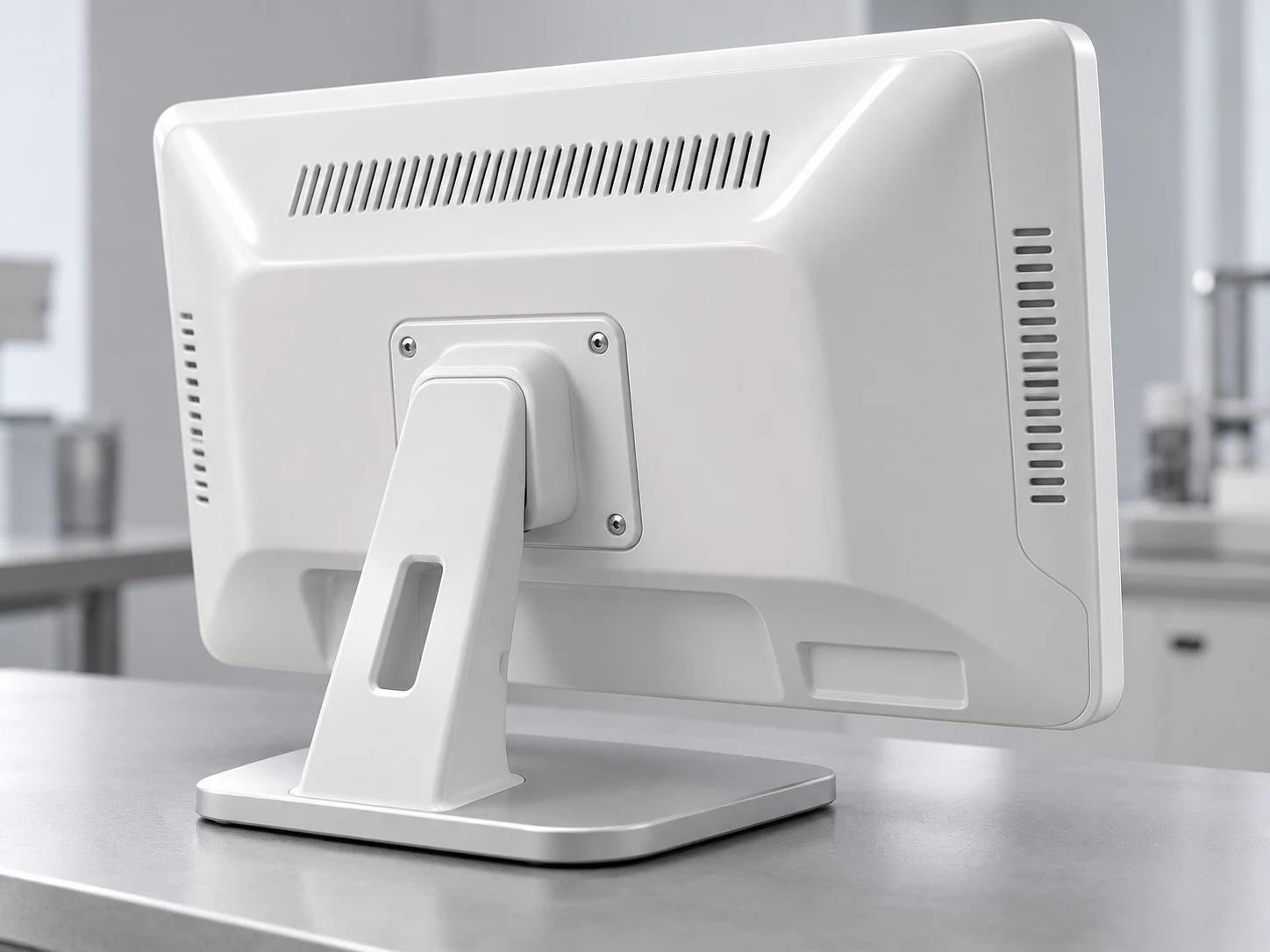
SPI B finishes provide a specification route; confirm the grade and sample.
Matte

Low gloss is a valid customization target; specify the tool finish and sample.
Texturing / etching / EDM / blasted texture
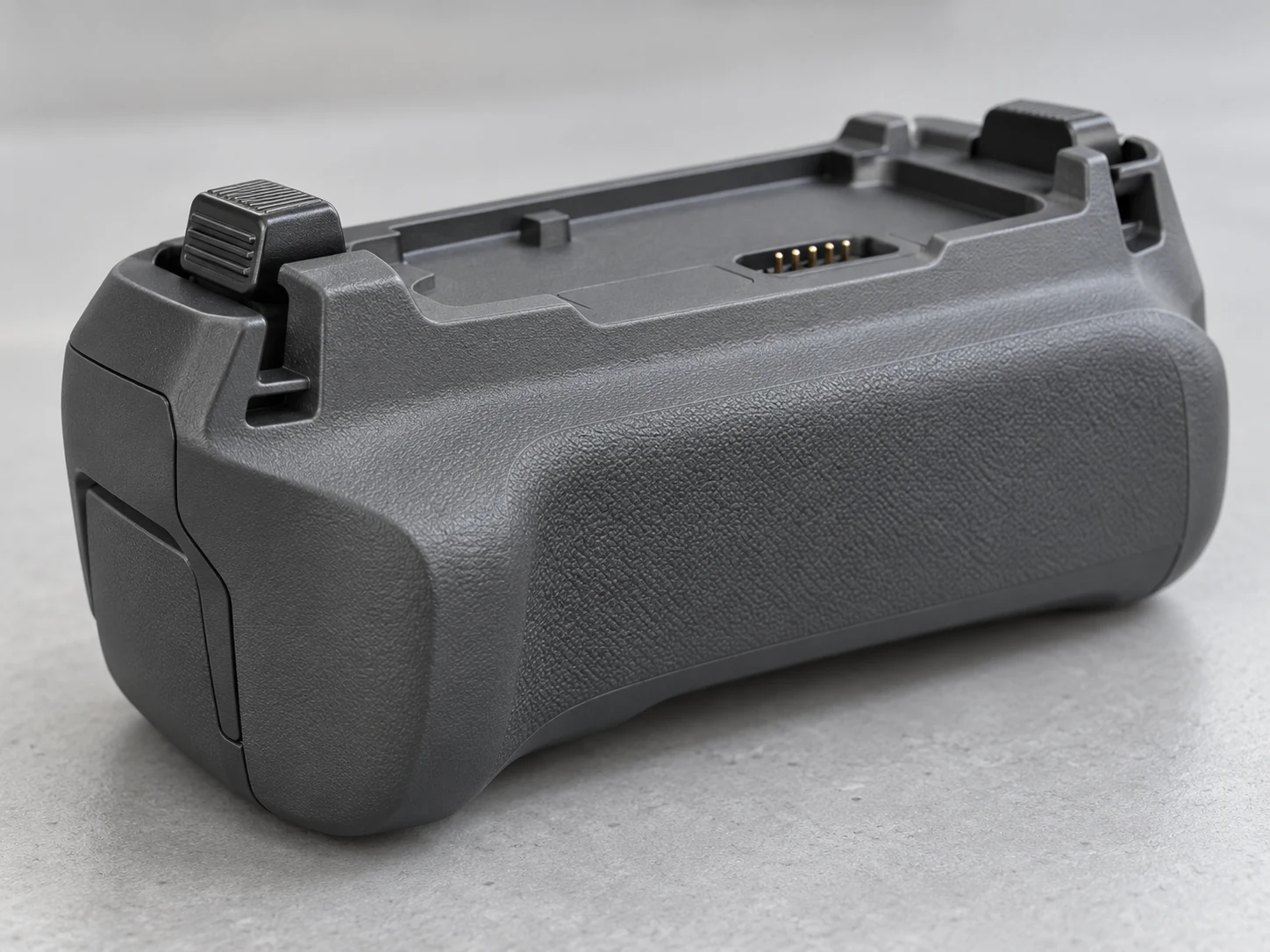
These are tool-side texture routes; review draft, texture depth and cosmetic zones.
SPI / VDI / Mold-Tech / Yick Sang
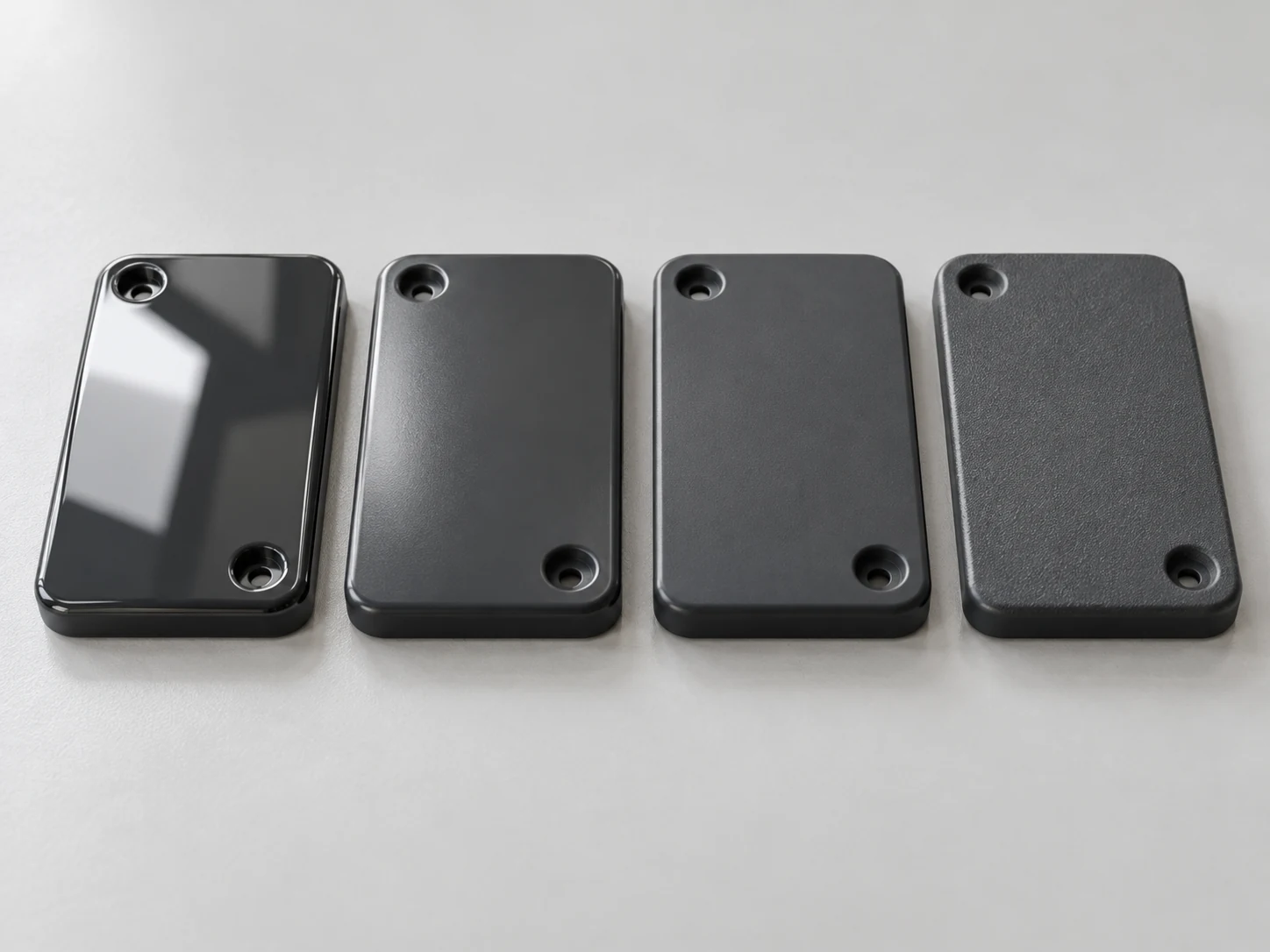
Specify a grade, texture code or sample; the systems are not interchangeable.
Post-molding decoration & functional coatings
Painting / spraying
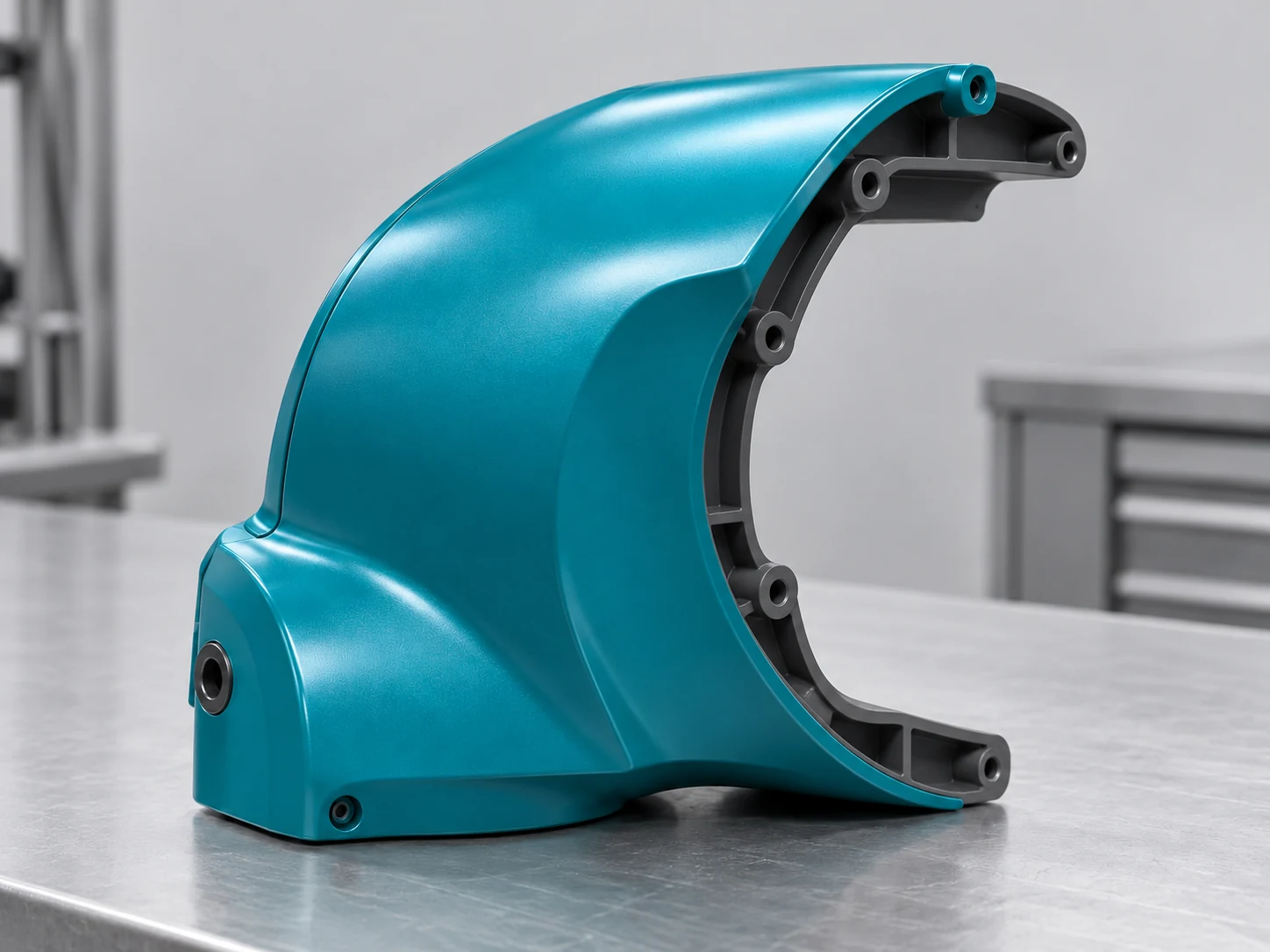
Choose coating and preparation for color, gloss, resin and exposure.
Pad printing
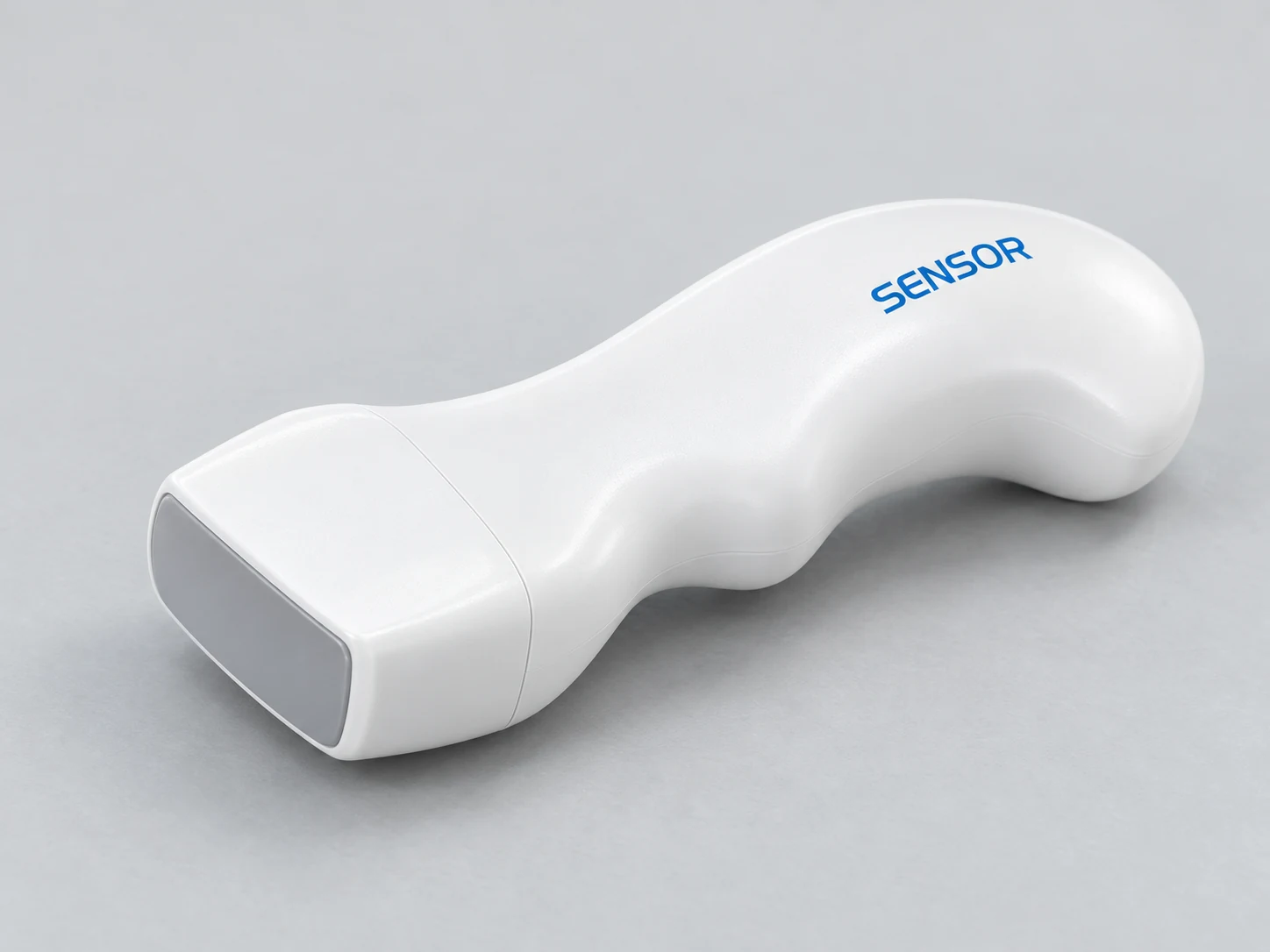
For text and graphics; review curvature, ink and registration.
Screen printing / silk screening
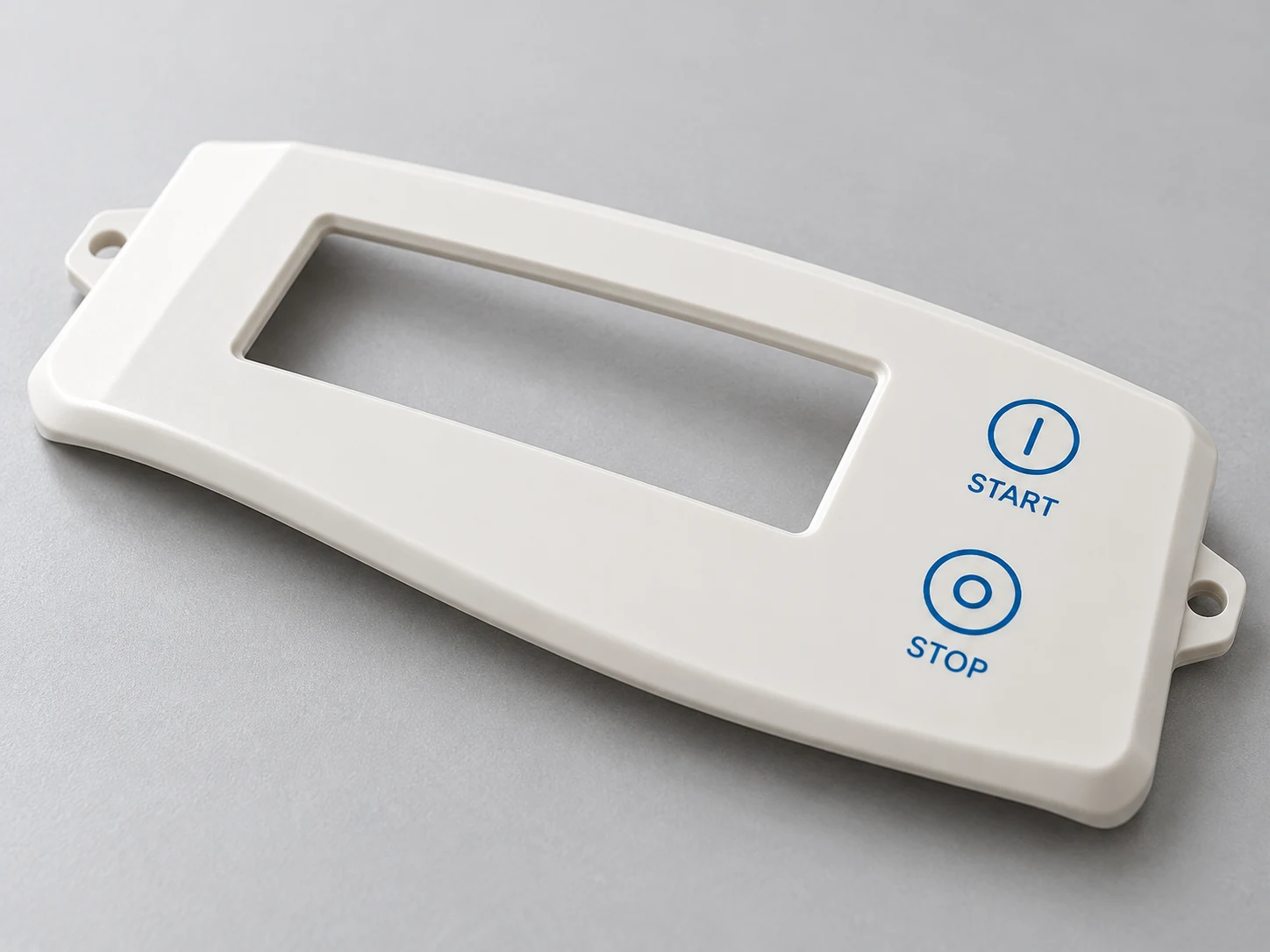
Review graphic area, surface access, ink and color registration.
Laser marking / engraving / etching
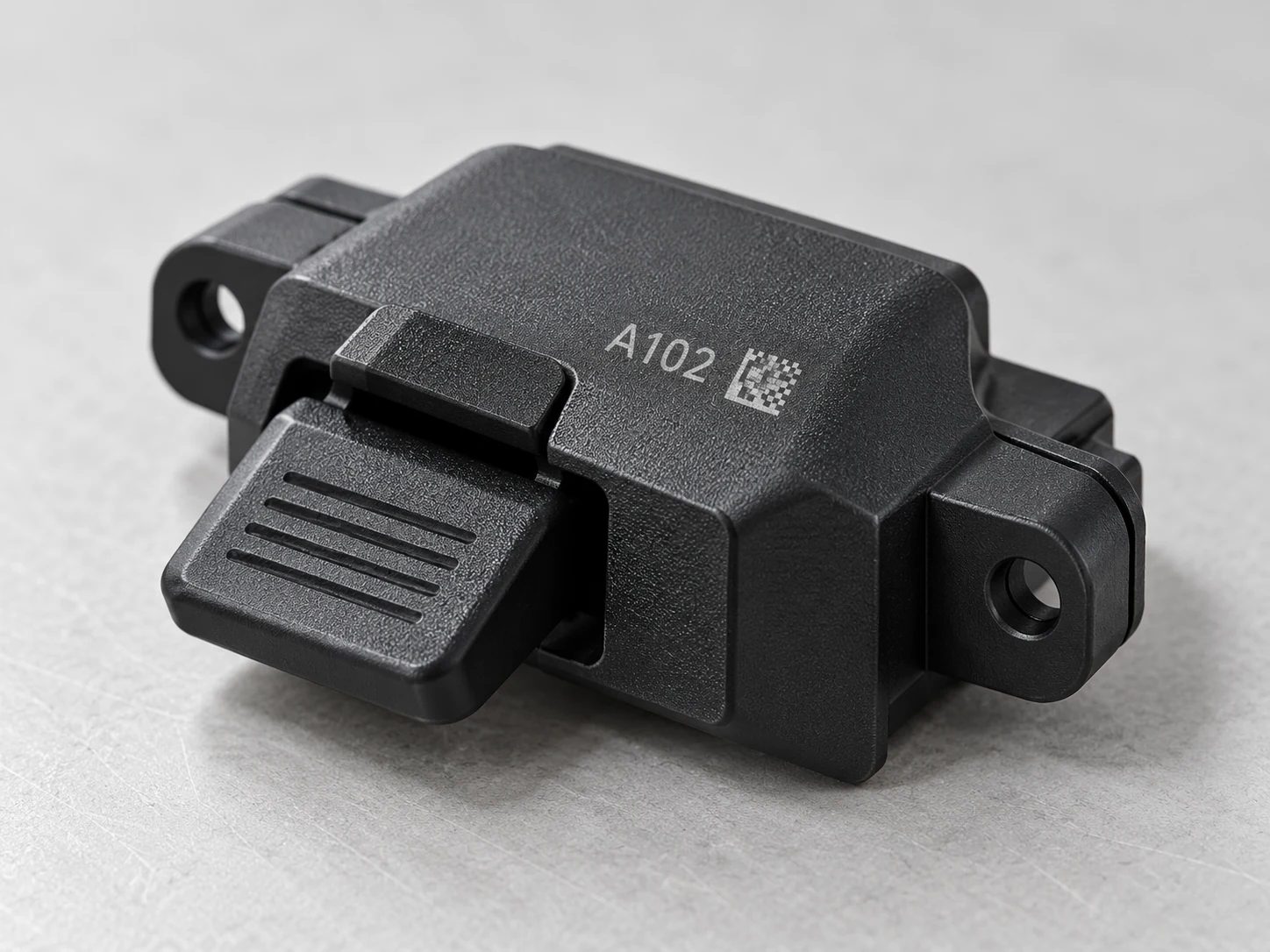
Related marking routes; specify removal depth, contrast and resin compatibility.
UV coating
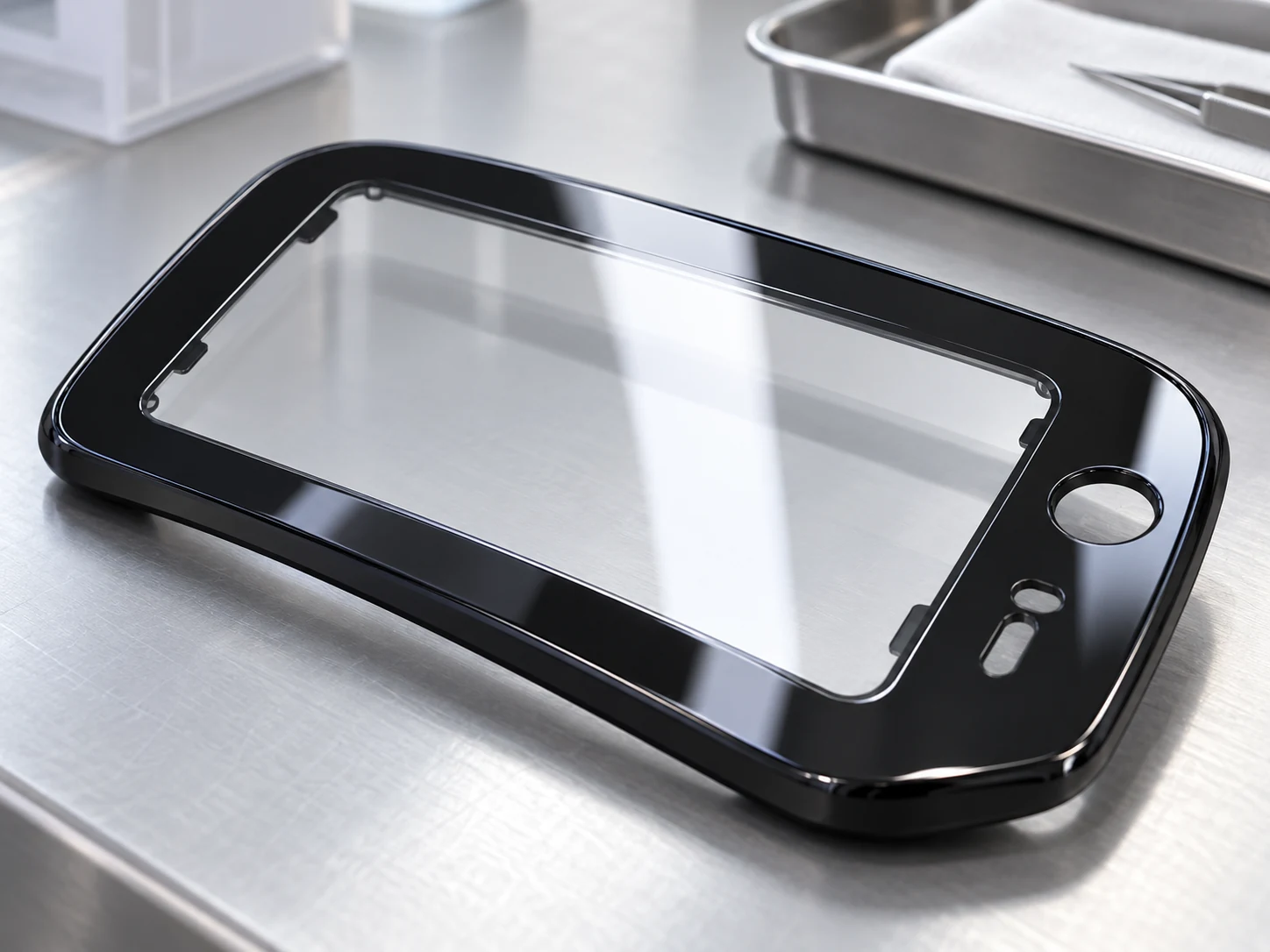
UV-cured coating, not UV printing; check resin, adhesion and cure conditions.
Hot stamping
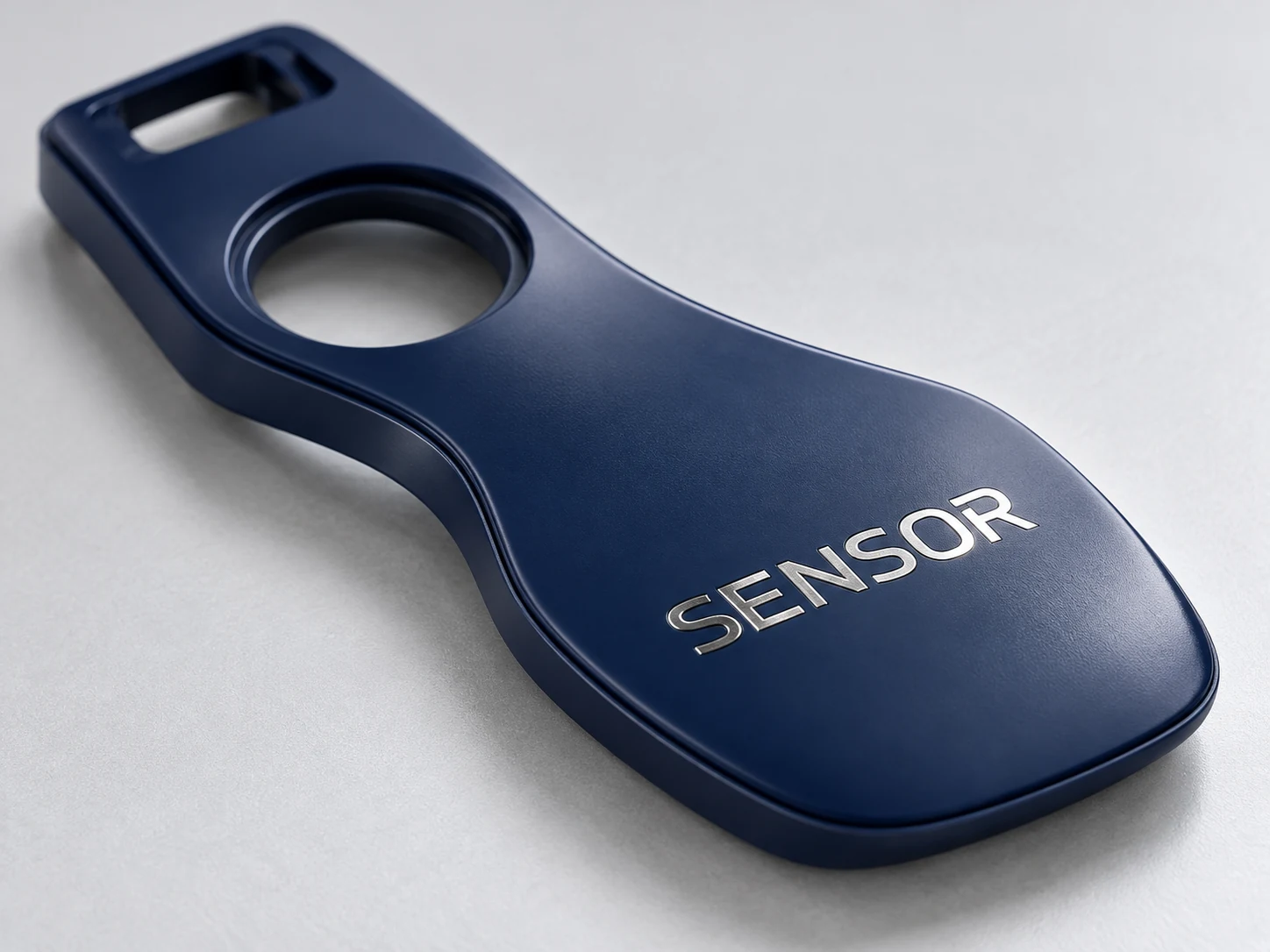
Transfer foil with heat and pressure; review artwork, curvature and heat sensitivity.
Heat transfer printing
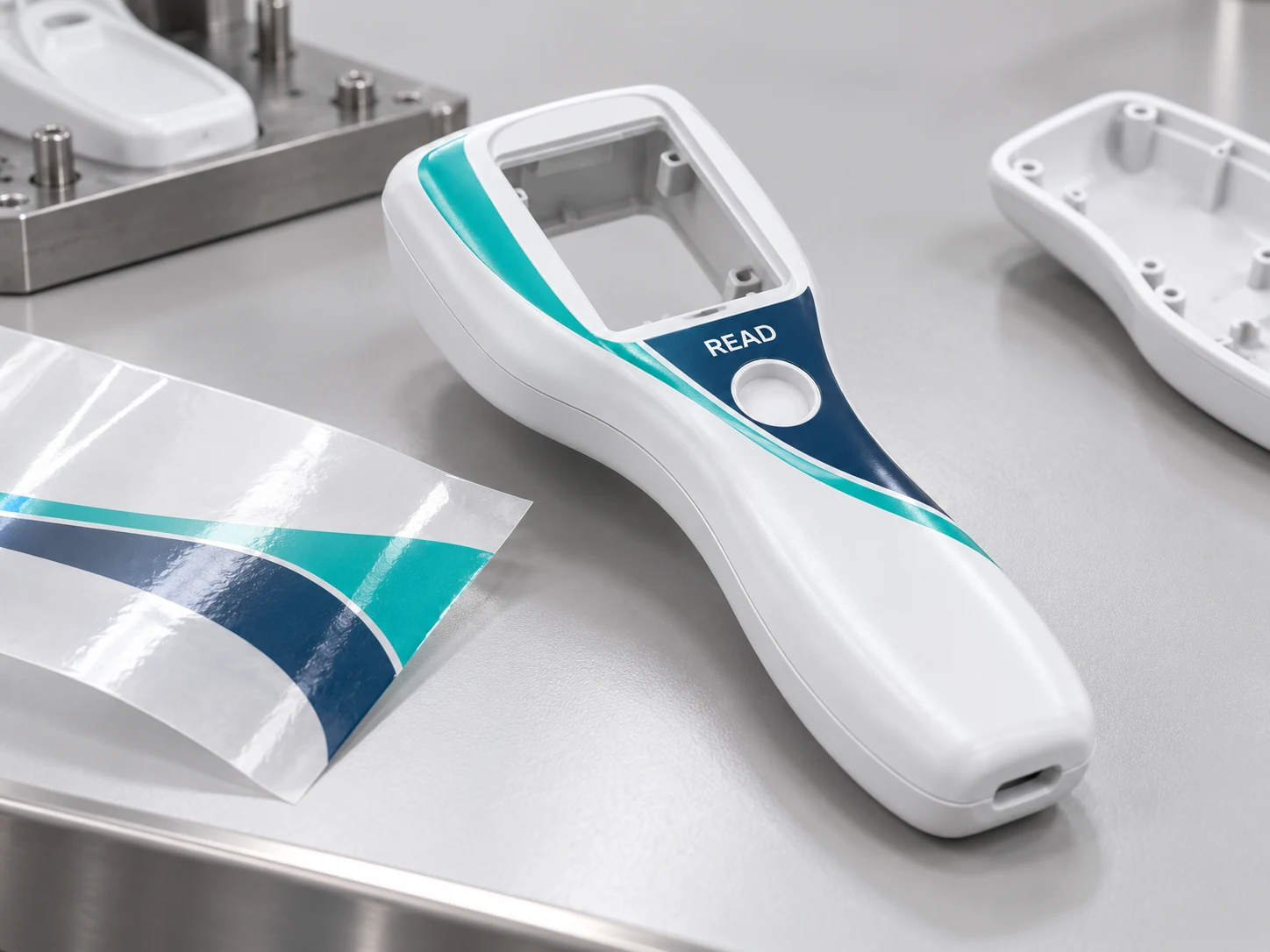
Transfer prepared graphics; review carrier, temperature and part geometry.
Water transfer printing
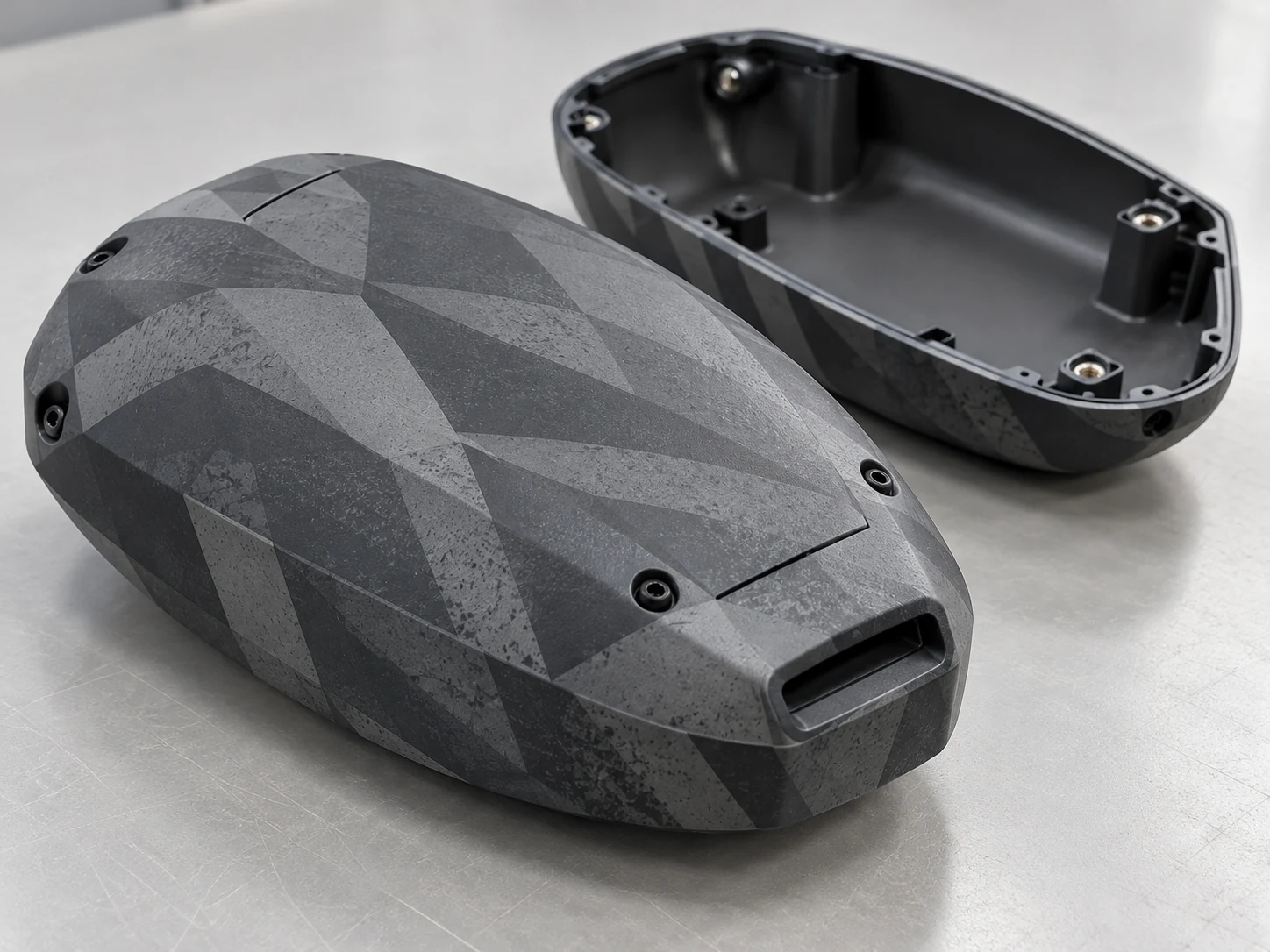
Transfer a film pattern; review preparation, distortion and protective coating.
Plastic electroplating / chrome / gold
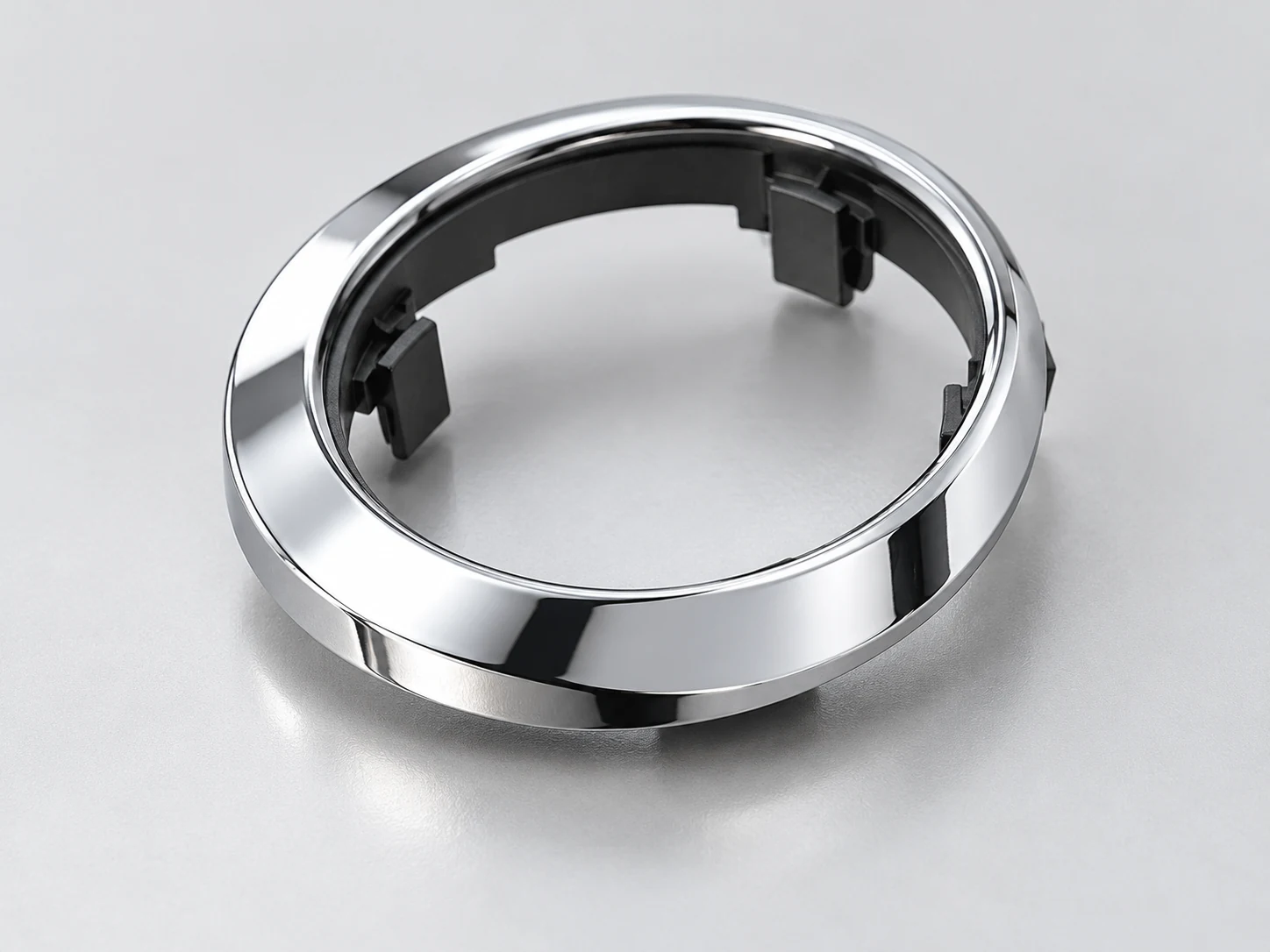
Chrome and gold are plating sub-options; require compatible grades, activation and a conductive base.
PVD coating
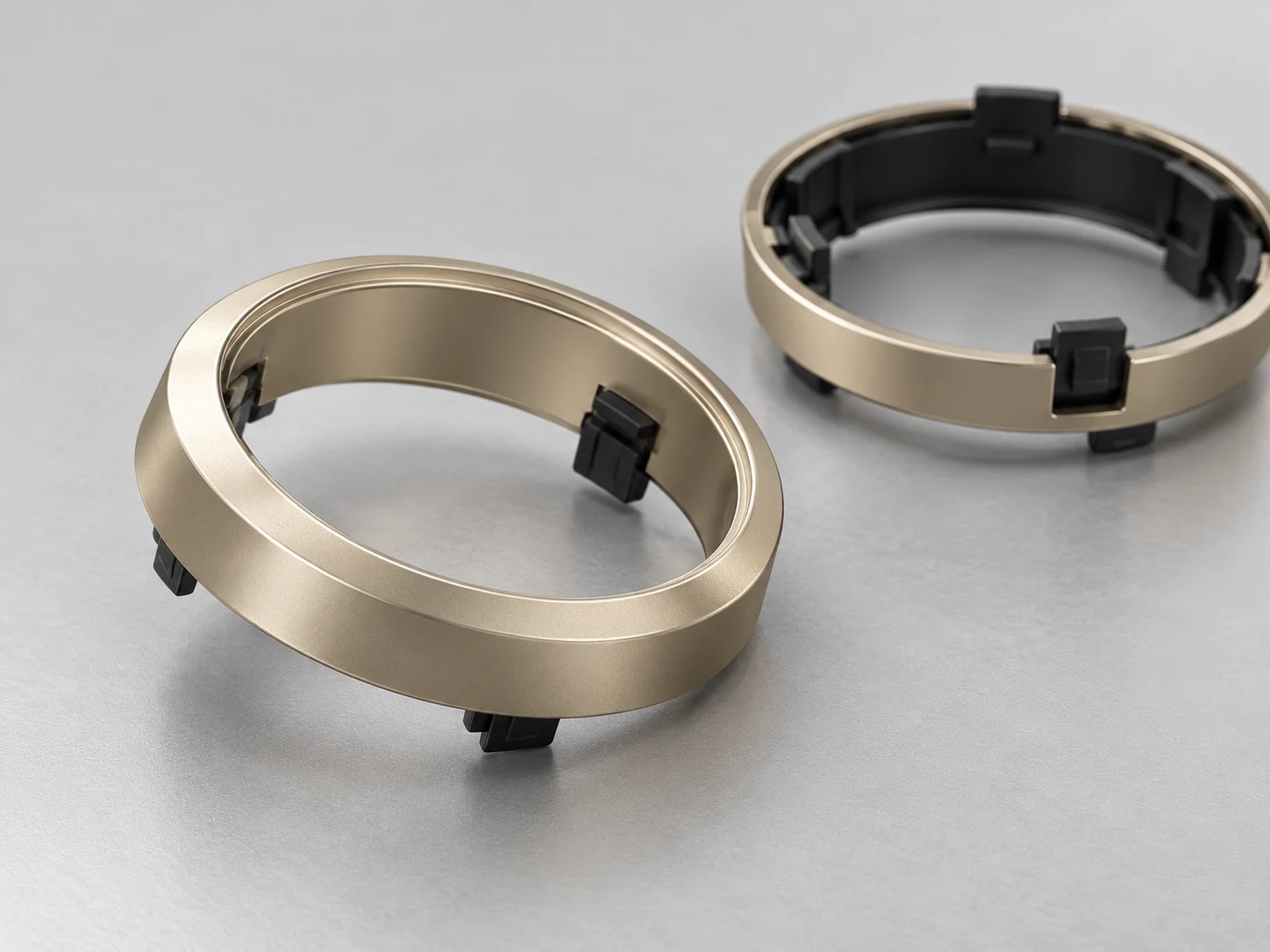
Part-side deposition; review substrate temperature limits, basecoat and adhesion.
Vacuum metallization
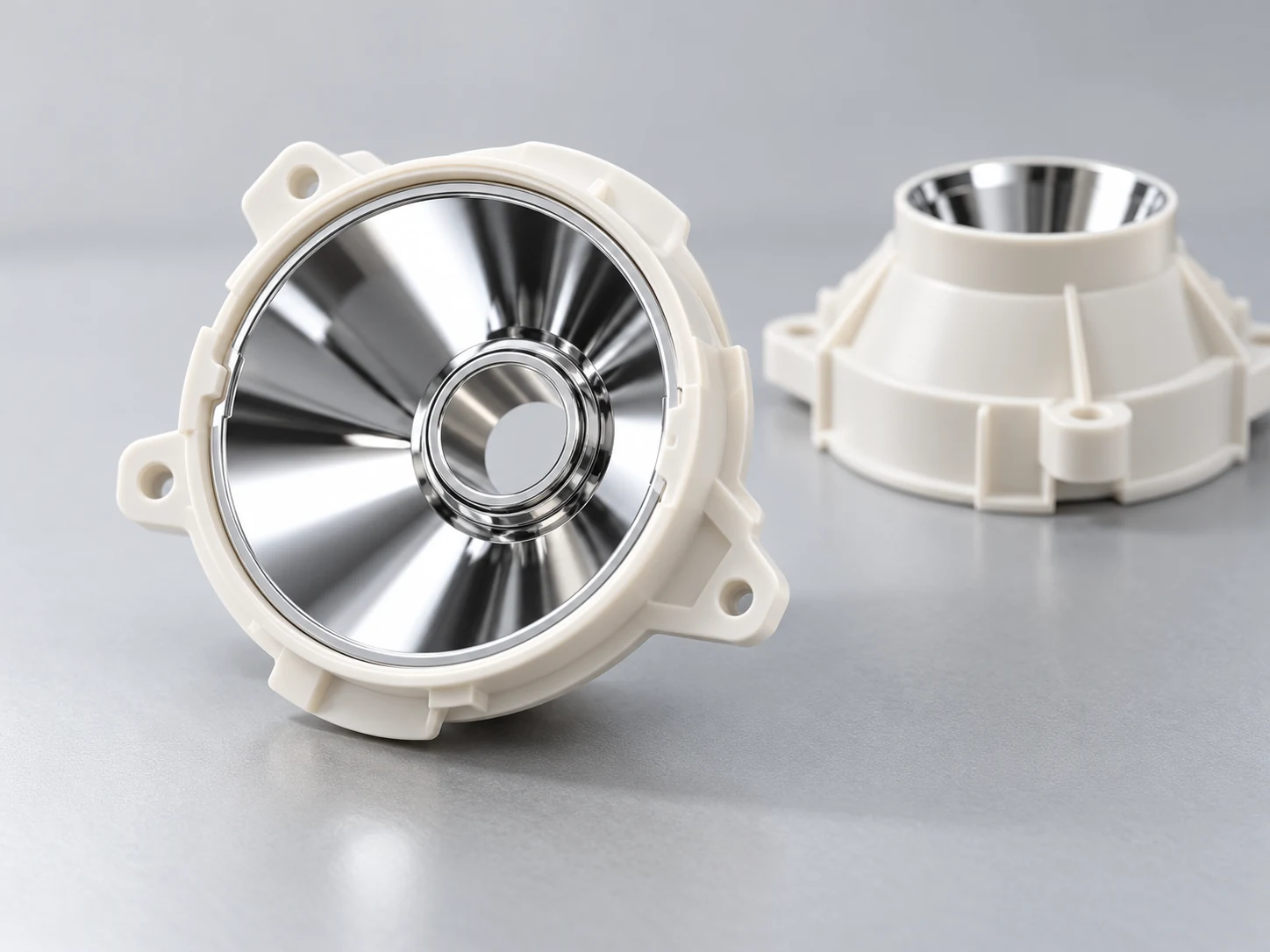
Metallic deposition; may overlap PVD terminology—specify the method and coating stack.
EMI / RFI shielding coatings
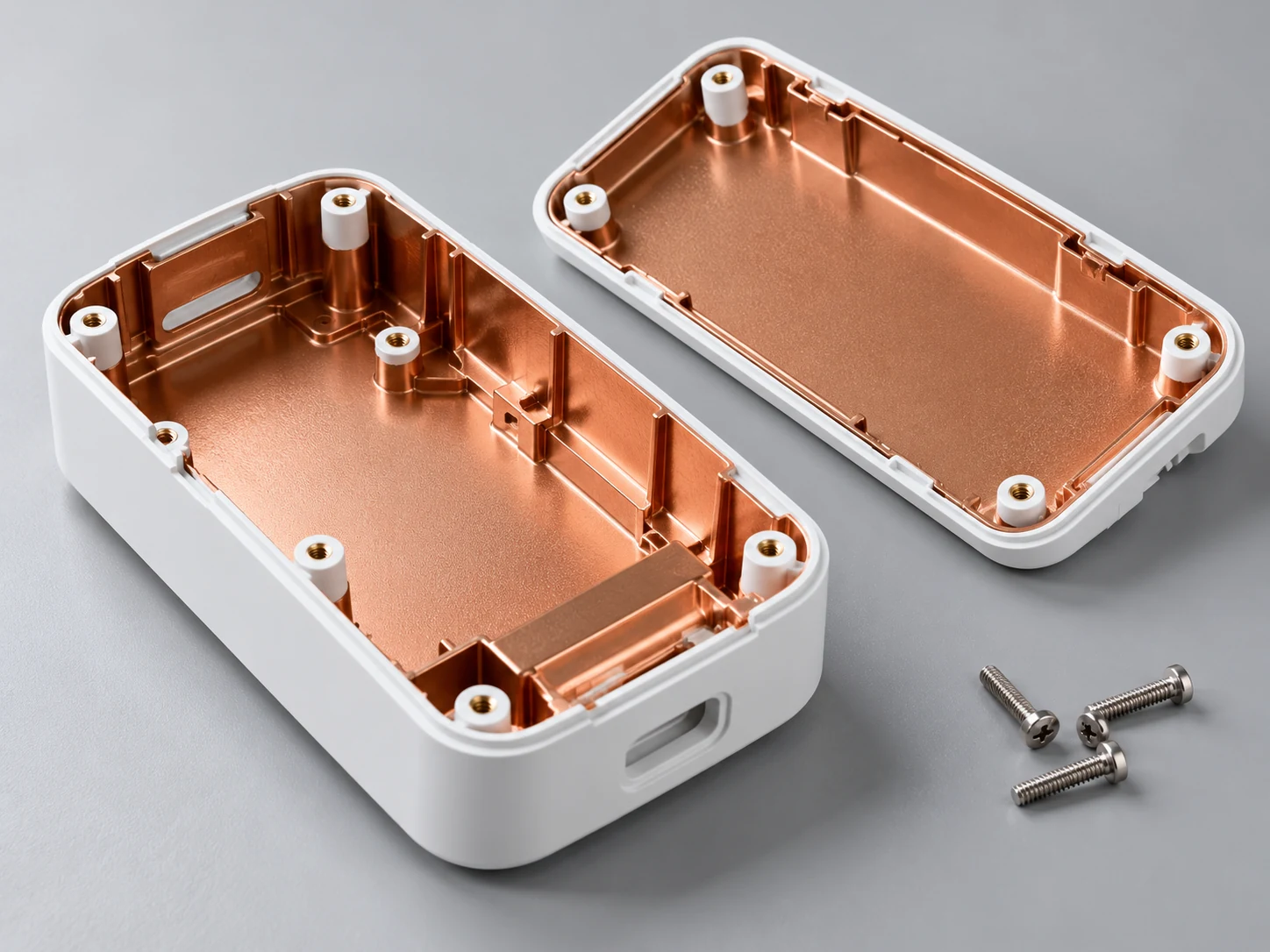
Functional treatment; validate conductivity, contact zones and shielding requirements.
Tool protection treatments
Mold DLC coating
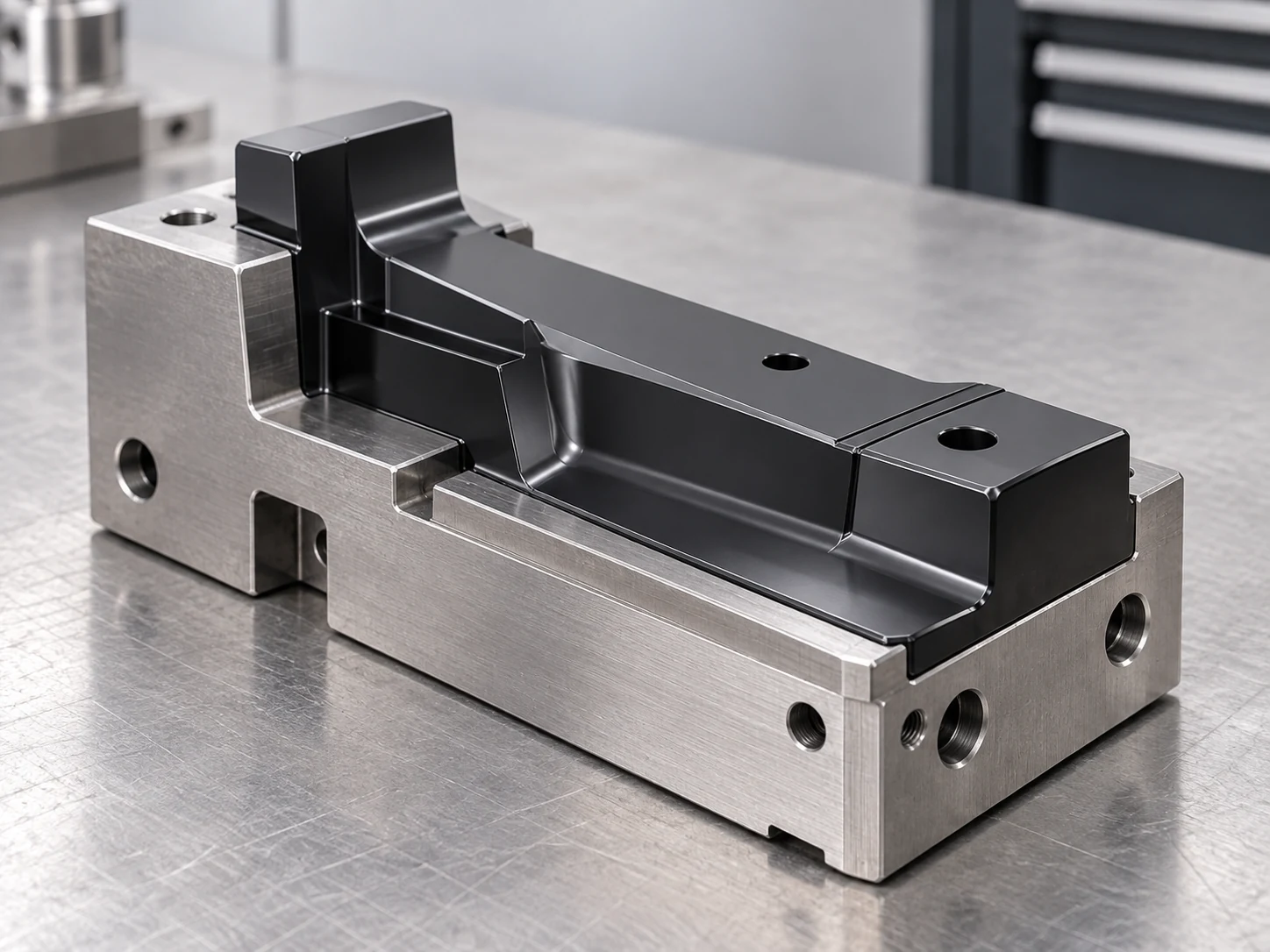
Applied to the tool surface; review wear, friction and molding requirements.
Applies to suitable steel tooling
Mold hard chrome
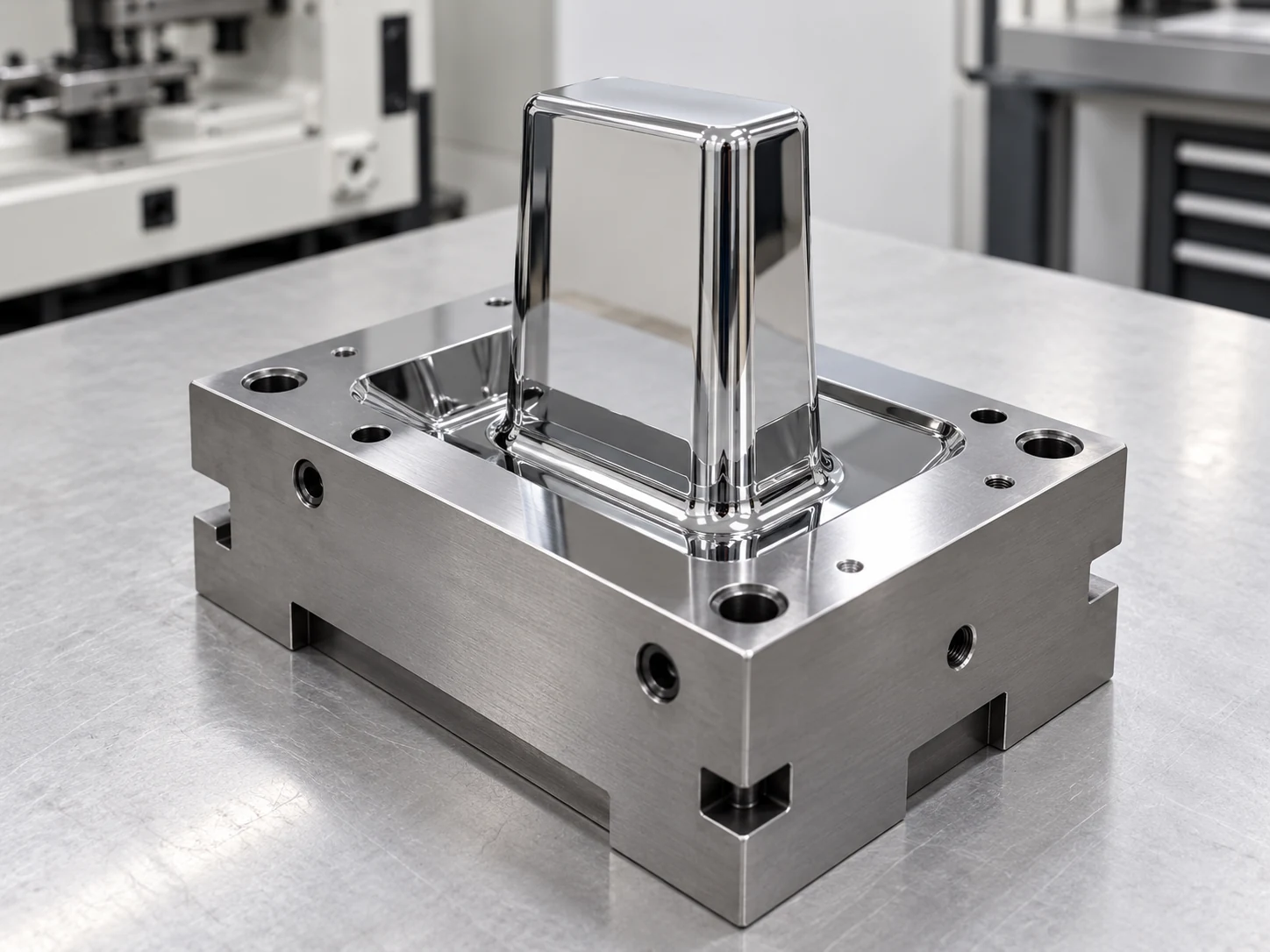
Tool protection; specify separately from decorative chrome on plastic parts.
Applies to suitable steel tooling
Mold PVD coating
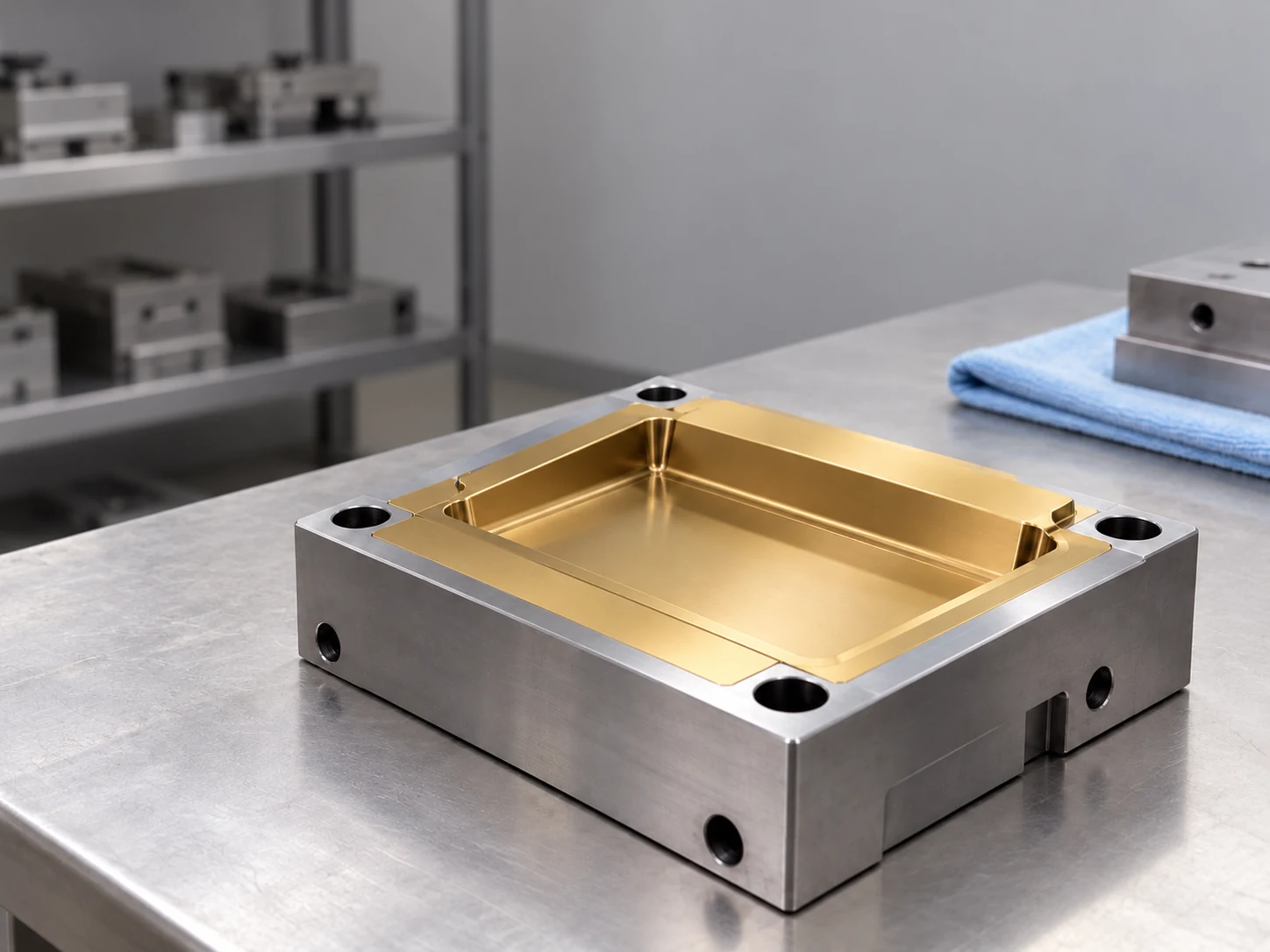
Applied to tooling; select and inspect separately from part-side PVD.
Applies to suitable steel tooling
Mold nitriding
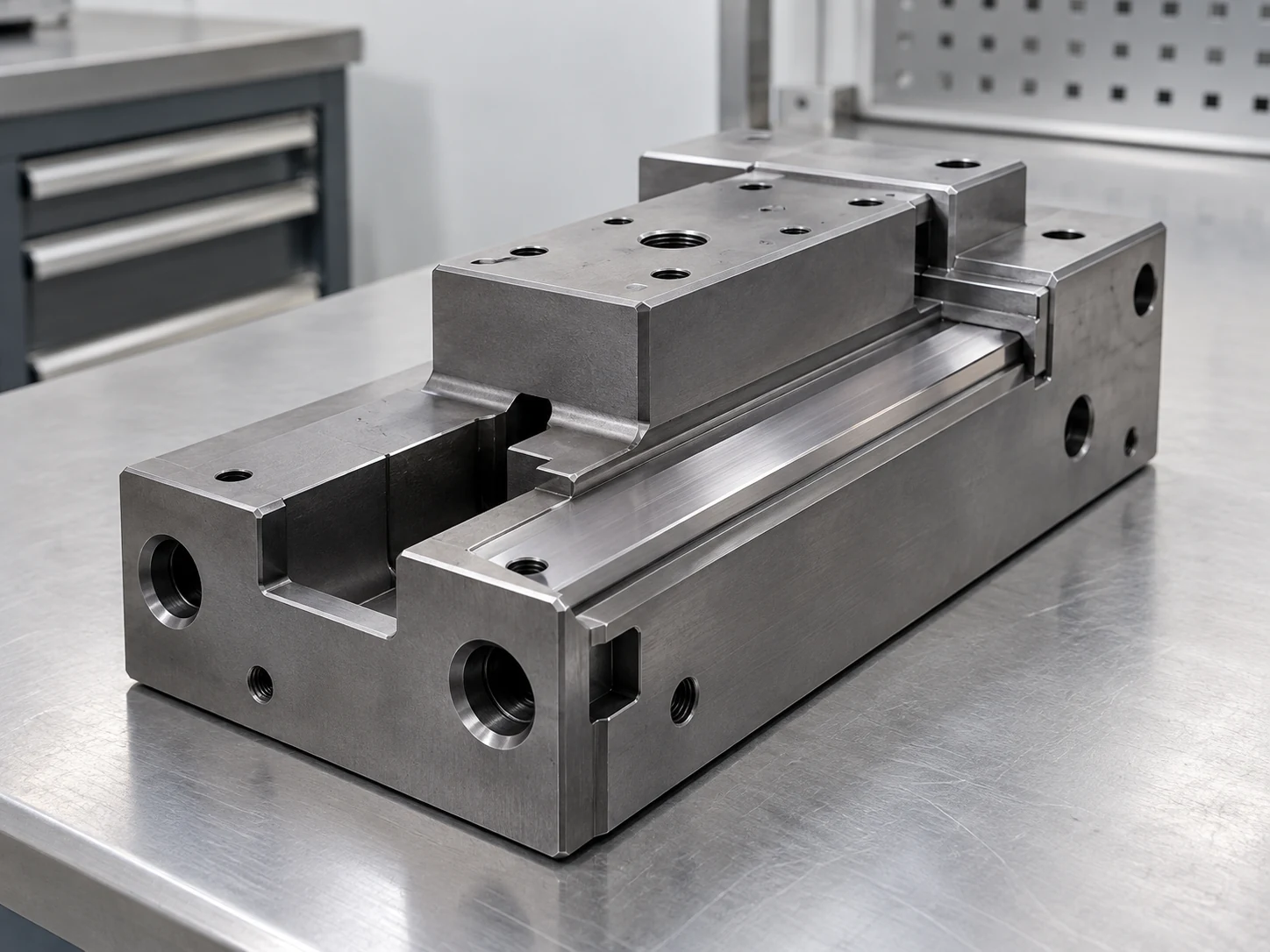
Treatment of mold steel, not nitriding of the plastic part.
Applies to suitable steel tooling
Related post-molding operations
Deburring / deflashing
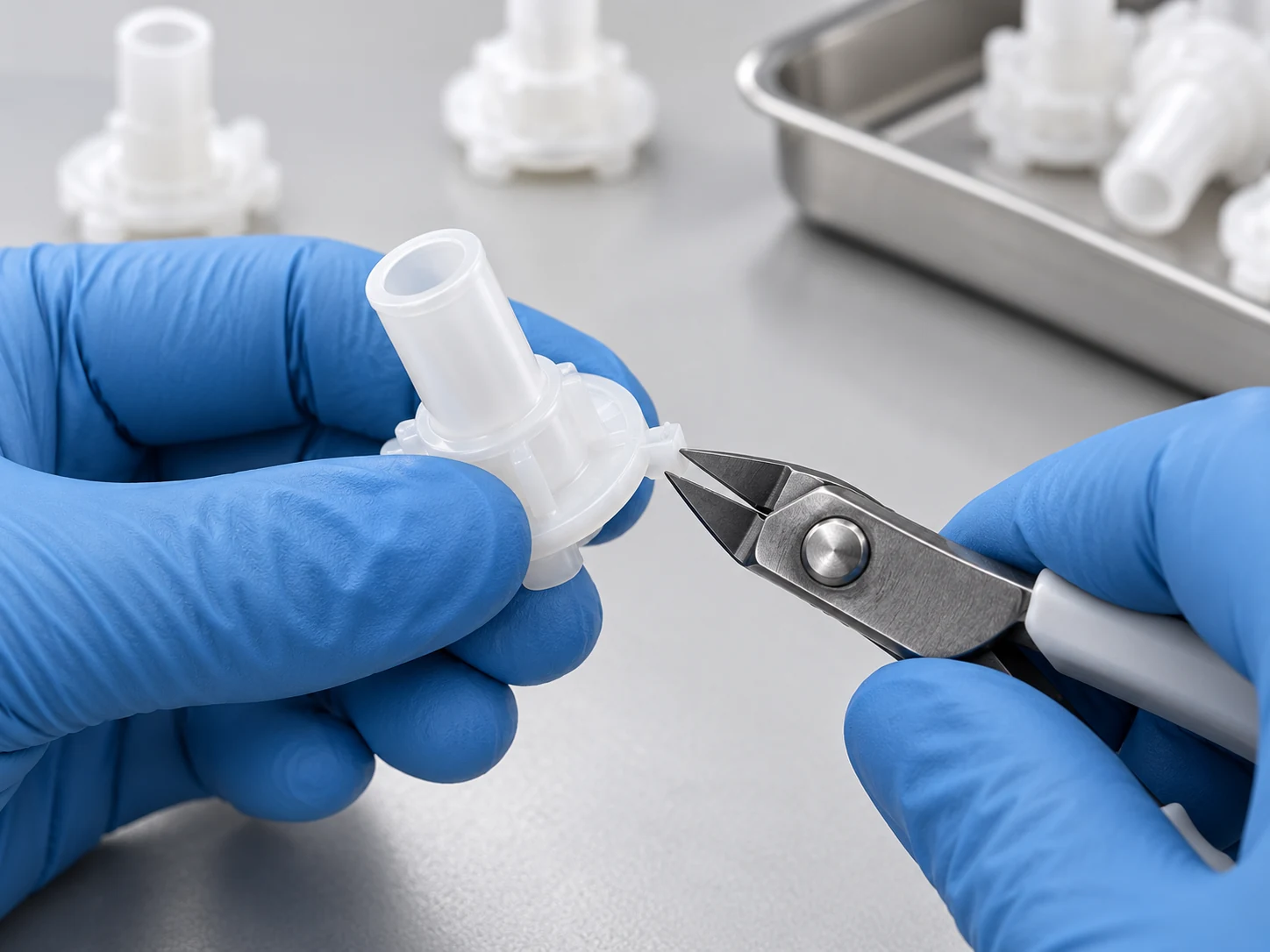
Trim gates, parting lines and edges with controlled material removal.
Annealing / stress relief
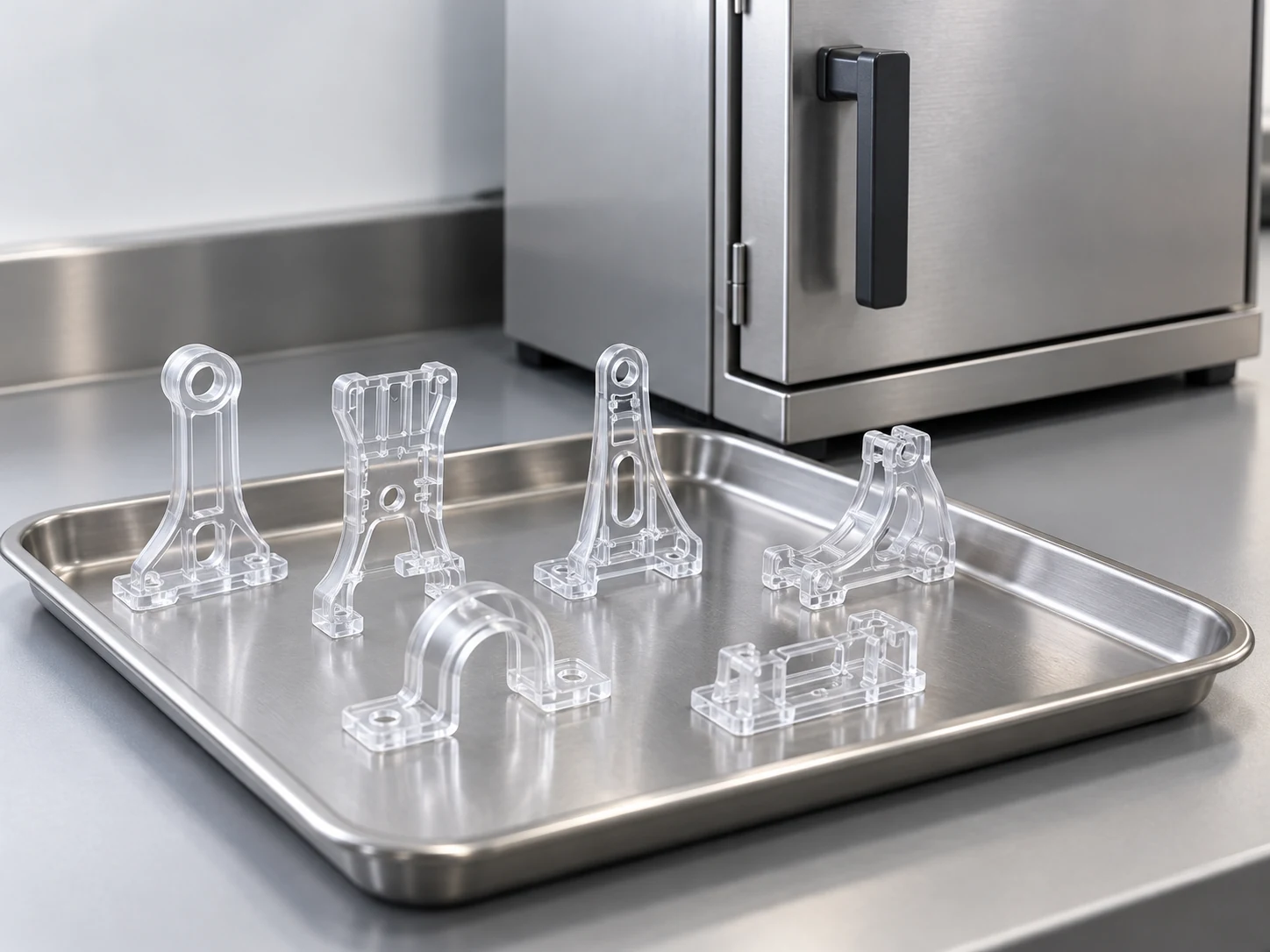
Dimensional/stress treatment; review resin, temperature and distortion risk.
Additional custom finishes · sample review
Soft-touch coating
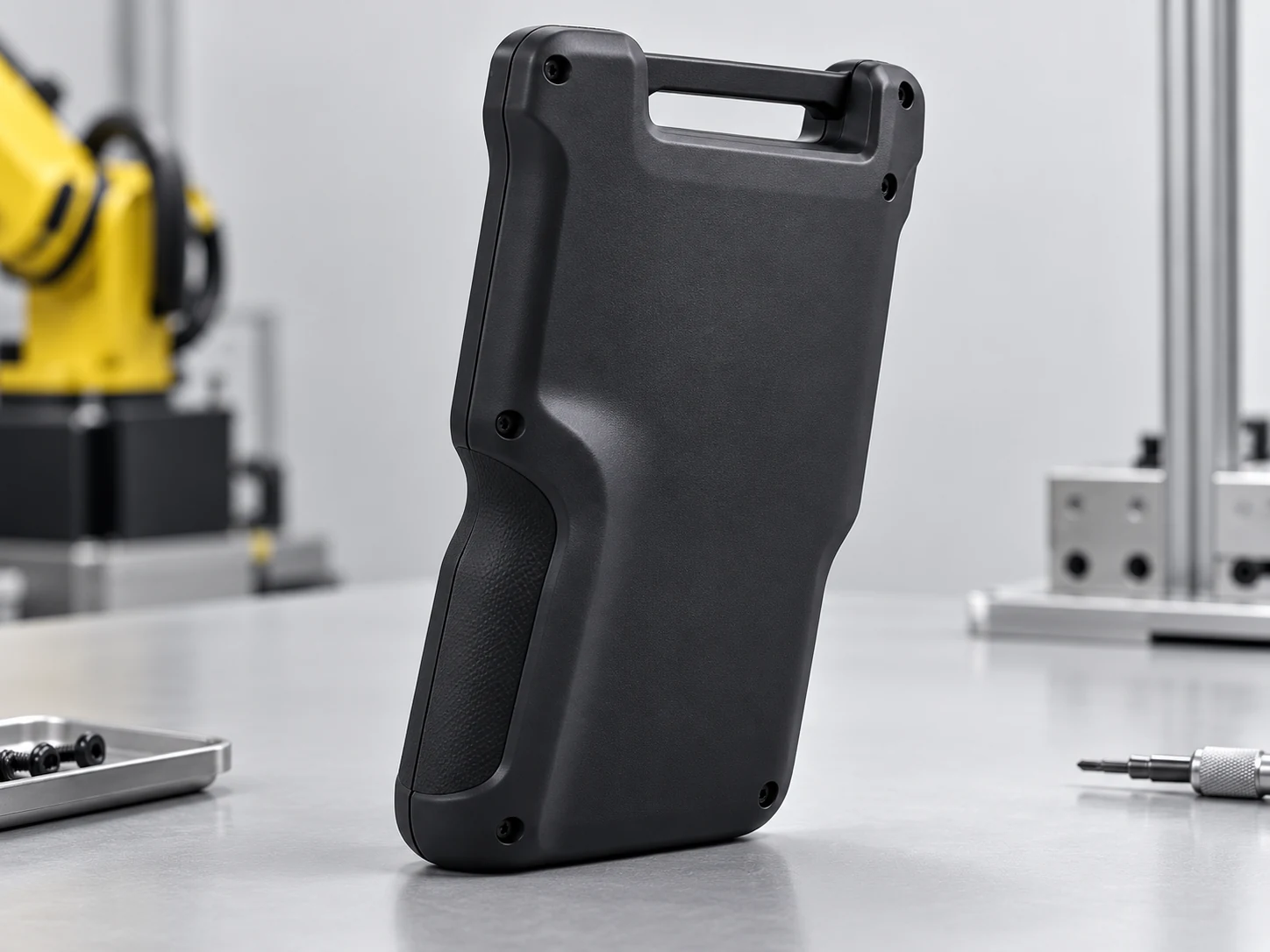
Tactile finish; confirm coating system, wear and chemical resistance.
Part polishing / abrasive blasting
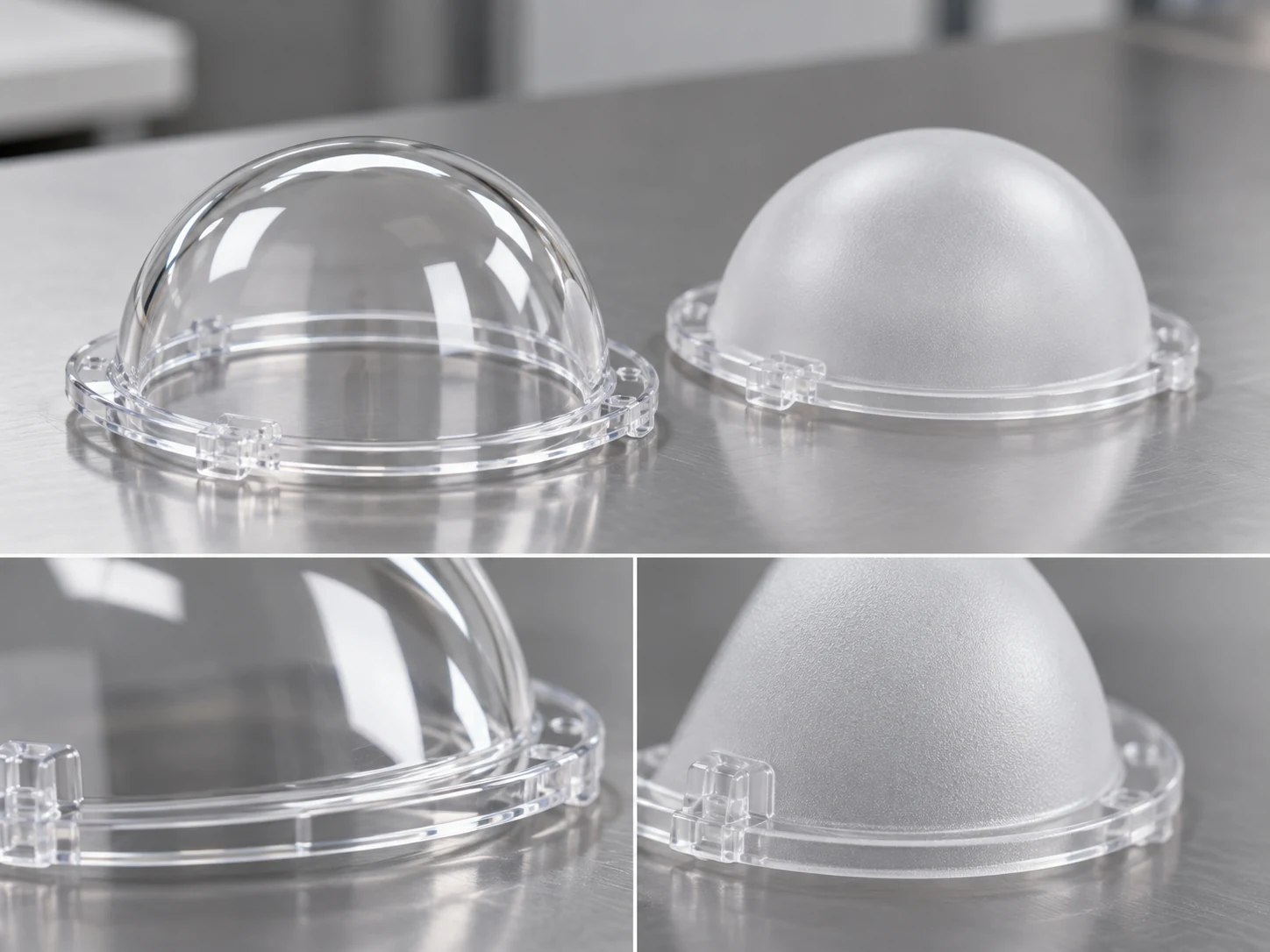
Direct treatment of the part requires resin, wall and sample review; distinguish from tool polishing/blasting.
Explore the full catalog, then select a route by material, manufacturing process and approved sample.
SIDE BY SIDE
Two directions. One clear view.
Compare appearance and process stage. Approve a physical sample for the final result.
Compare appearance directions, then define the result using your material and approved sample.
02 — WHY PLASTICHUBS
Connect material, tooling, and finish.
Define appearance early
Bring cosmetic faces, texture, and marking locations into the part review before details become costly to change.
Coordinate the process
Use group manufacturing and technical support to connect resin selection, tooling, and secondary operations.
Align around a sample
Agree on color, gloss, cosmetic zones, and acceptance conditions before production planning.
03 — MATERIAL FIT
Match the finish to the plastic and process.
Switch application priorities to explore finish targets and the information to confirm.
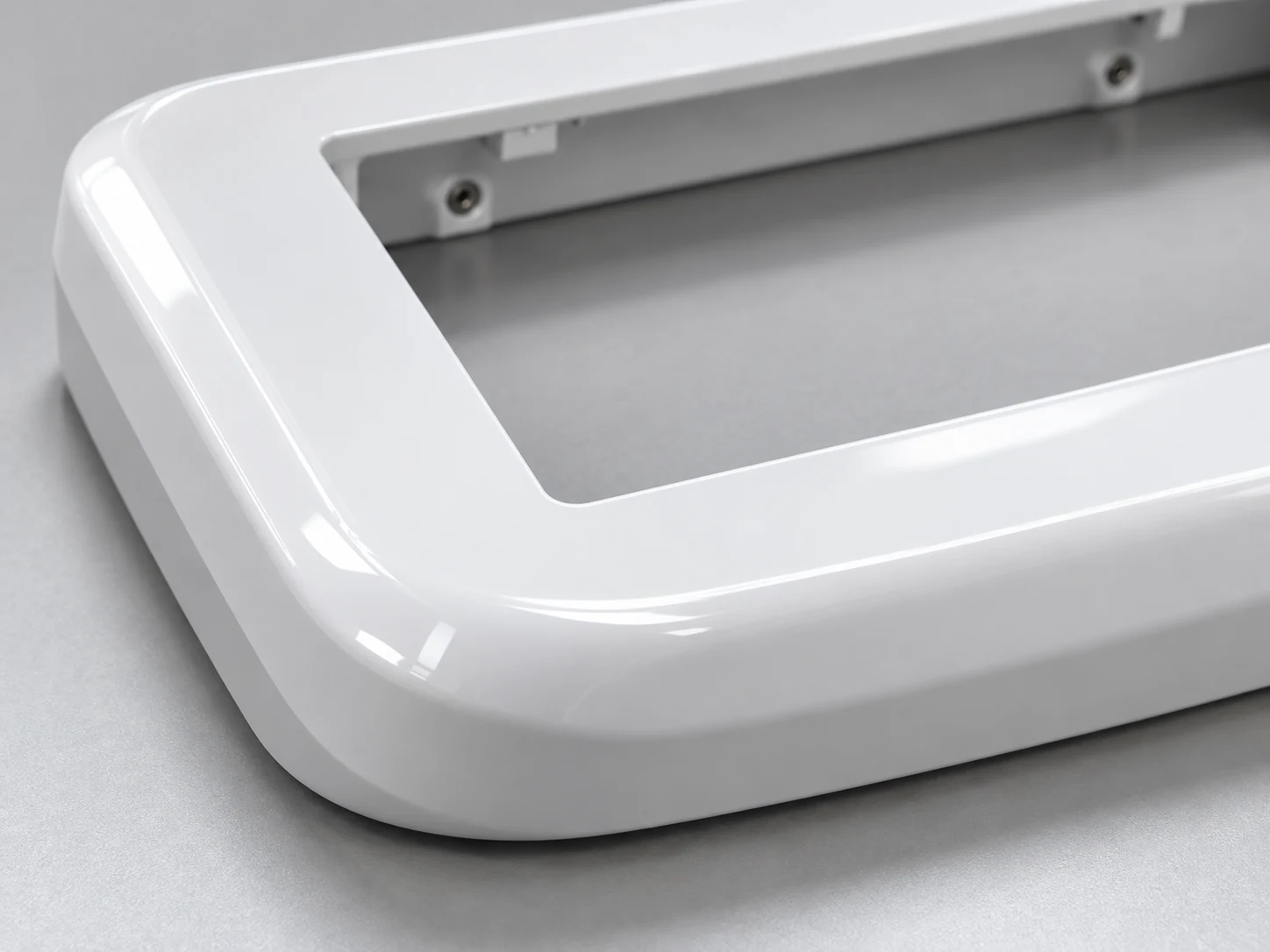
ABS / PC-ABS: appearance and decoration
Define color, gloss, texture and marking locations together for robot covers and instrument panels. Exact grade, fillers, base color and molding conditions all affect appearance.
Specify: exact grade → cosmetic zones → target sample → decoration and adhesion validation.
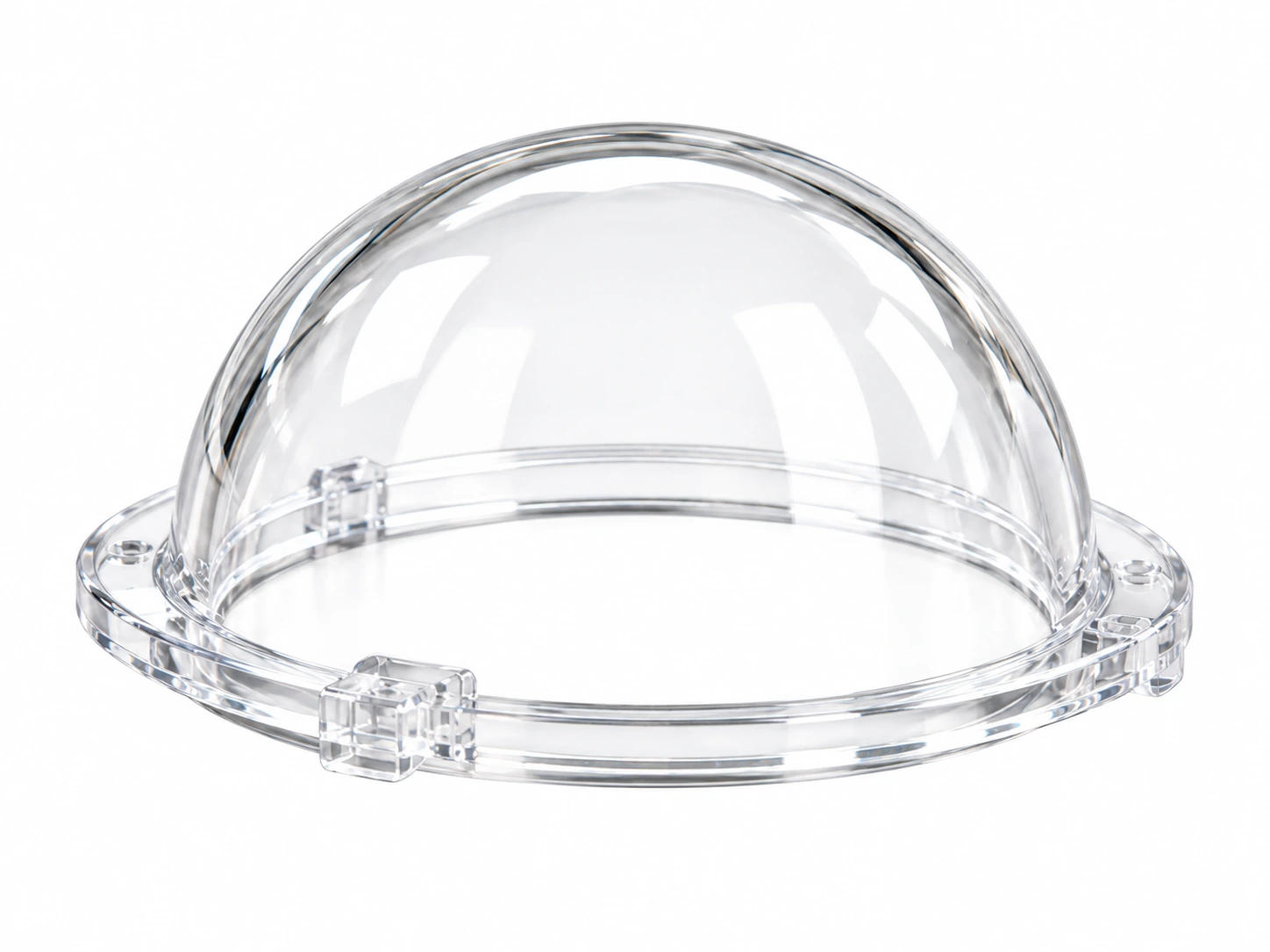
PC / PMMA: review clarity separately
Distinguish transmission, haze, surface scratches and assembly zones on clear covers. A polymer name is not an optical-performance specification; direct polishing or coating also needs grade and sample review.
Specify window zones, allowed defects, optical needs and the effect of treatment on size and appearance.
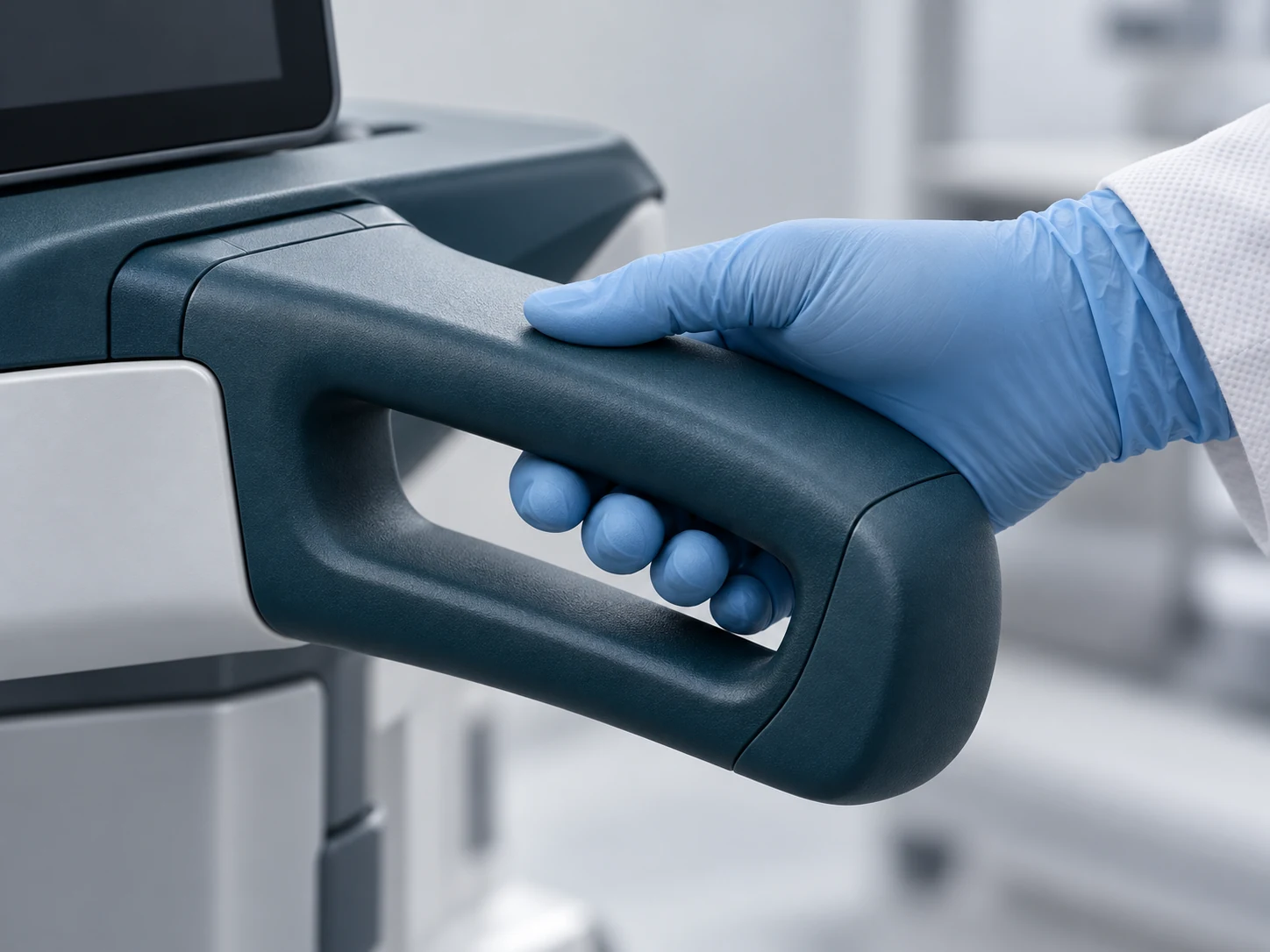
Cast PU: confirm the resin and surface condition
Silicone-mold casting commonly uses polyurethane resin. Review painting and printing against the exact grade, cure state and mold release. An ABS-like casting resin does not automatically use the same finishing conditions as injection-molded ABS.
Review: exact grade → surface cleanliness → preparation and cure → adhesion on the actual part.
04 — SPECIFICATIONS & DFM
Make the specification visible on the part.
Select a design checkpoint to see the corresponding visual and specification.
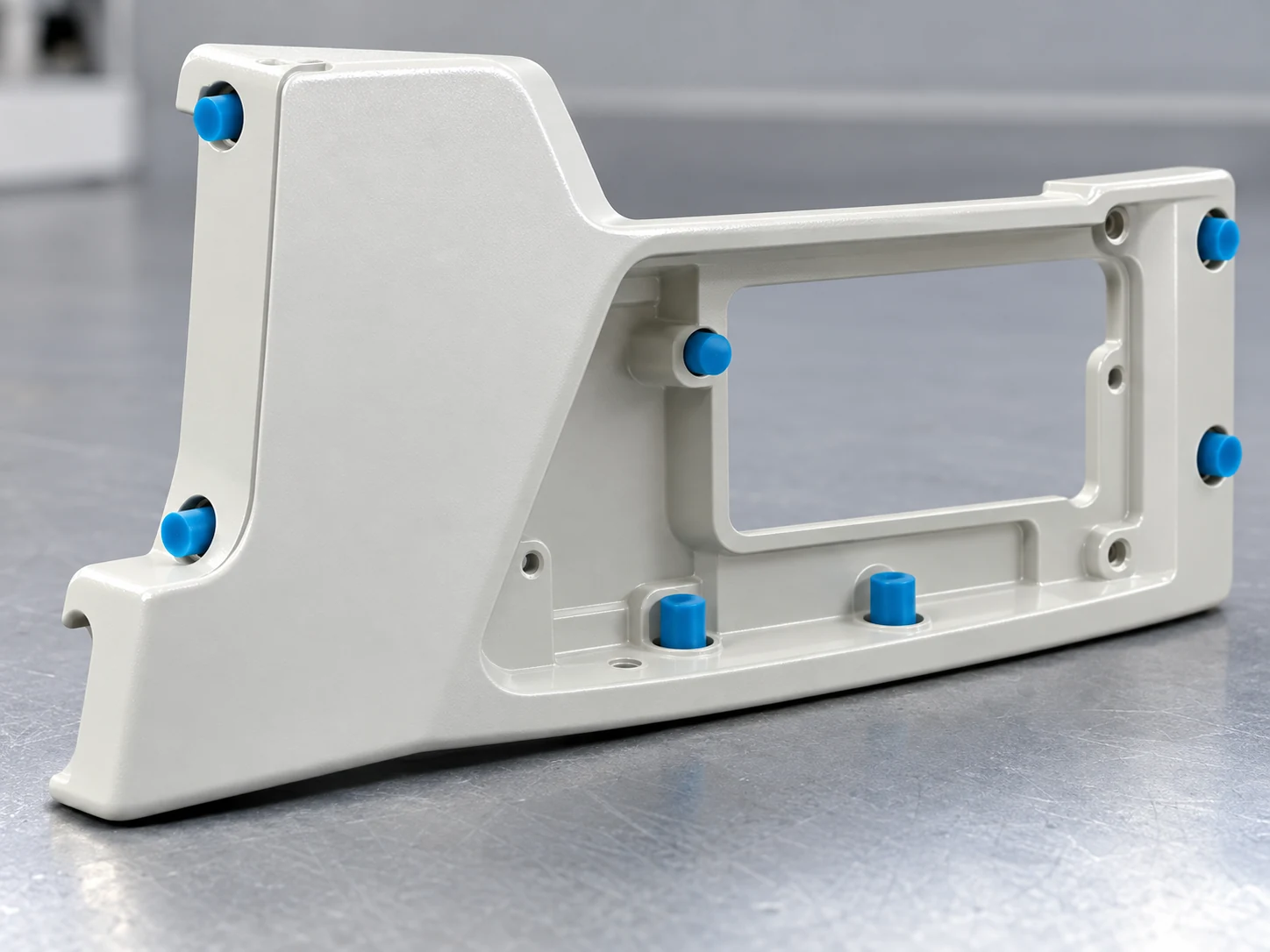
Define cosmetic and assembly surfaces separately
Identify primary cosmetic faces, secondary faces and hidden areas on the drawing. Review texture against release direction and the appearance impact of gates, parting lines and ejectors.
Deliverable: cosmetic-zone drawing + SPI grade, texture code or approved sample.
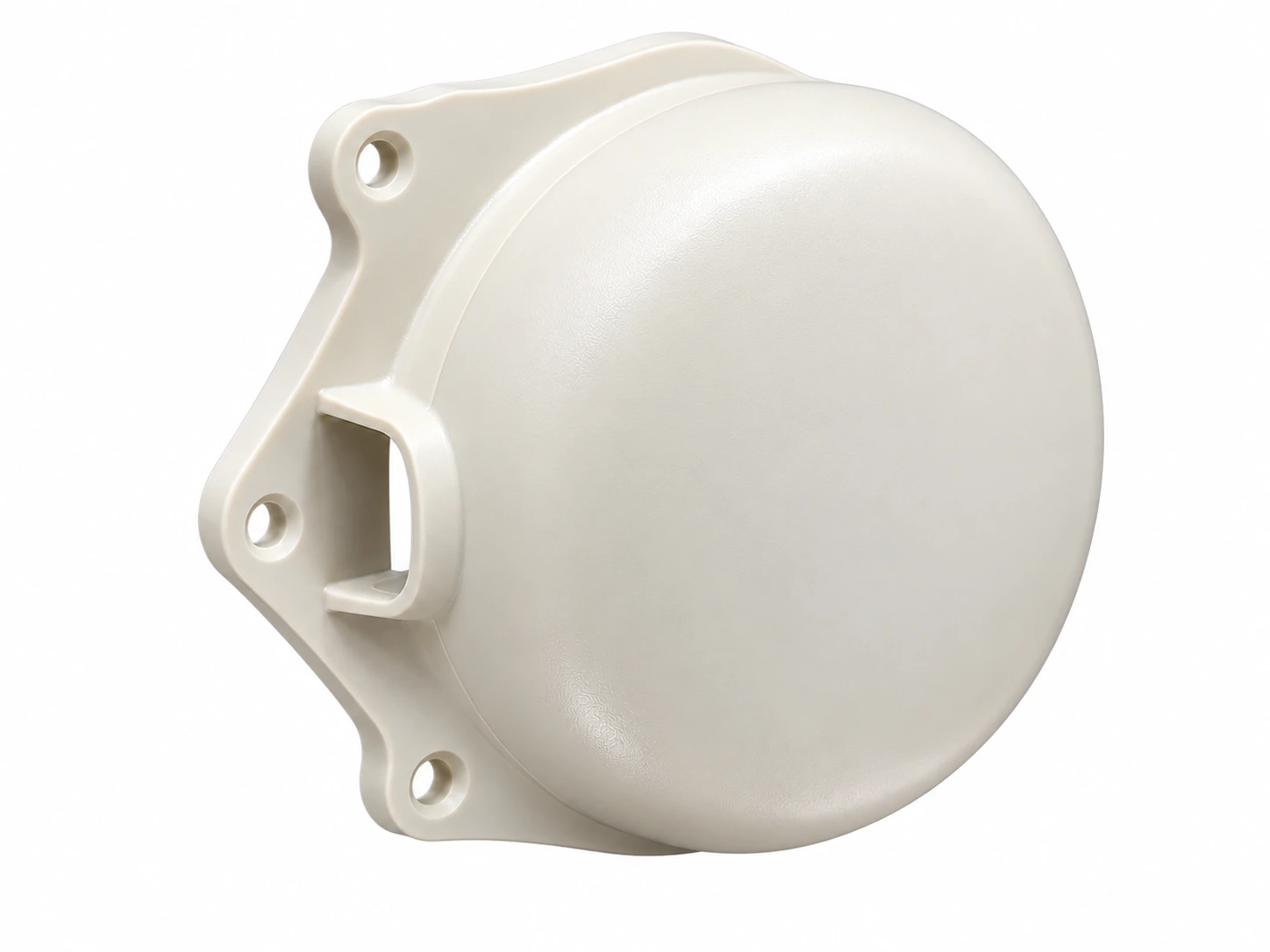
Give artwork a defined location
Dimension artwork position and orientation from a part datum. Supply vector artwork, color references and actual size. Check printing access and avoid assembly edges and abrupt curvature changes.
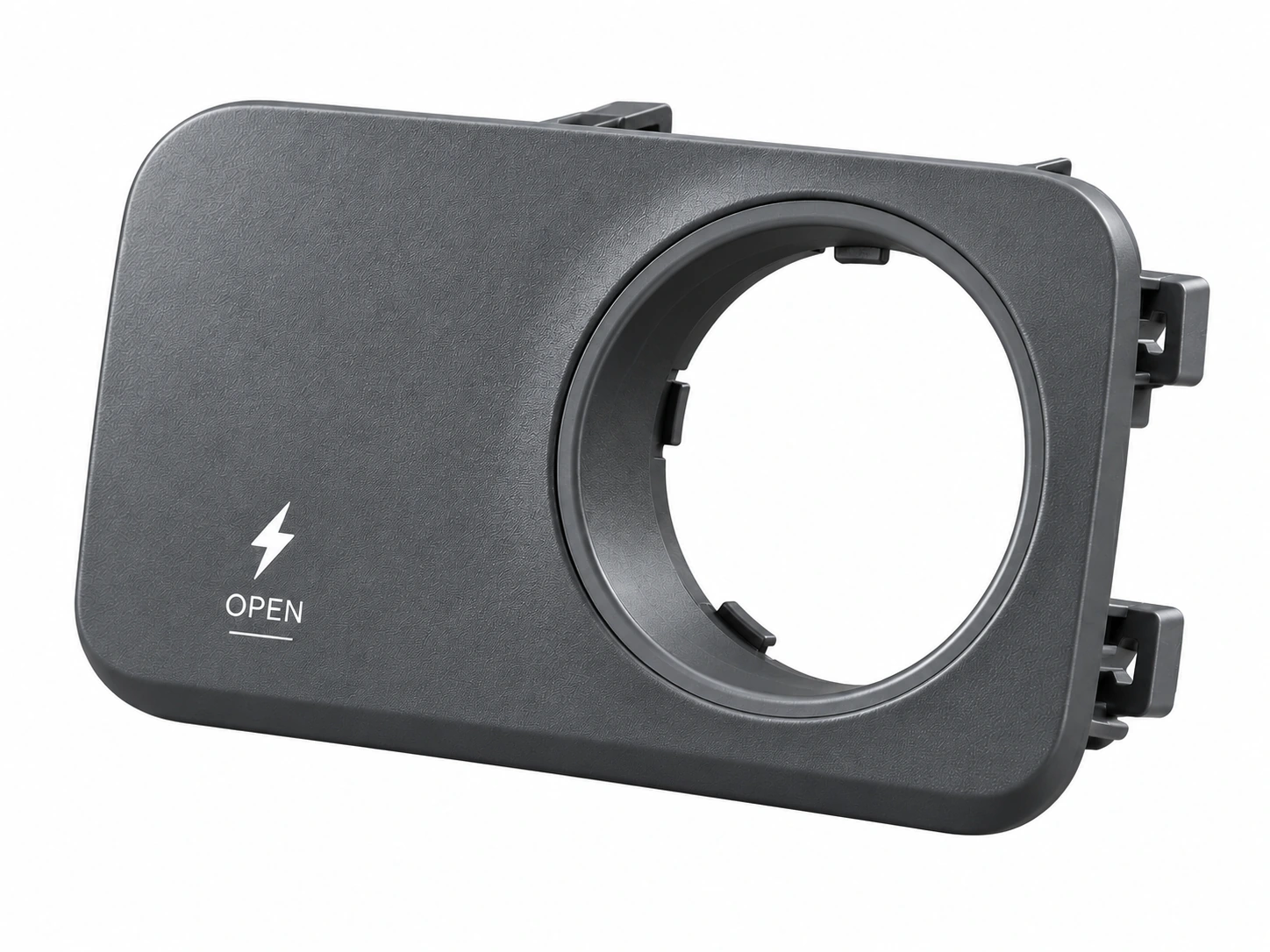
Define finishing boundaries around assembly
Identify threads, sealing faces, clips, mating surfaces and no-coat zones. Review coating build against assembly requirements and include masking boundaries in sample approval.
Deliverable: masking zones, critical dimensions and acceptable boundary locations.
05 — QUALITY CONTROL
Before sample approval, check each requirement.
Photos support appearance discussions; inspection conditions and performance requirements need separate agreement. Open each card to see the checks.
Sample and viewing conditions
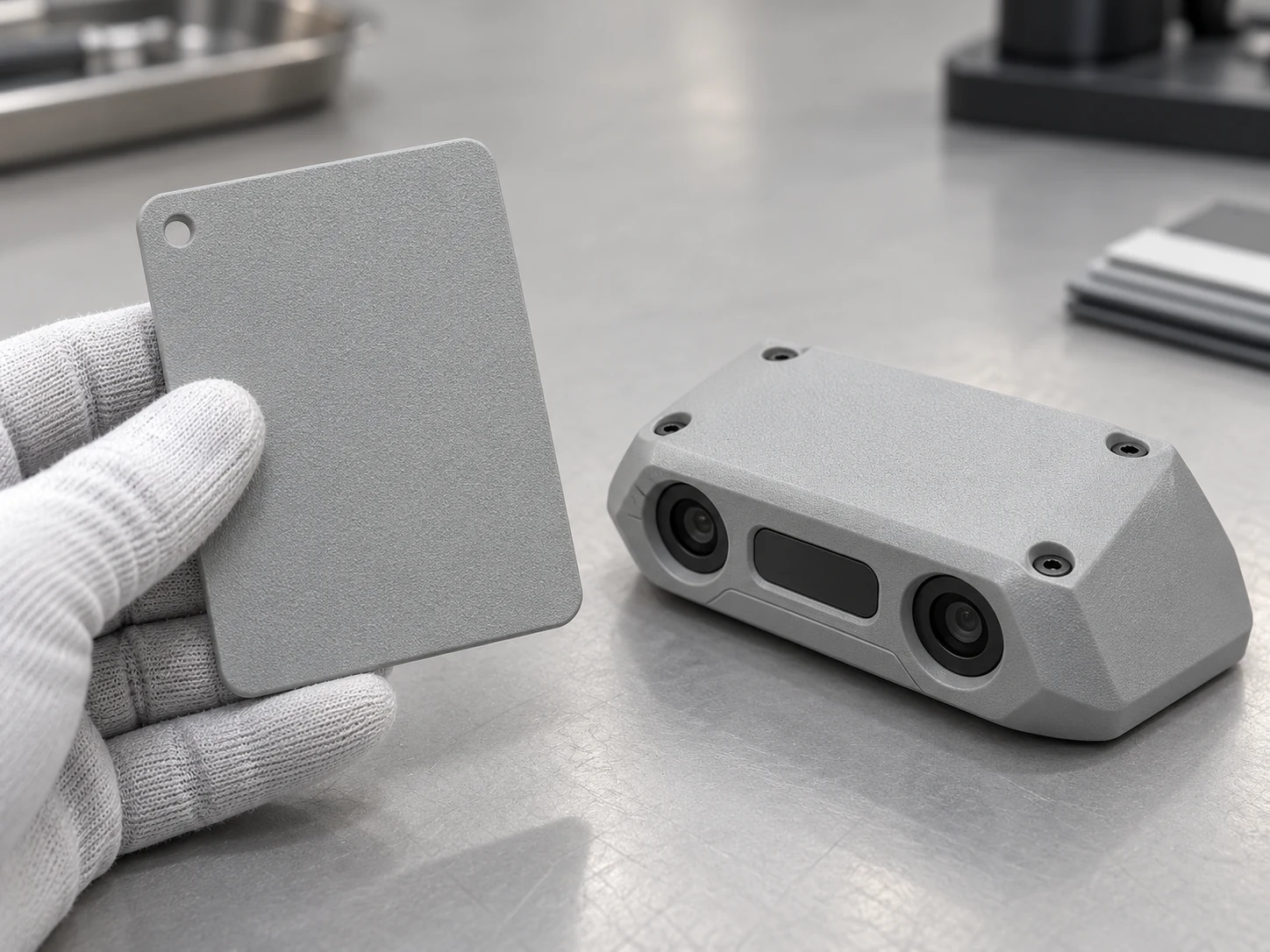
Agree on lighting, viewing distance, cosmetic zones and allowed variation.
Graphics and appearance
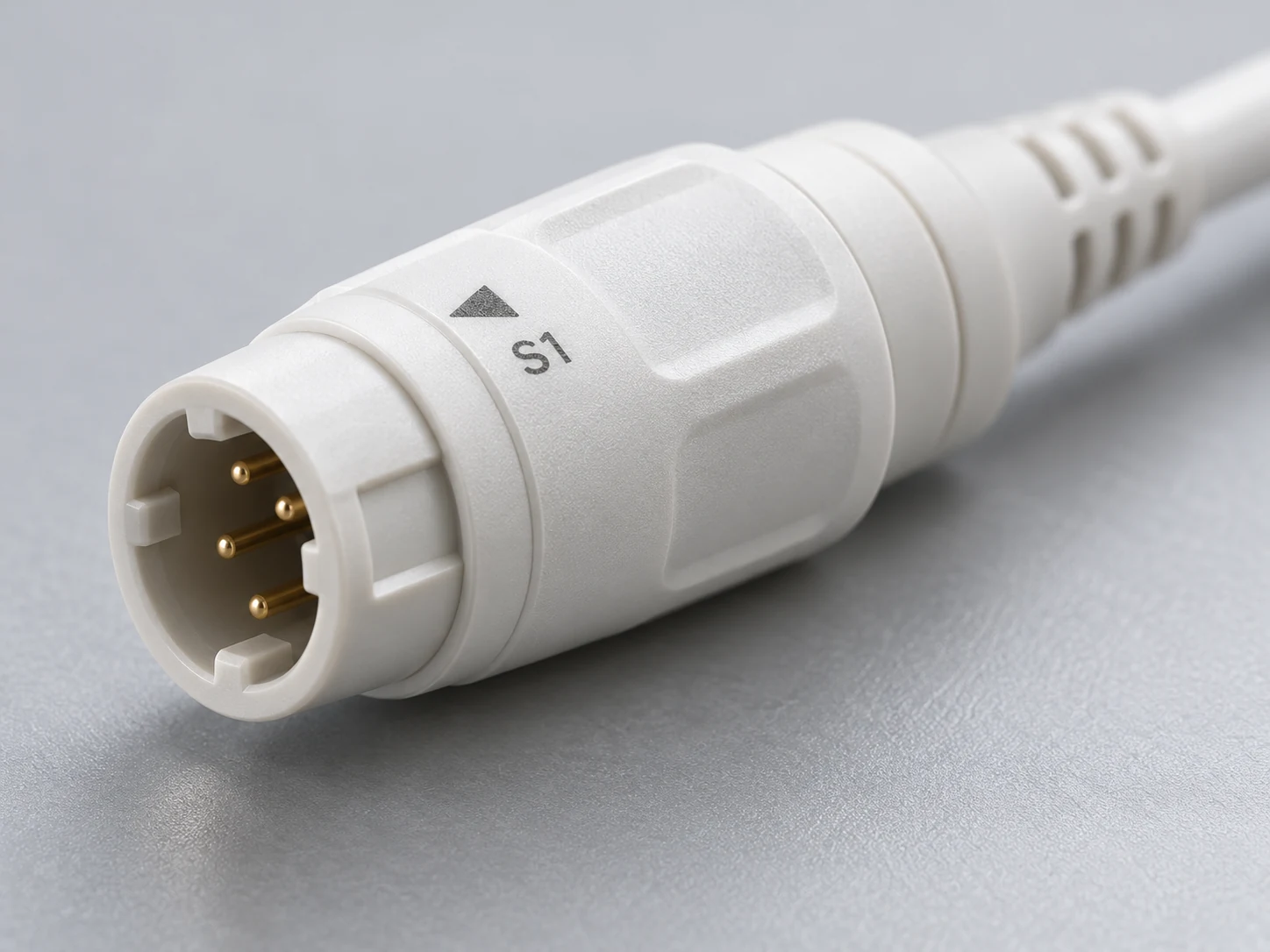
Check color, gloss, texture, graphic edges, missing print and position.
Dimensions and use
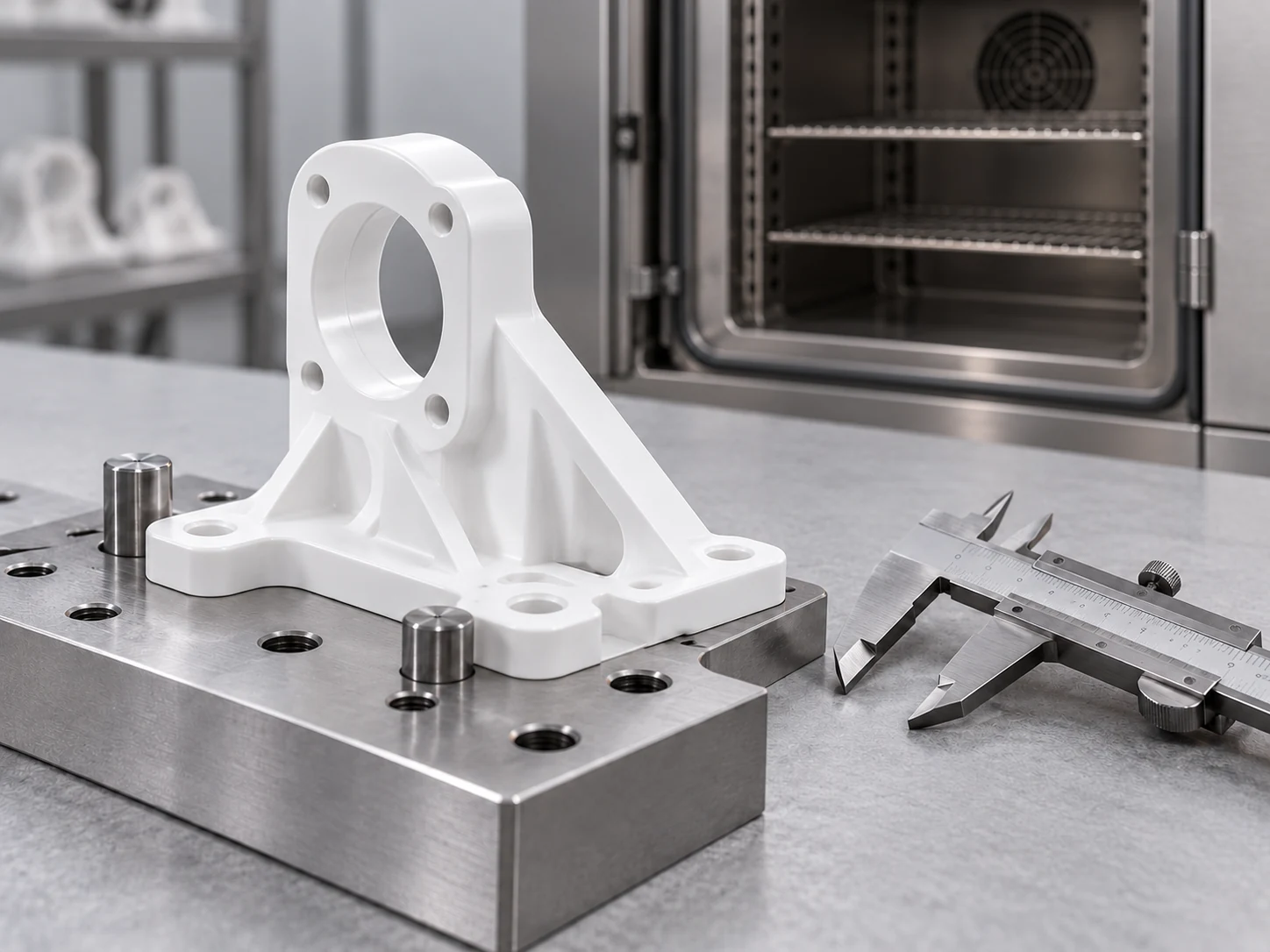
Review critical mating dimensions; agree on adhesion, wiping or contact-media checks for the project.
Build your acceptance checklist
Selections stay on this page; no information is submitted.
06 — SAMPLE TO PRODUCTION
From brief to delivery, make every handoff clear.
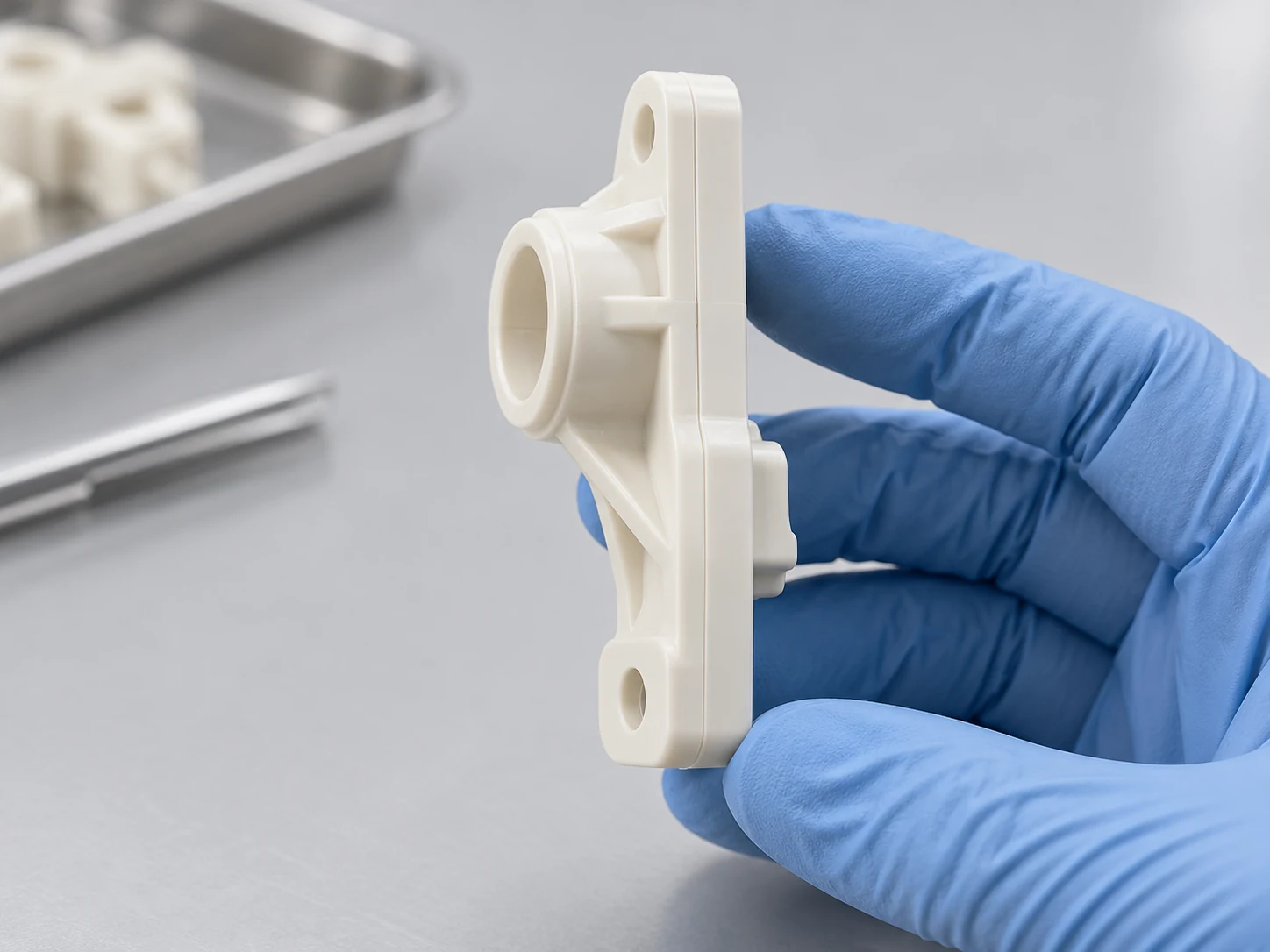
Bring material, quantity and appearance together
Provide CAD/drawings, resin grade, quantity, colors or artwork, and target samples.
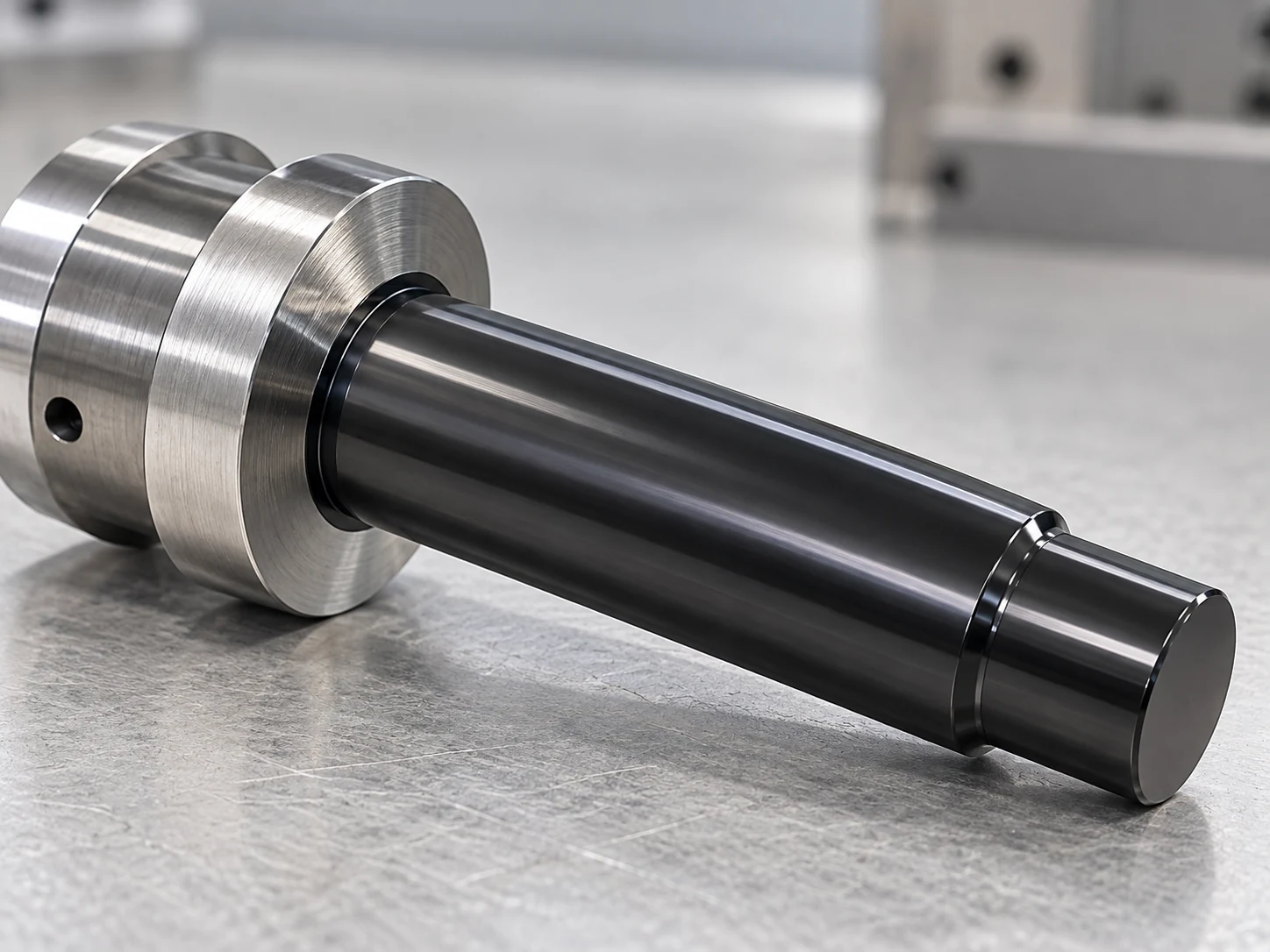
Confirm where finishing belongs in the route
Distinguish mold surfaces, post-mold decoration and tool protection. Review material, access, masking and process sequence.
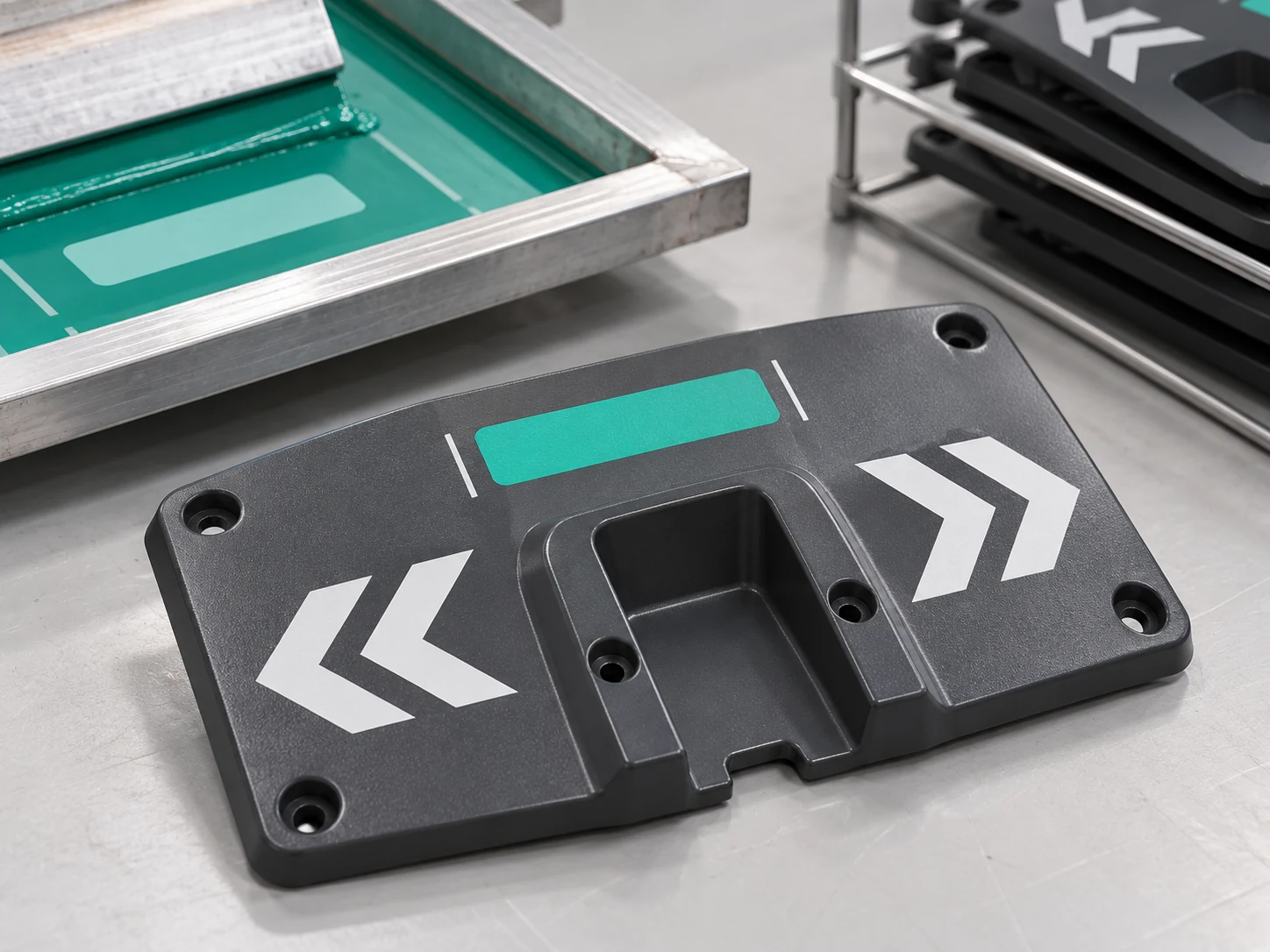
Align appearance and acceptance with one sample
Confirm appearance, artwork revision, location and acceptance conditions; revise and reapprove where needed.
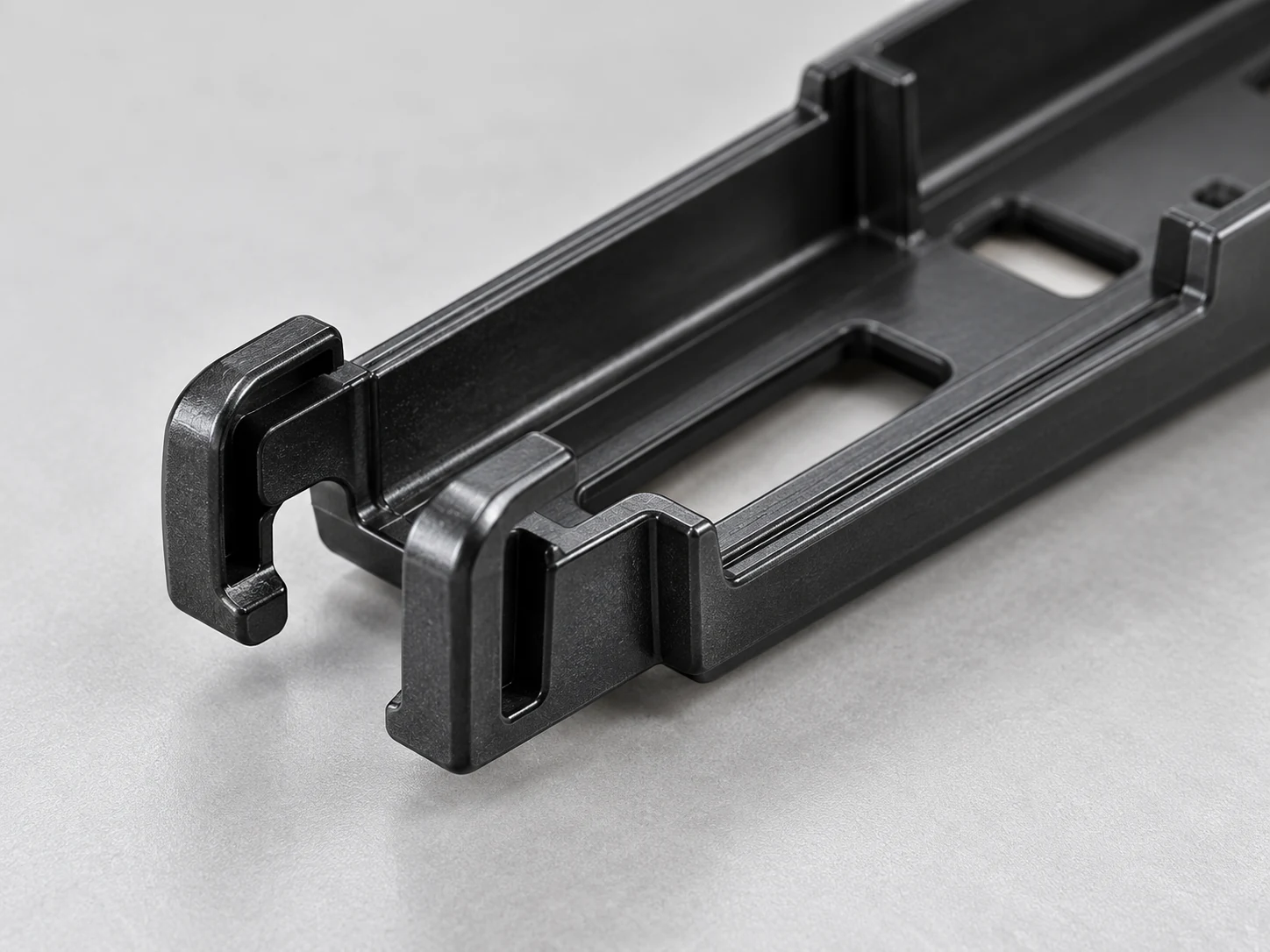
Carry approved requirements into inspection
Use approved revisions for production and inspection, check critical surfaces and dimensions, and define protective packaging for the part.
SURFACE FINISHING FAQ
Plastic Surface
Finishing FAQ
Processes, materials, and acceptance requirements to help you choose a finish for your part.
Do molded parts always need secondary finishing?
No. Mold-created gloss or texture may meet the requirement. Review secondary operations when additional color, graphics, or functions are needed.
Are injection-molded and urethane-cast finishes interchangeable?
No. Some painting, printing and metallization routes overlap, but the exact resin, cure state, preparation, ink and temperature conditions must be reviewed separately. Mold DLC, hard chrome, PVD and nitriding are treatments for suitable steel tooling, not silicone molds or plastic parts.
How does a mold finish differ from painting?
A mold finish influences the part during molding. Painting adds a coating afterward. Each requires its own specifications and controls.
How should I specify a grade or texture?
Provide the appearance target, resin, and cosmetic zones. Use a grade, texture code, and approved sample; a photo is not precise roughness evidence.
Why can the finish vary across resins?
Grade, fillers, color, and molding conditions affect surface reproduction and reflection. The same tooling request need not produce an identical appearance.
Can one part combine finishes?
Combinations can be evaluated, subject to process sequence, masking, material, and fit requirements.
Can finishing affect dimensions or assembly?
Some treatments alter surfaces or add a coating. Identify critical dimensions, mating faces, threads, and no-treatment zones early.
What is needed for a quote?
Provide CAD or drawings, resin grade, quantity, finish references, colors, artwork, cosmetic zones, and acceptance requirements.
Start Your Plastic Finishing Project
Share your CAD, material, quantity, and finish requirements. Our team will review your project and prepare a quote.
Request a Quote