


01
Prototype & Bridge Production
Check clarity, fit and appearance with molded samples, then bridge into production as the design settles. Plan tooling around design-change risk and expected demand.
Built for production.
Take your design from tooling to repeat production of custom plastic parts.
Manufacturing Capabilities
Plastic Injection MoldingCustom plastic parts for production Tooling & Design SupportPrepare your part design for tooling High-Volume ProductionPlan repeat runs around your delivery needsMaterials & Finishes
Made for smaller runs.
Produce resin parts with silicone molds for design validation and small batches.
Small-Batch Capabilities
Vacuum CastingResin parts made with silicone moldsLow-Volume ProductionFrom trial parts to small-batch deliveryAppearance & Fit ChecksPrepare multiple parts for product checksMaterials & Finishes
Other Services
Machining, printing, and supporting services for specific part needs.
Materials & Finishes
Explore material performance and appearance options separately.
Explore Materials & Finishes
Injection Molding Materials
Choose molding materials for strength, heat resistance and appearance.
Manufacturing Knowledge
Find articles, answers, and case studies to help prepare your project.
Start with your part requirements.
Contact PlasticHubs for help with quotes, files, delivery, and orders.
Files, Orders & Delivery
Industries
Explore manufacturing options for your product application.
Start with your manufacturing needs
From tooling to production of plastic parts.
Small batches of resin parts made with silicone molds.
Start with your design, material, and quantity.
From clear display parts to impact-modified housings, bring material, geometry and appearance together. PlasticHubs provides DFM, tooling, sampling and production molding for custom polystyrene parts.
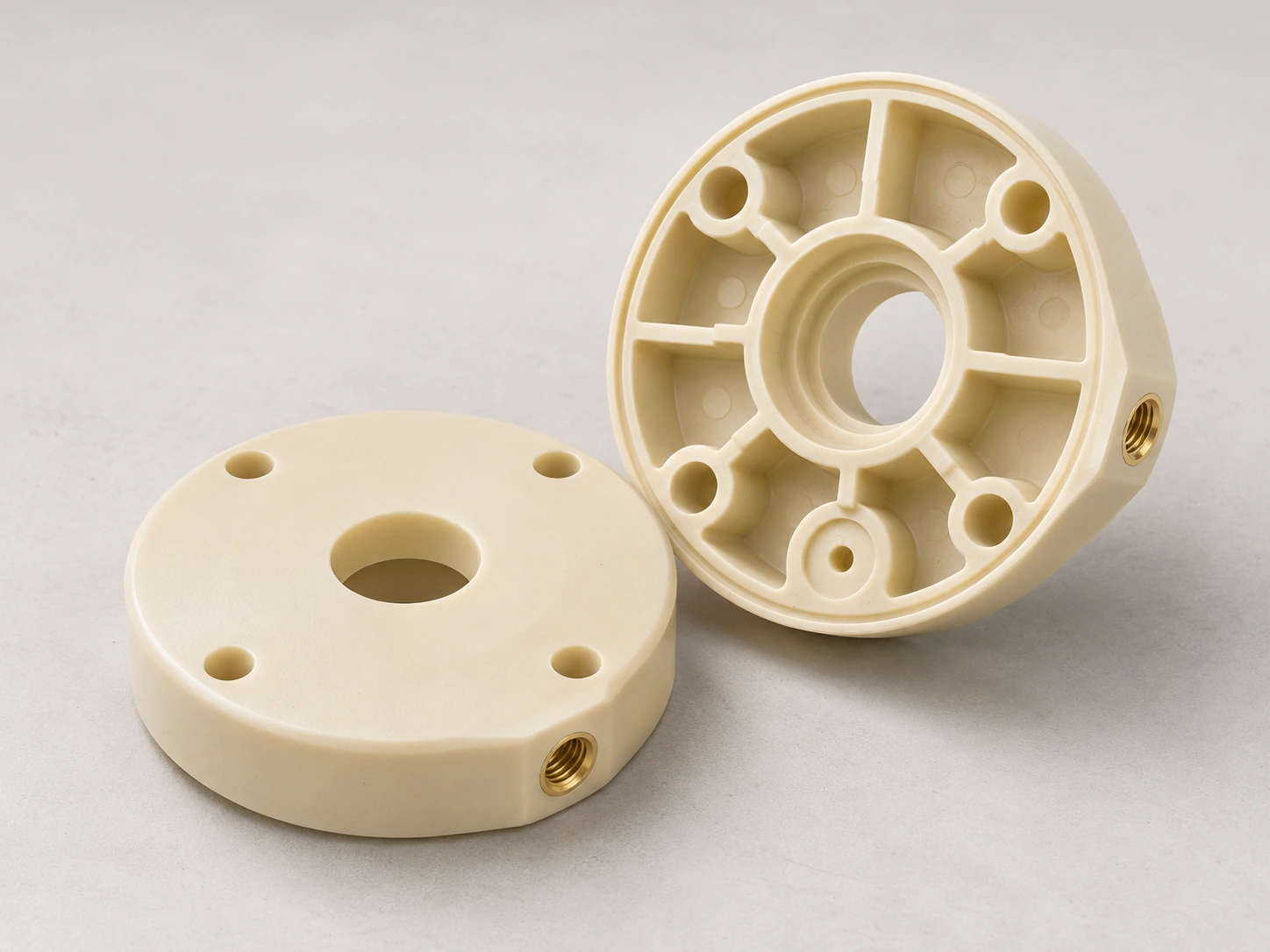
Tell us how the part will be used: clear visibility, everyday knocks or assembly with other components. These requirements guide GPPS or HIPS selection, the tooling approach and sample acceptance.
Discuss your project ↗Check clarity, fit and appearance with molded samples, then bridge into production as the design settles. Plan tooling around design-change risk and expected demand.
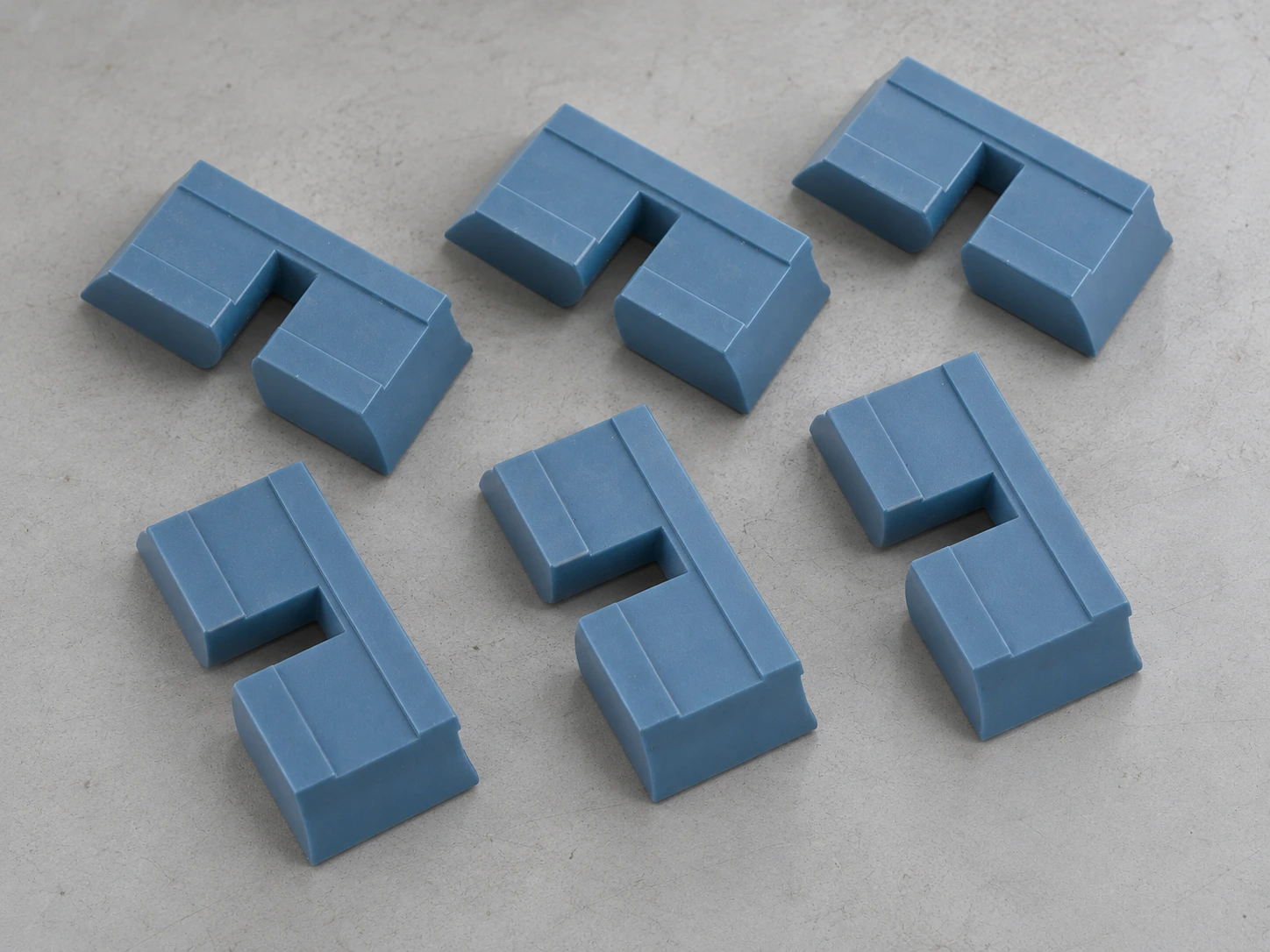
Plan cavities, gates and cooling around geometry, order quantity and cycle needs. Use approved samples as a common reference for dimensions, color and appearance.
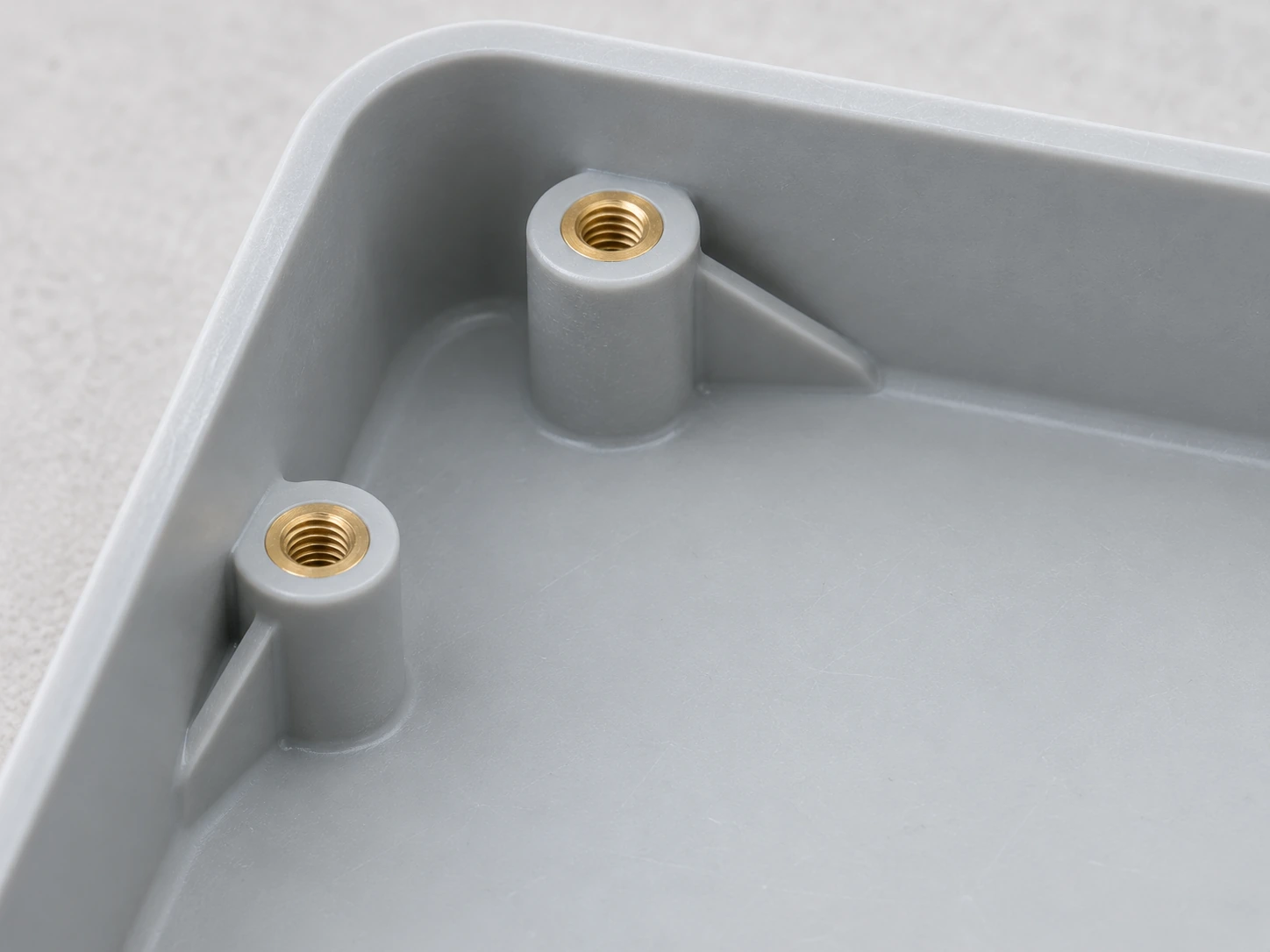
For threaded connections, inserts or overmold interfaces, review bosses, local stress and retention first. Assess thermal effects and material bonding against the specific PS grade and design.
Share your drawings, quantity and clarity or impact requirements.
| Item | Project planning |
|---|---|
| Material & appearance | GPPS for clear, rigid parts or HIPS for impact-modified parts; define color and visible surfaces |
| Tooling & cavities | Plan tooling, cavities and gates around geometry, demand and design maturity |
| Dimensions & fit | Define datums, critical dimensions, fits and inspection methods |
| Molding process | Use grade-supplier guidance and molding trials to set filling, packing and cooling |
| Sampling & production | Check material, dimensions and appearance; approve samples before production |
| Surfaces & secondary operations | Separate mold gloss, texture, molded-in color and printing; assess coatings separately |
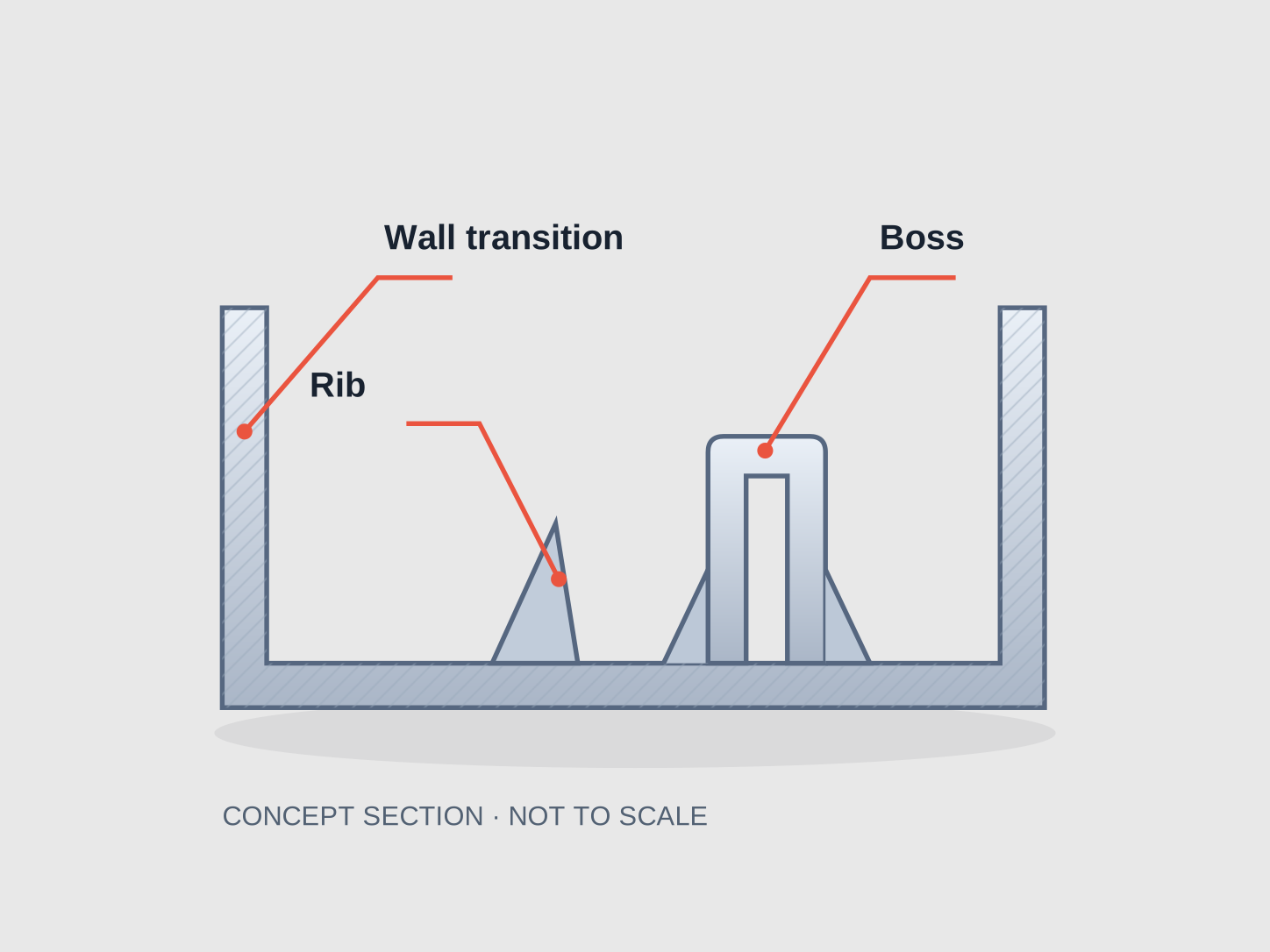 WALLS, RIBS & BOSSES
Keep wall transitions gradual and avoid material buildup at ribs or boss roots. Review sink risk together with visible surfaces.
Review screw preload, press fits and clip strain to limit stress concentration. Assess cracking risk against assembly loads, especially for rigid GPPS.
Identify viewing areas, texture and cosmetic faces. Coordinate draft, parting lines and ejector marks with these surfaces.
Plan gates, venting and cooling around flow paths. Review flow marks in clear areas and weld lines at loaded features.
Define clarity, texture, color and graphics separately, then choose the mold surface or secondary operation.
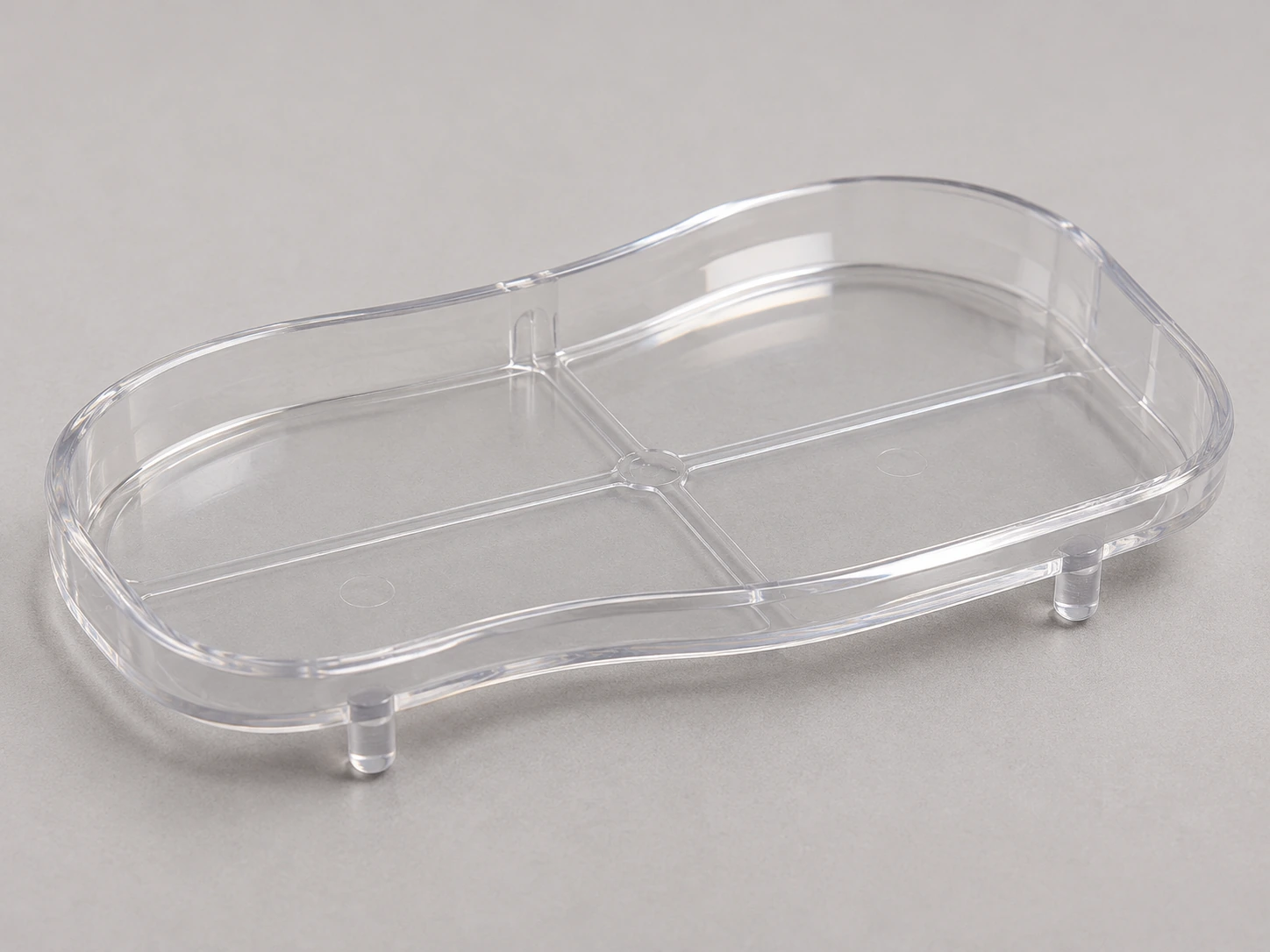
For clear GPPS, mold polish and molding conditions influence gloss and visibility. Agree on acceptable flow marks, gate vestiges and cosmetic areas.

Evaluate molded texture for a matte HIPS surface. Coordinate texture depth with draft, parting and cleaning requirements.
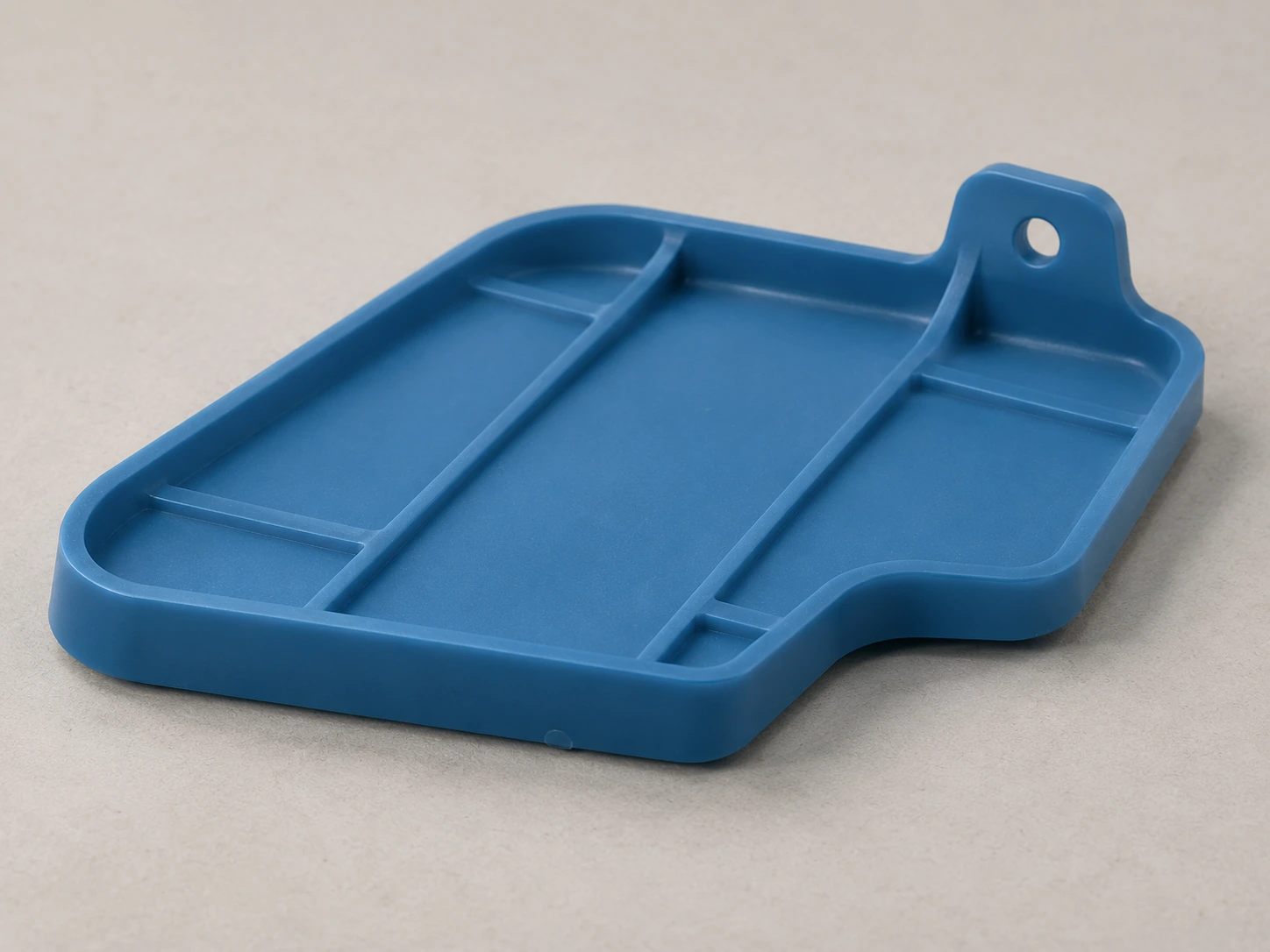
Use colored resin for an opaque finish. Define the color reference, allowable variation and gloss; impact-modified HIPS is generally opaque.
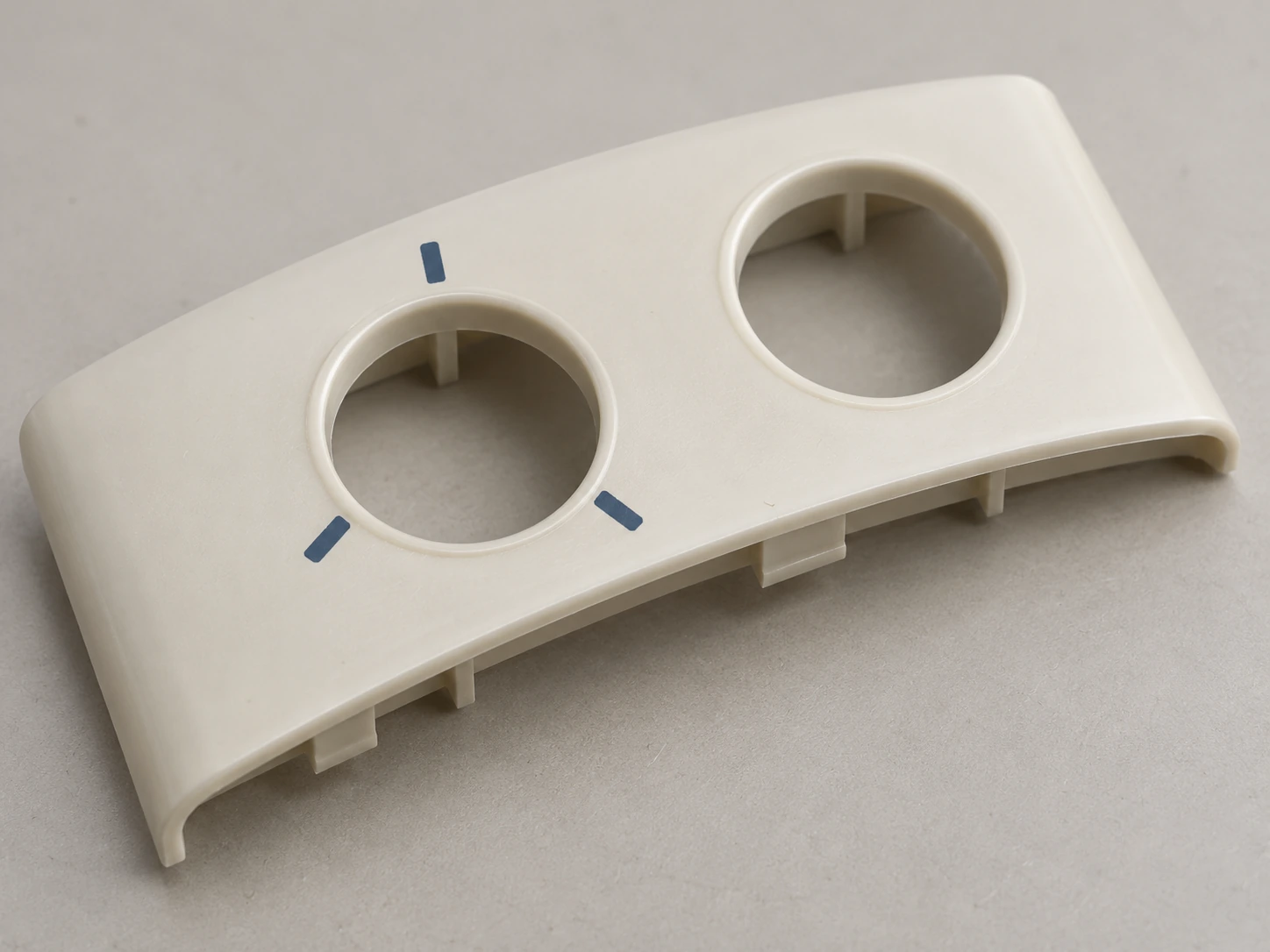
Evaluate pad printing or another suitable process for markings. Check inks, adhesion and service exposure on the selected grade, including solvent-related cracking risk.
Turn resin, dimensions, color and visible-defect requirements into checkable acceptance criteria. Verify fit and appearance during sampling, then carry the approved criteria and inspection plan into production.
GPPS emphasizes clarity and stiffness; HIPS emphasizes impact performance. Compare these two injection grades for initial selection, then confirm the grade against the part’s service conditions.
| Property / method | GPPSSTYRON 666D | HIPSSTYRON 498 |
|---|---|---|
| Specific gravityASTM D792 | 1.04 | 1.04 |
| Tensile modulusASTM D638 · injection molded | 3,170 MPa | 2,200 MPa |
| Tensile strength at breakASTM D638 · injection molded | 43 MPa | 30 MPa |
| Flexural modulusASTM D790 · injection molded | 3,480 MPa | 2,300 MPa |
| Notched Izod impactASTM D256 · 23°C · injection molded | 21 J/m | 110 J/m |
| Property / method | GPPSSTYRON 666D | HIPSSTYRON 498 |
|---|---|---|
| HDT · 1.8 MPaASTM D648 · unannealed | 82°C | 83°C |
| HDT · 0.45 MPaASTM D648 · unannealed | 89°C | 93°C |
| Molding shrinkage · flowASTM D955 | 0.40–0.70% | 0.40–0.80% |
| Melt mass-flow rateASTM D1238 · 200°C / 5.0 kg | 8.0 g/10 min | 3.5 g/10 min |
| Injection mold temperatureGrade-sheet processing guidance | 16–66°C | 16–66°C |
Typical values from the Formerra STYRON 666D and STYRON 498 data sheets, February 29, 2024. Compare HDT at the same load and use flow-direction shrinkage to plan tool dimensions. Include the continuous-use temperature and critical part dimensions in your project brief.
As XMAKE’s plastic-manufacturing brand, PlasticHubs brings engineering, tooling, molding and quality management together to support PS projects from design review through production.
Turn clarity, impact, assembly and service conditions into grade and geometry decisions, addressing tooling and appearance issues early.
Connect tool development, trials, sample feedback and production through one project team, keeping critical requirements visible at every stage.
Set clear criteria for viewing areas, gate marks, texture and graphics so sample reviews focus on the appearance that matters.
Combine manufacturing resources, inspection support and group quality systems to coordinate drawing, sample and inspection requirements.
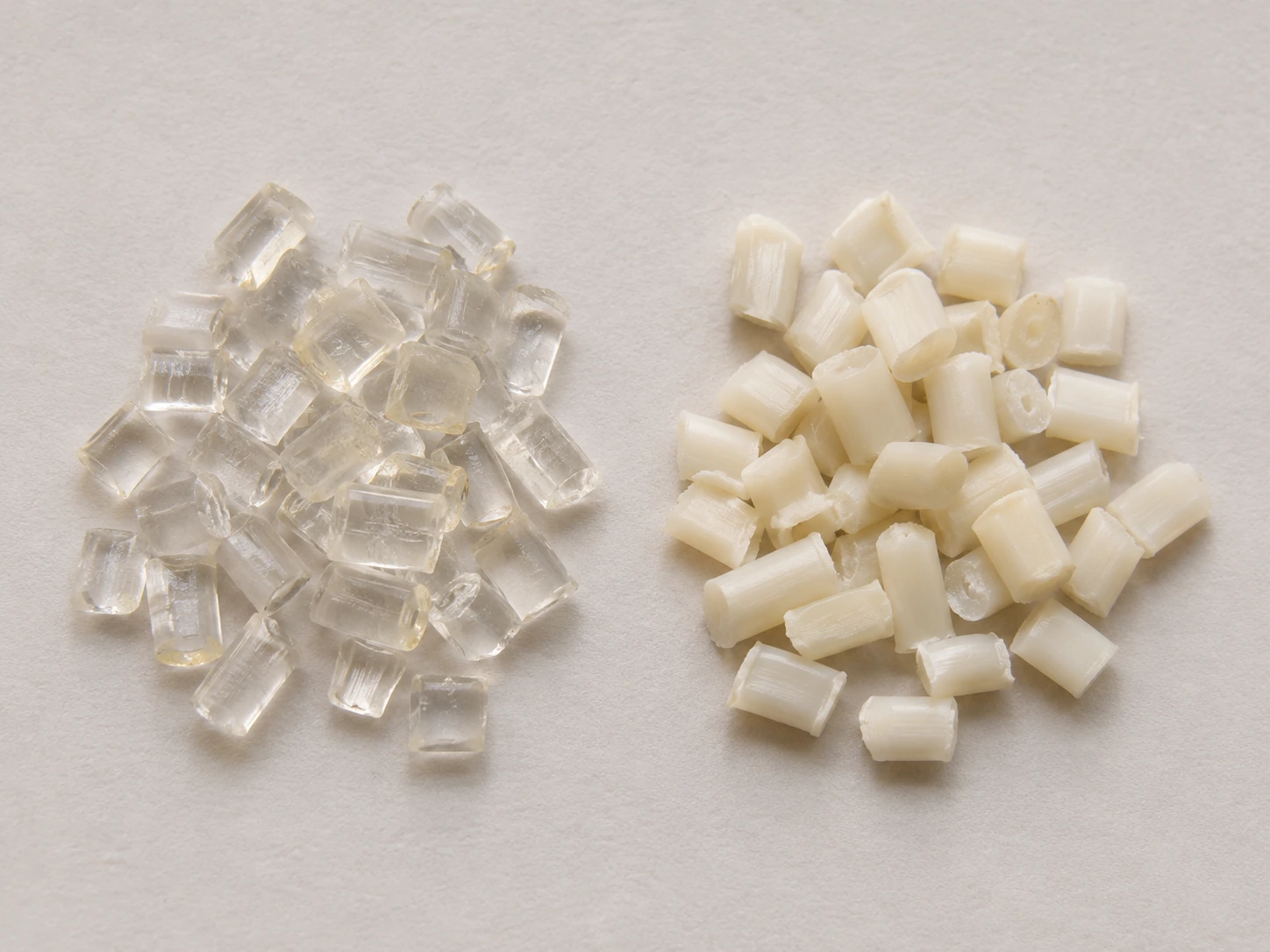
Polystyrene is an amorphous thermoplastic. General-purpose polystyrene, or GPPS, is typically clear and rigid, making it useful for display covers, rigid packaging and clearware.
High-impact polystyrene, or HIPS, uses rubber modification to improve impact performance and is generally opaque. It is used for consumer products, appliance covers and other parts needing greater toughness. Stiffness, impact and flow vary by grade.
For solid injection-molded parts, mark the viewing areas on clear GPPS drawings and identify clips, screw bosses and handling loads on HIPS housing drawings.
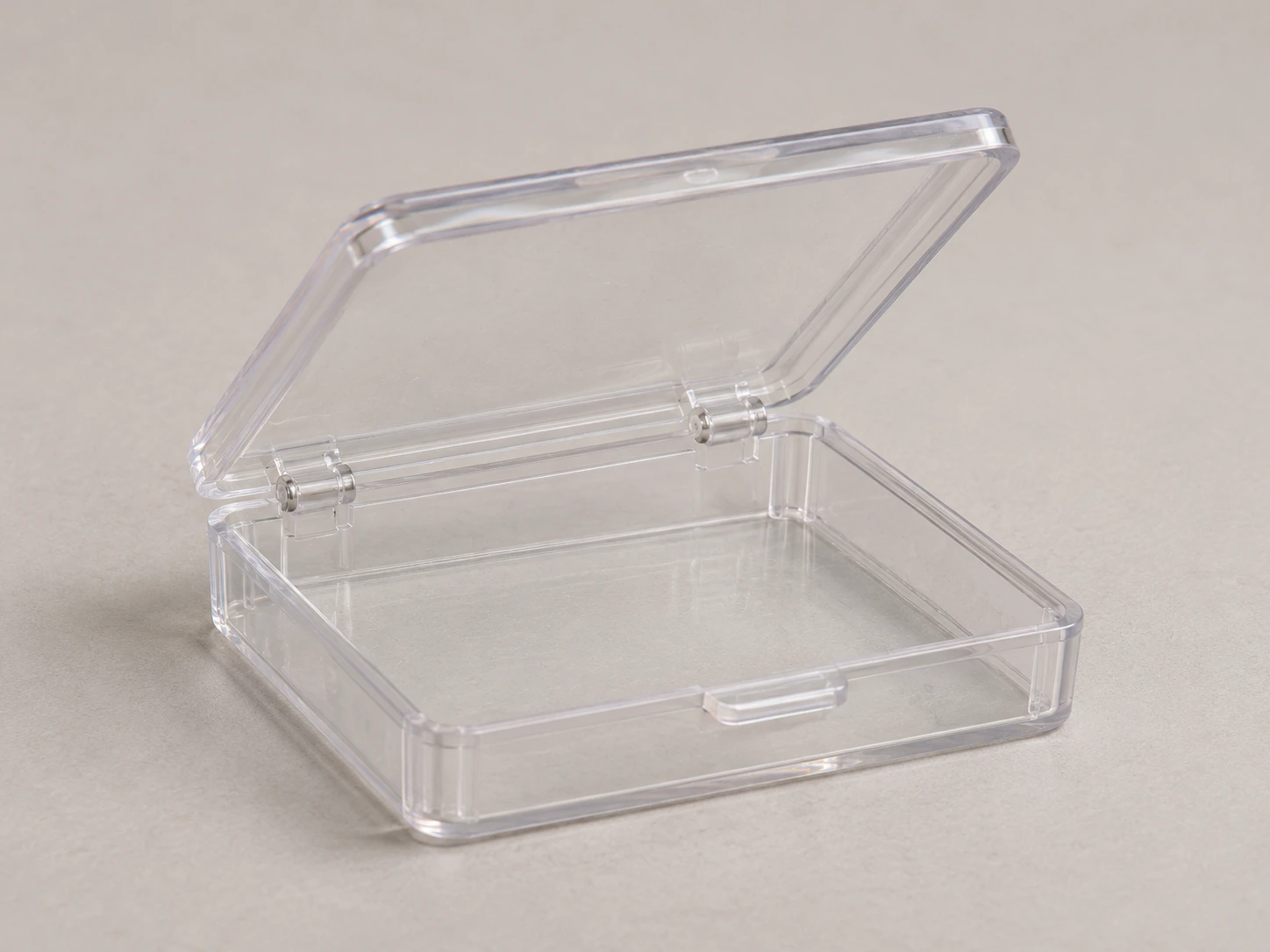
Clear display covers, rigid boxes and viewing lids, with attention to visibility, cosmetic marks and handling impacts.

Organizers, desk accessories and everyday product components, with HIPS assessed for impact, color and surface feel.
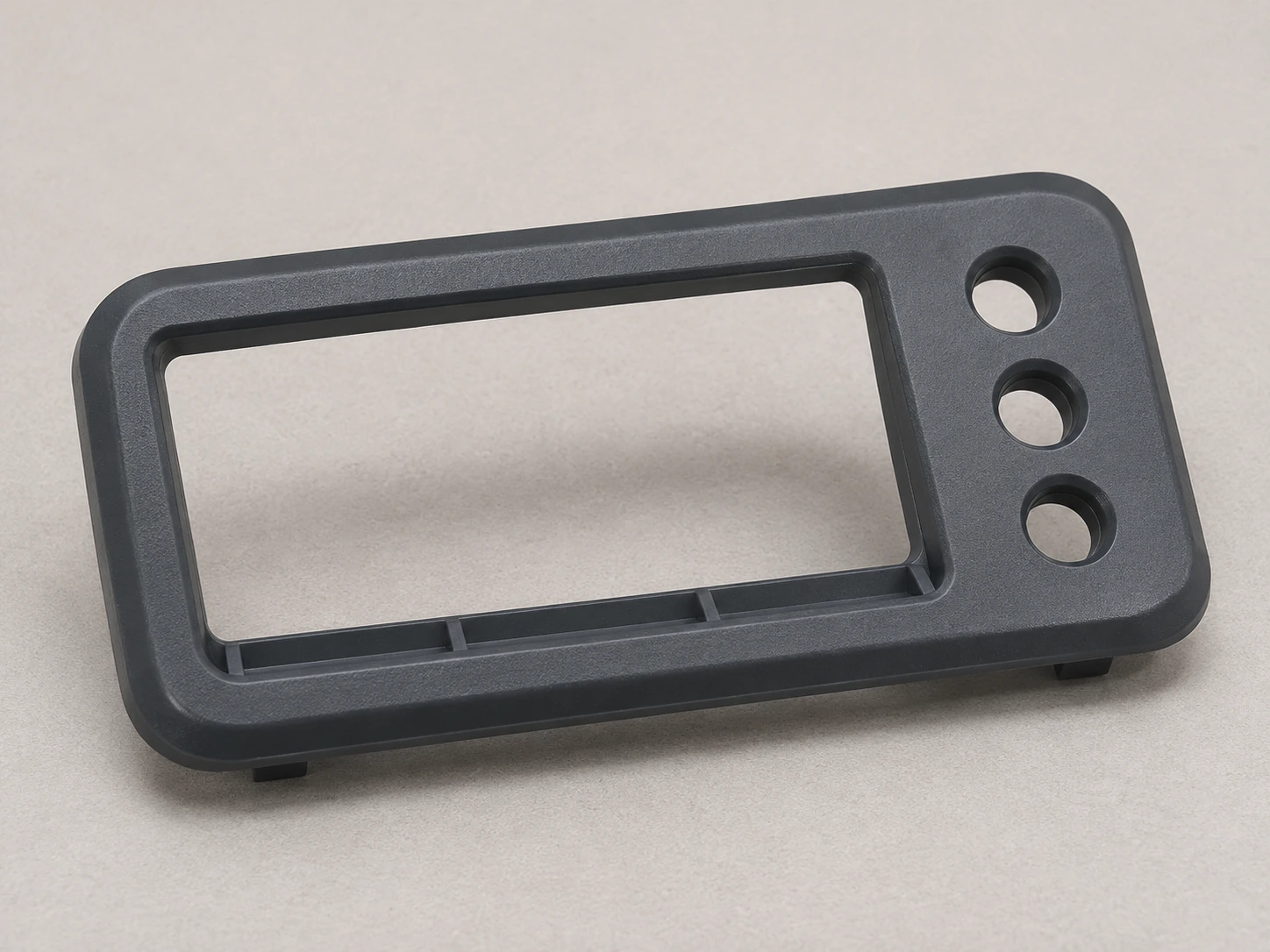
Control panels, covers and internal components, selected for fit, service temperature, cleaning exposure and any flame-rating requirement.
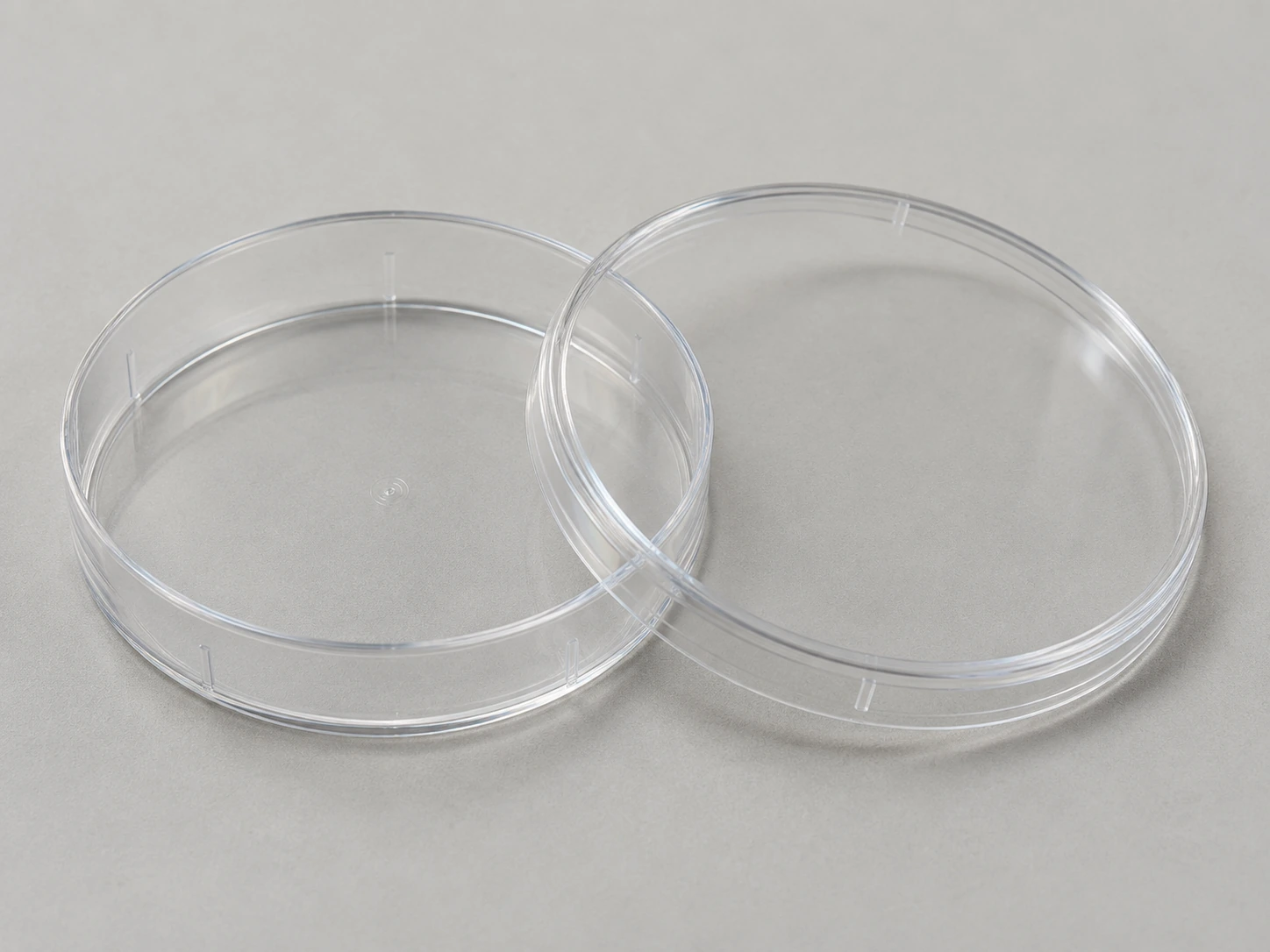
Application types such as clear dishes and sample containers; confirm cleanliness, sterilization and regulatory requirements for the intended use.
GPPS combines clarity with stiffness, while HIPS offers an impact-modified route. Injection molding can integrate walls, ribs and connection features into one part. With a stable design and suitable demand, repeat production spreads tooling cost across more parts.
Economics depend on geometry, grade, cavity count, cycle time and secondary operations, rather than resin price alone.
Use the required impact performance, operating temperature, outdoor exposure and contact with solvents to compare PS with ABS, PMMA or PC. For food-contact, medical or electrical use, include the applicable requirements when requesting a grade recommendation.
Material selection, appearance, tooling and the information needed to start your PS project.
Yes. Both GPPS and HIPS are available as injection-molding grades for different clarity, stiffness and impact needs. Confirm the grade, geometry and service conditions before planning tooling and molding.
Start with GPPS when clarity and stiffness matter. Consider HIPS when impact performance matters more and opacity is acceptable. Check temperature, assembly stress, chemical exposure and the specific grade data for either route.
Tool complexity, cavity count, part size, resin grade, cycle time, quantity and secondary operations affect cost. Share CAD, quantities and appearance needs to assess tooling and unit economics.
Mark clear viewing areas and loaded features on the drawing. Review wall transitions, rib and boss geometry, assembly loads, gate location and cooling, then use molded samples to check for cracking, sink and visible weld lines.
GPPS can provide clear parts; HIPS is generally opaque. Evaluate molded-in color, mold polish, texture and printing with the selected grade. Assess coatings separately for compatibility, adhesion and stress-cracking risk.
The two grades in the table list 16–66°C for the mold. Set melt temperature from the selected grade’s processing sheet and refine both settings in trials based on wall thickness, flow path and equipment. Use the MFR test temperature when comparing resin flow, and specify the part’s service temperature in the project brief.
Provide CAD, critical dimensions, quantities, the specified grade or clarity/impact needs, and color and cosmetic criteria. Review fit, dimensions and appearance at sampling. Include any regulatory or cleanliness requirements in the quotation request.
Share your CAD, material, quantity and key requirements. Our team will review your PS project and prepare a quote.
Get a PS Molding Quote