

01
Prototype & Bridge Production
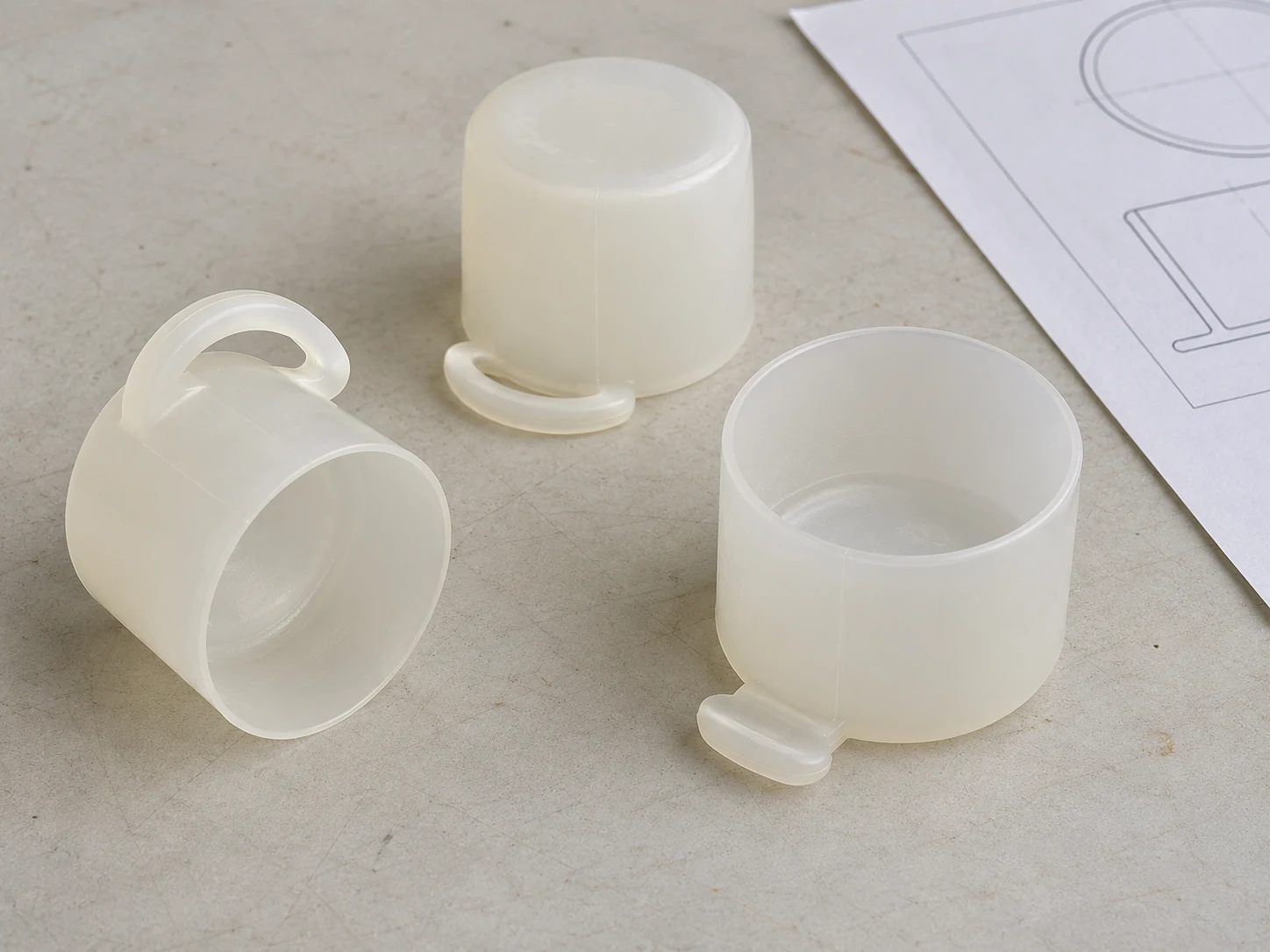
Evaluate fit, deformation and function with the intended PE molding grade. Models can support geometry discussions; confirm final behavior with molded samples.
Built for production.
Take your design from tooling to repeat production of custom plastic parts.
Manufacturing Capabilities
Plastic Injection MoldingCustom plastic parts for productionTooling & Design SupportPrepare your part design for toolingHigh-Volume ProductionPlan repeat runs around your delivery needsMaterials & Finishes
Made for smaller runs.
Produce resin parts with silicone molds for design validation and small batches.
Small-Batch Capabilities
Vacuum CastingResin parts made with silicone moldsLow-Volume ProductionFrom trial parts to small-batch deliveryAppearance & Fit ChecksPrepare multiple parts for product checksMaterials & Finishes
Other Services
Machining, printing, and supporting services for specific part needs.
Materials & Finishes
Explore material performance and appearance options separately.
Explore Materials & Finishes
Injection Molding Materials
Choose molding materials for strength, heat resistance and appearance.
Manufacturing Knowledge
Find articles, answers, and case studies to help prepare your project.
Start with your part requirements.
Contact PlasticHubs for help with quotes, files, delivery, and orders.
Files, Orders & Delivery
Industries
Explore manufacturing options for your product application.
Start with your manufacturing needs
From tooling to production of plastic parts.
Small batches of resin parts made with silicone molds.
Start with your design, material, and quantity.
Built for production.
Take your design from tooling to repeat production of custom plastic parts.
Manufacturing Capabilities
Plastic Injection MoldingCustom plastic parts for productionTooling & Design SupportPrepare your part design for toolingHigh-Volume ProductionPlan repeat runs around your delivery needsMaterials & Finishes
Made for smaller runs.
Produce resin parts with silicone molds for design validation and small batches.
Small-Batch Capabilities
Vacuum CastingResin parts made with silicone moldsLow-Volume ProductionFrom trial parts to small-batch deliveryAppearance & Fit ChecksPrepare multiple parts for product checksMaterials & Finishes
Other Services
Machining, printing, and supporting services for specific part needs.
Materials & Finishes
Explore material performance and appearance options separately.
Explore Materials & Finishes
Plastic CNC Materials
Explore plastic properties and choose materials for your part.
Manufacturing Knowledge
Find articles, answers, and case studies to help prepare your project.
Start with your part requirements.
Contact PlasticHubs for help with quotes, files, delivery, and orders.
Files, Orders & Delivery
Industries
Explore manufacturing options for your product application.
Start with your manufacturing needs
From tooling to production of plastic parts.
Small batches of resin parts made with silicone molds.
Plastic CNC Materials
Start with your design, material, and quantity.
Evaluate PE injection molding for healthcare packaging closures and non-load-bearing protection in robotics and automation. Develop your project around resin grade, fit and service conditions, from design review to tooling and sample validation.
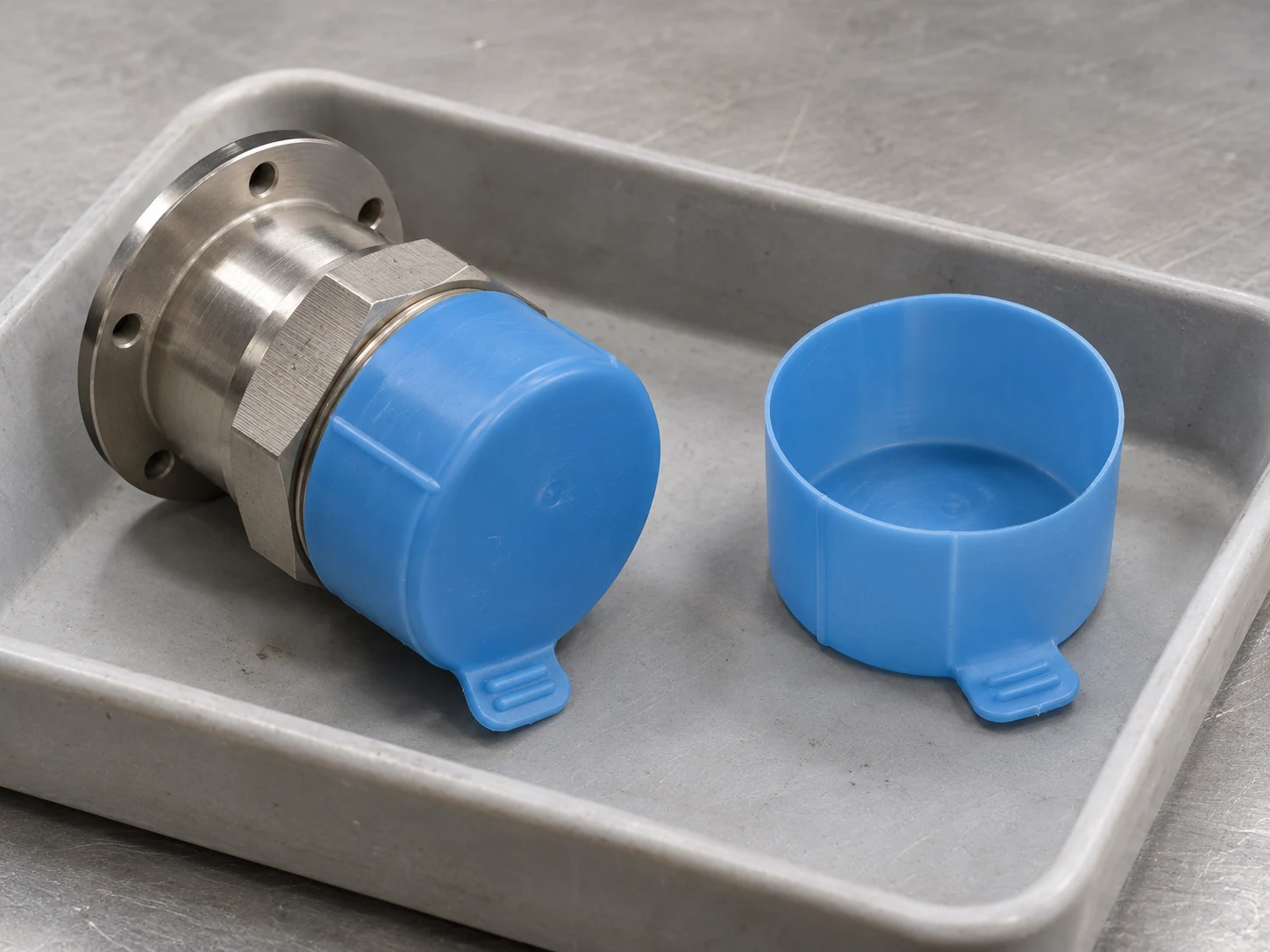
Tell us the service temperature, contact media, assembly method and loads. If a PE grade is specified, include its current documentation. Otherwise, start with the functional requirements.
Discuss your project ↗Evaluate fit, deformation and function with the intended PE molding grade. Models can support geometry discussions; confirm final behavior with molded samples.
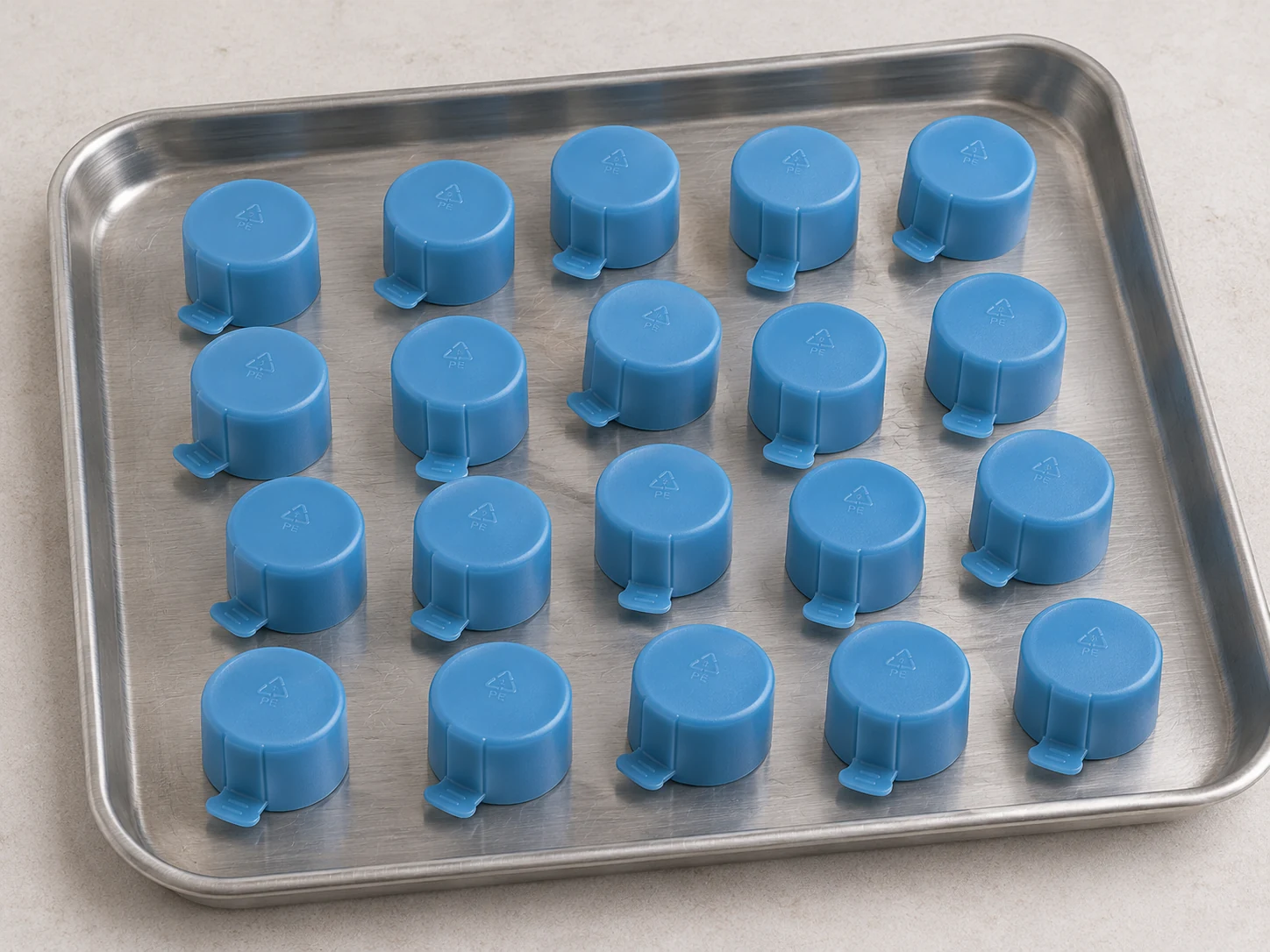
Discuss tooling around part size, volume and acceptance requirements. Carry the material, critical dimensions and appearance approved in tool trials into production.
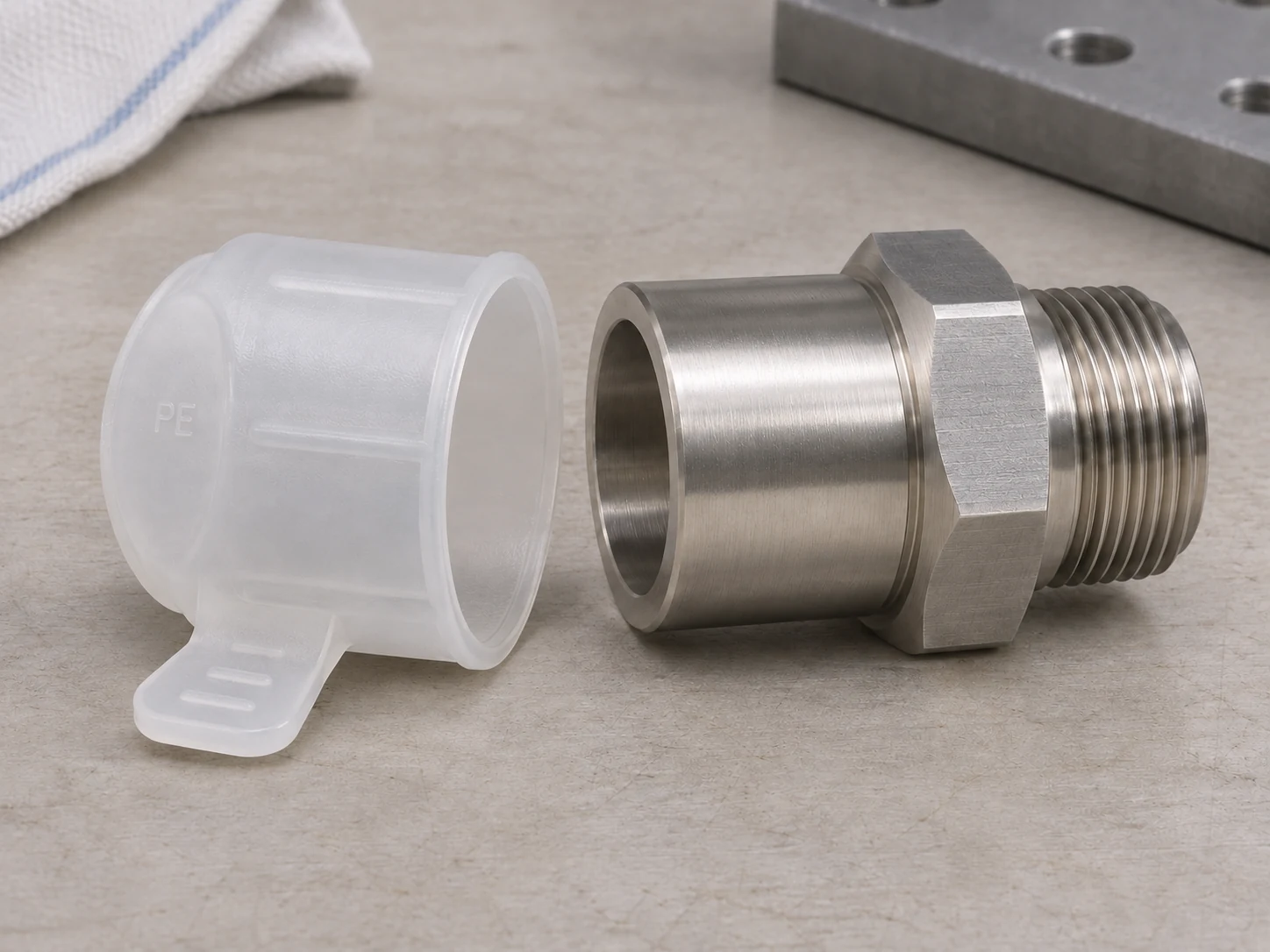
Set fit, assembly force and retention targets for caps and inserts. For adhesive or overmolded joints, test bond strength on samples made with the selected PE and mating material.
Start with your drawings, quantity and application requirements.
| Item | Project review |
|---|---|
| Material & color | Compare specific HDPE and LDPE molding grades using their data sheets, then define the color and appearance criteria for samples. |
| Tooling & cavities | Review cavities, gating and cooling against part geometry, quantity and selected material |
| Critical dimensions | Define datums, tolerances, assembly and measurement timing; verify with tool-trial parts |
| Sampling & production | Confirm dimensions, fit, appearance and relevant functional tests for the application |
| Finishing | Specify the mold texture and resin color. For printing or coating, include an adhesion check on molded samples. |
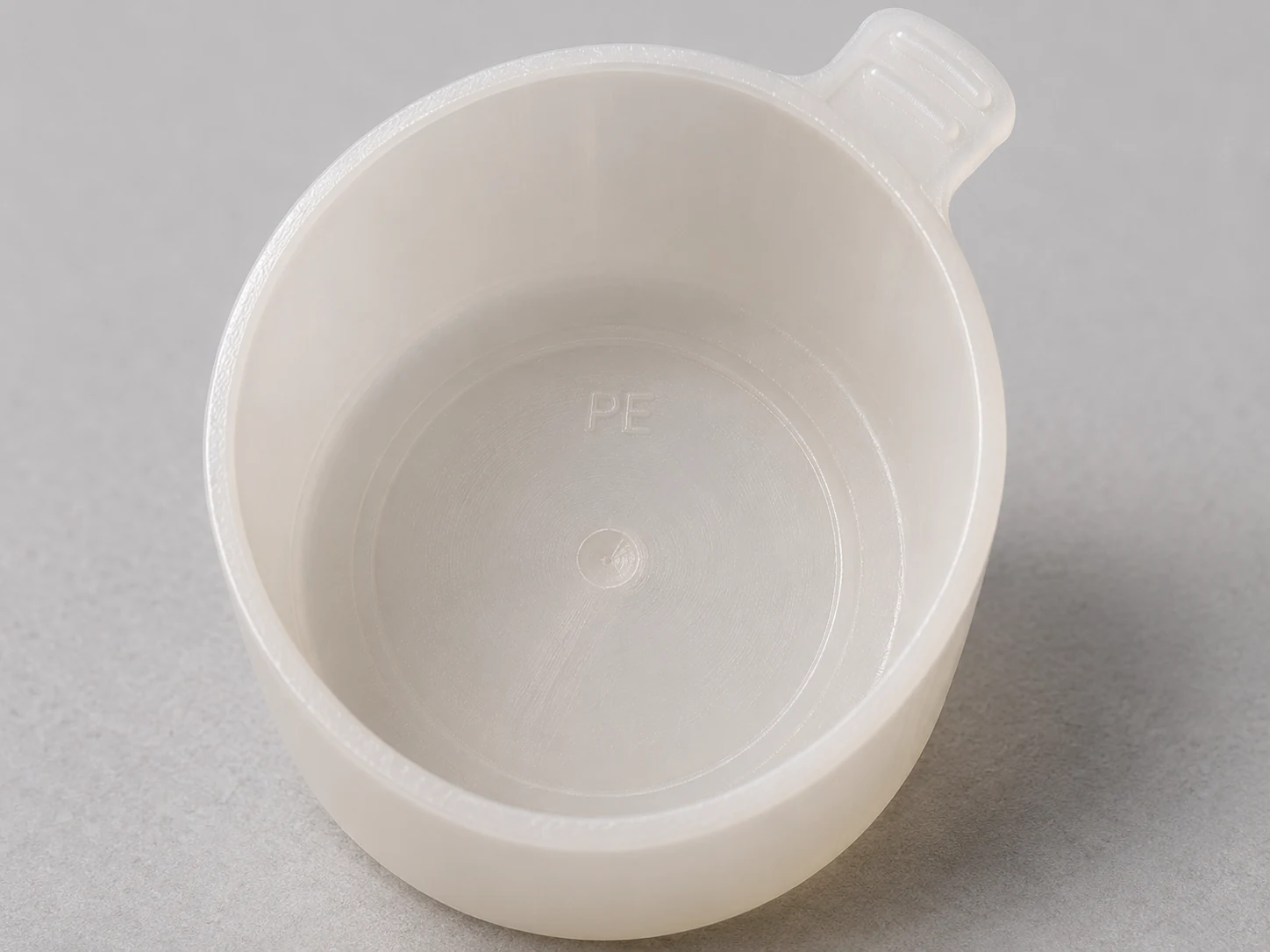 GEOMETRY REVIEW
Review wall transitions, ribs and thick sections so tooling discussions address filling, cooling and appearance. Set dimensional recommendations for the part and selected grade.
Use the selected PE grade’s shrinkage data to set initial tooling allowances. Refine them with trial parts measured under agreed conditions.
Set assembly force and sealing targets for closures and snap fits. Review draft, texture and ejector placement, then check fit and release on tool-trial parts.
Assess gate location, flow paths and cooling together. Use tool trials to check filling, deformation, gate marks and critical dimensions.
Define appearance criteria first, then select a mold finish or secondary operation.

Use the mold surface to define appearance; confirm gloss and gate marks with samples in the actual grade.
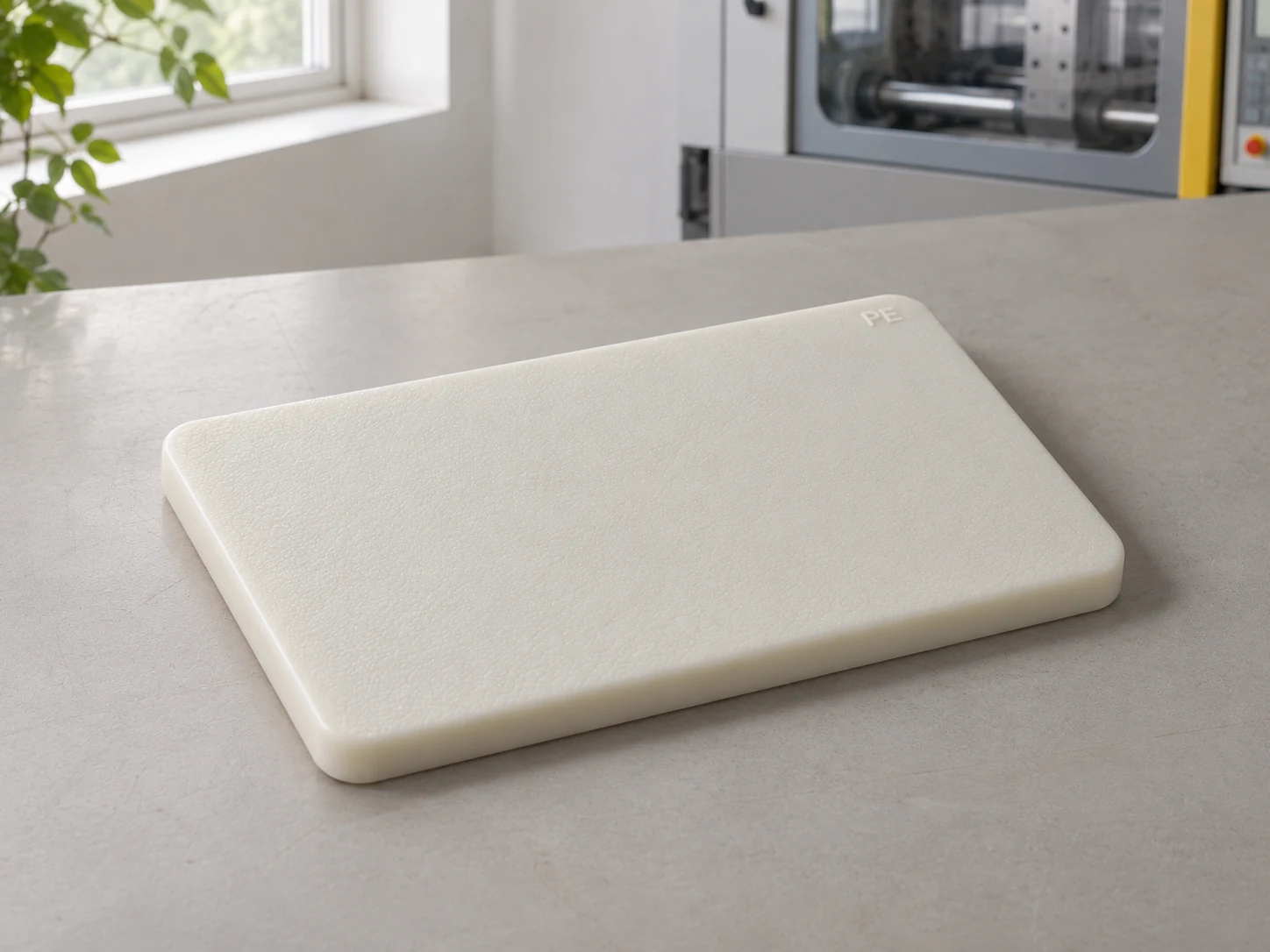
Review texture, release and cleaning requirements together. Confirm texture and appearance criteria against approved samples.

Evaluate colorants compatible with the selected PE grade and application, including color variation and additive requirements.
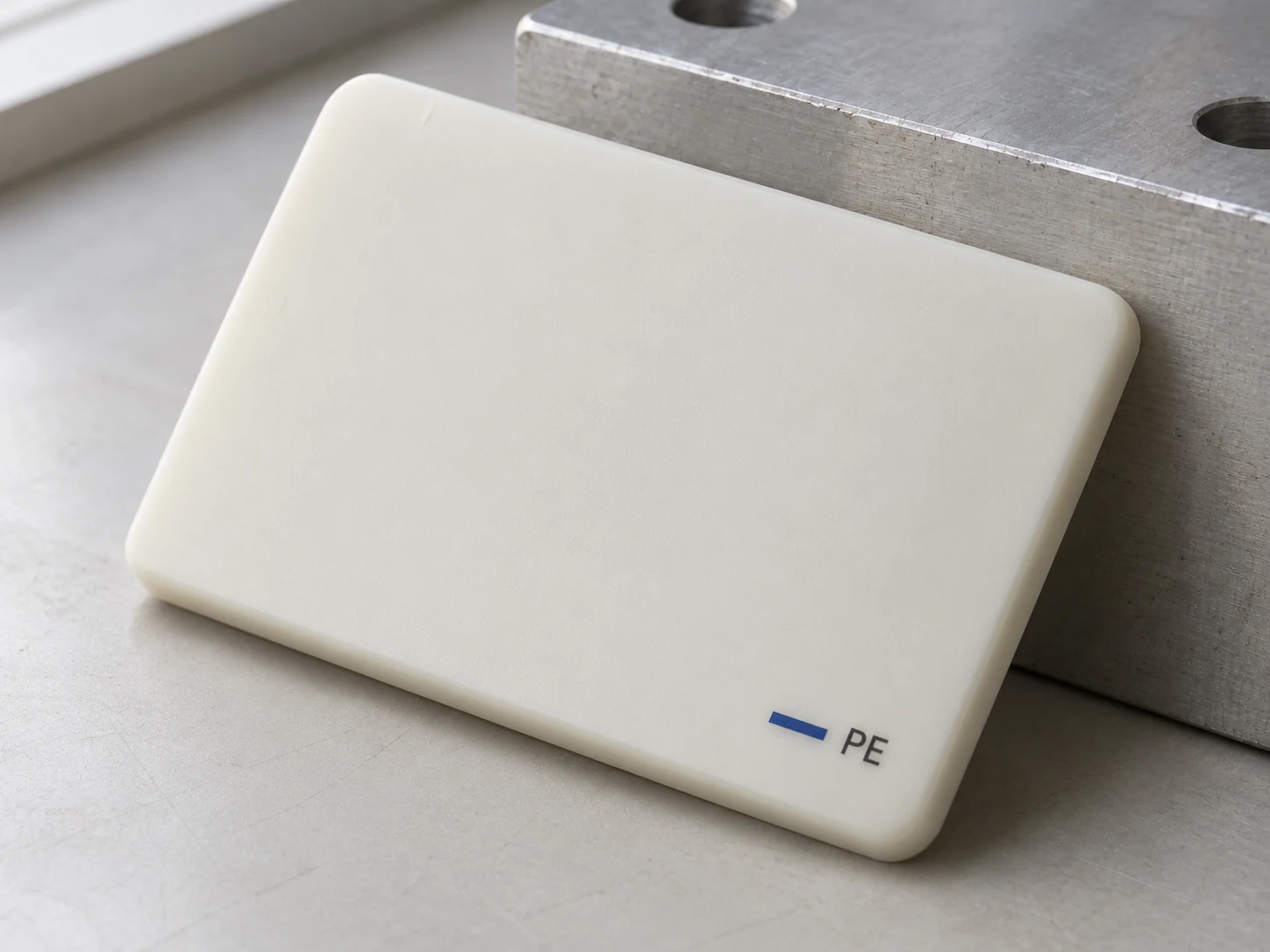
For printing, coating or bonding, share the mark location, mating material where relevant and service conditions. Check adhesion and durability on samples molded in the selected PE grade.
Record dimensions, assembly or sealing fit, appearance and relevant functional tests in the acceptance requirements. Agree on measurement conditions and sampling, then confirm production criteria with tool-trial parts.
The table lists typical data for DOW DMDA-8907 NT 7 HDPE, an industrial injection molding grade. Use density, tensile yield strength and melt index to compare candidates, then evaluate the selected grade against your part’s fit, loads and service conditions.
| Property | Typical value | Method / conditions |
|---|---|---|
| Density | 0.952 g/cm³ | Dow product page |
| Tensile strength at yield | 26.9 MPa | ASTM D638 |
| Property | Typical value | Method / conditions |
|---|---|---|
| Melt index | 6.8 g/10 min | ASTM D1238; 190°C / 2.16 kg |
| Fabrication | Injection molding | Dow product page |
Compare melt index at the same test temperature and load. Use the selected grade’s processing data to set molding temperatures and initial shrinkage allowances. For food-contact parts, specify the contact medium, temperature and duration, then check the grade’s supporting documentation.
Discuss PE grades around service conditions and address dimensions, assembly and material needs early.
Align tooling, samples and production around a consistent material and acceptance specification.
Translate color, mold-surface and marking needs into inspectable sample criteria.
Define critical dimensions, tests and inspection records to reduce gaps during project handoffs.
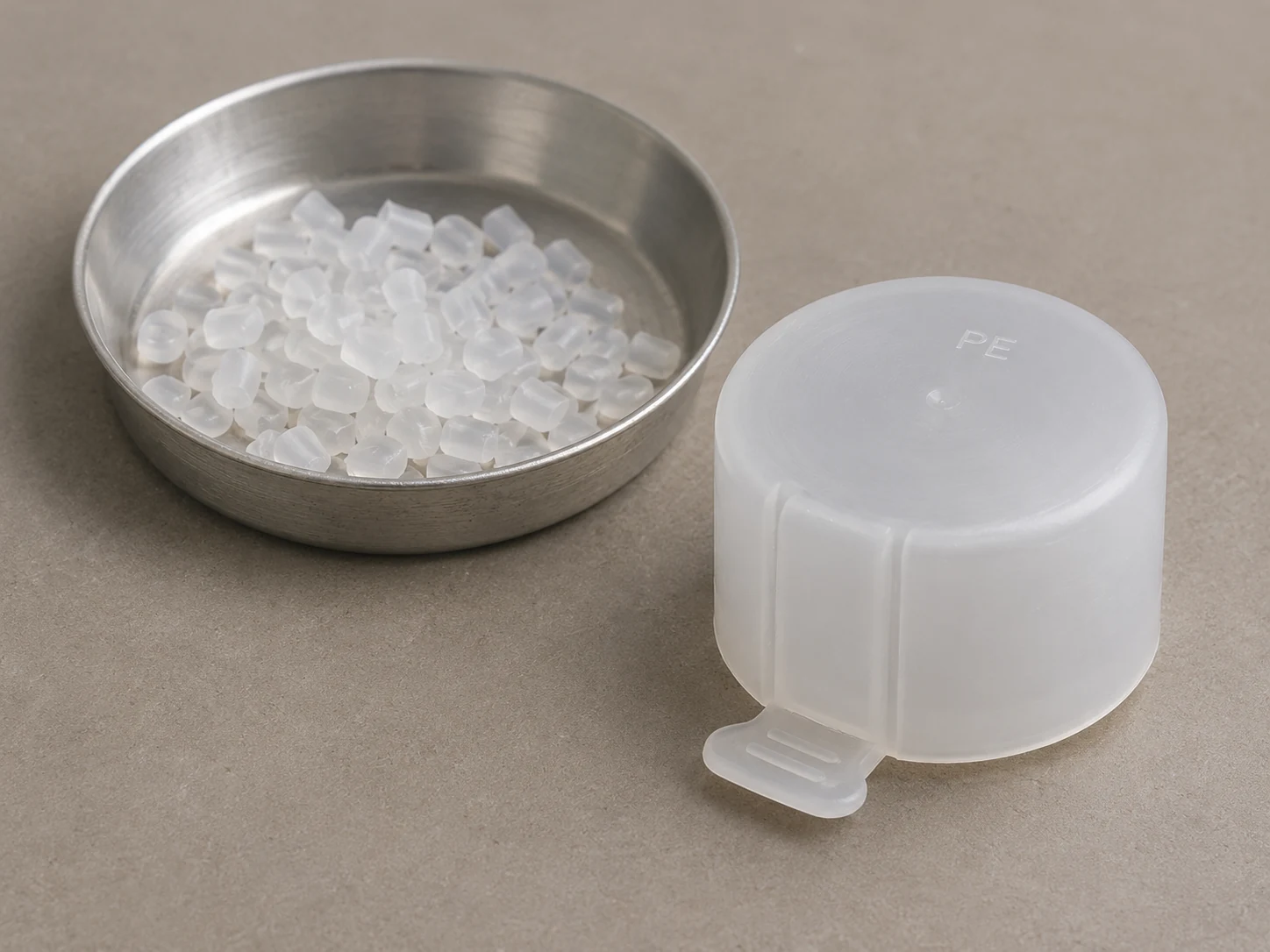
PE is polyethylene. Selection depends on resin type, specific grade and processing application; both HDPE and LDPE include injection molding grades.
Look for injection molding in the grade’s fabrication data. Use the grade’s flow and shrinkage information when reviewing wall sections, gating and tooling allowances.
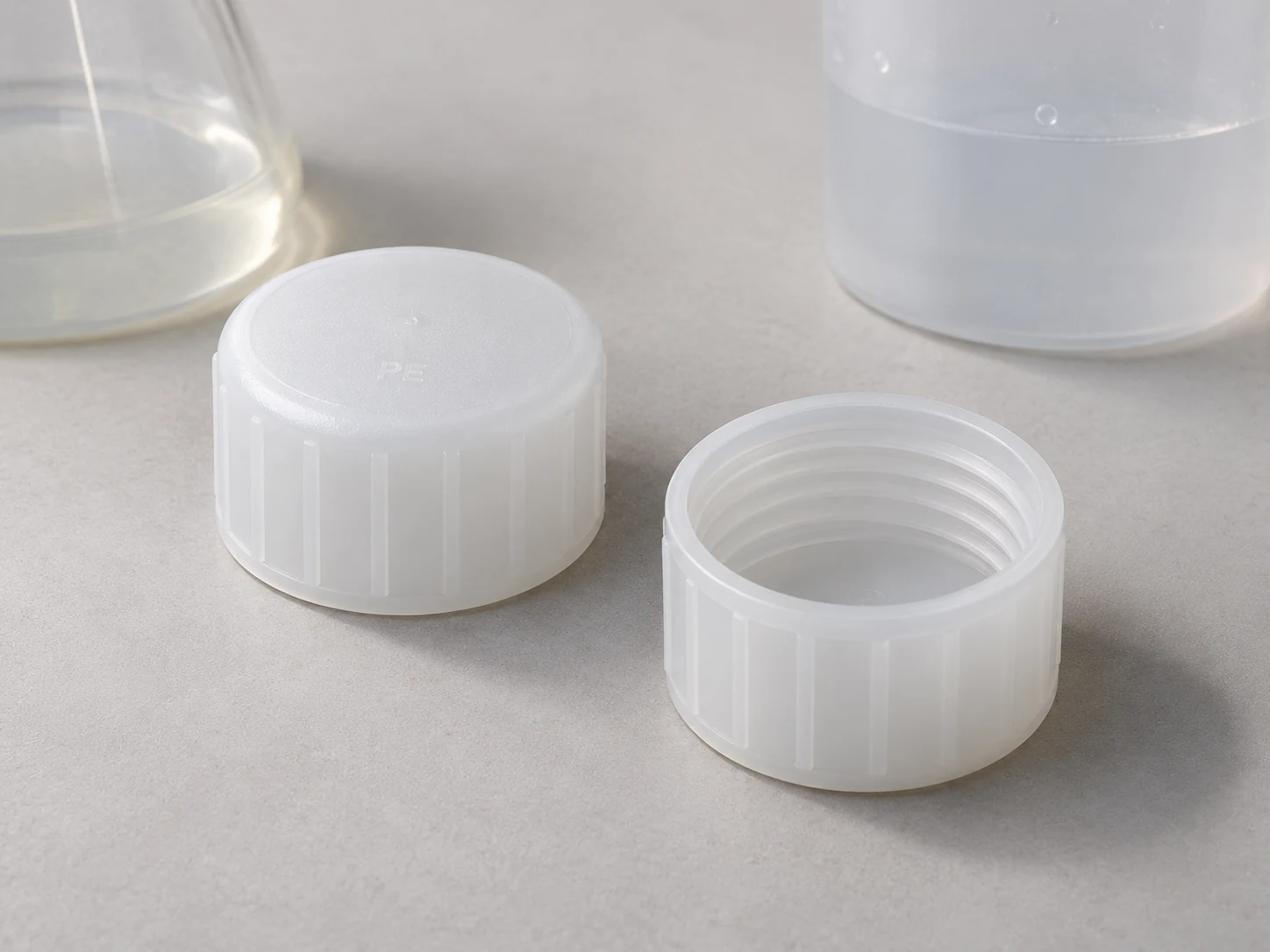
For healthcare packaging closures, specify the contents, seal requirements and any sterilization method. Check documentation for the exact molding grade and evaluate cleanliness and biocompatibility where the intended use requires them.

Consider LDPE caps for protecting equipment interfaces during shipping, storage and assembly. Validate fit, retention, ingress protection and load requirements for the actual application.
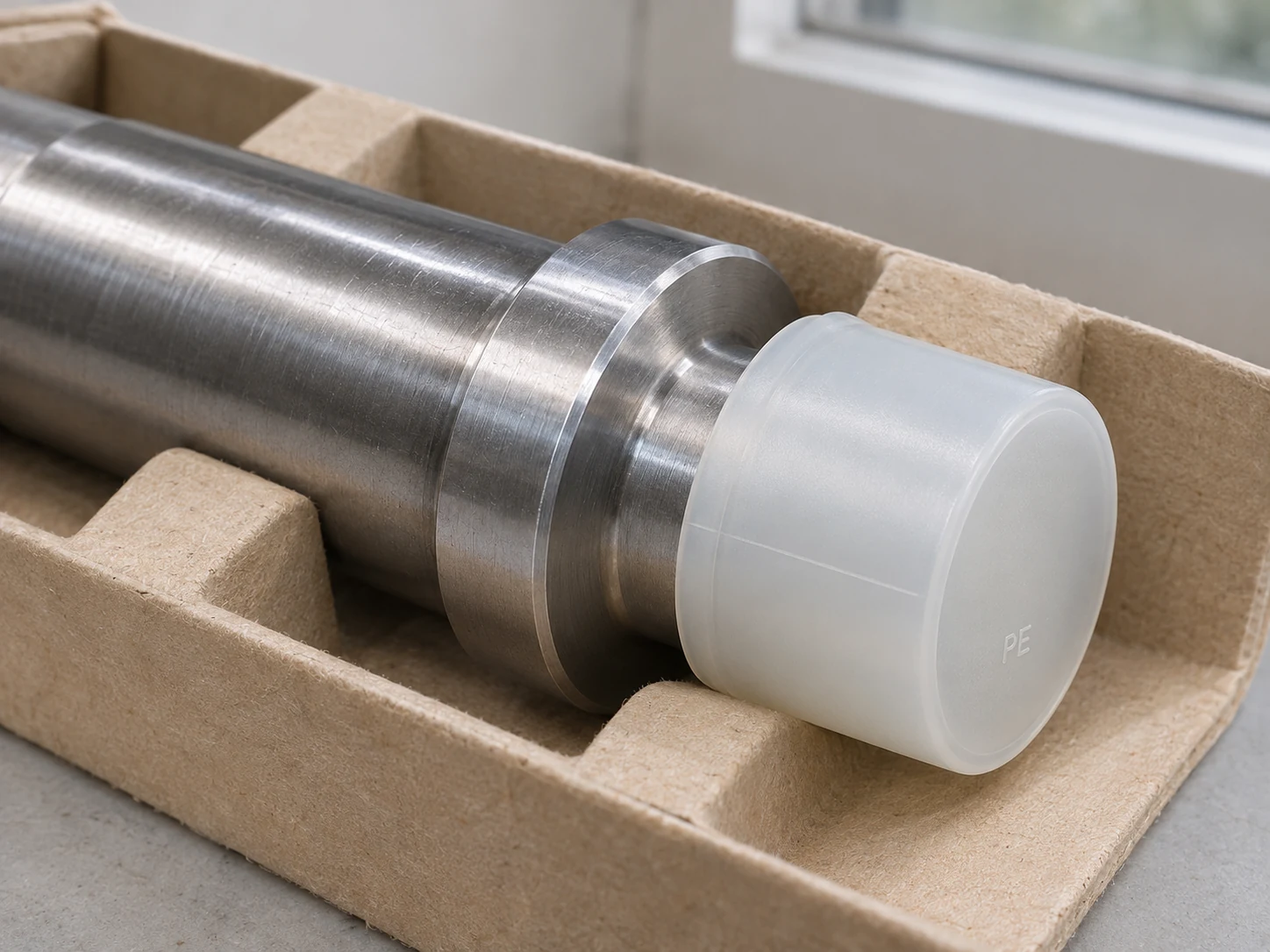
Use removable PE end caps for non-load-bearing protection of shaft ends during handling and shipping. Check installation force, retention and shaft surface condition after removal.
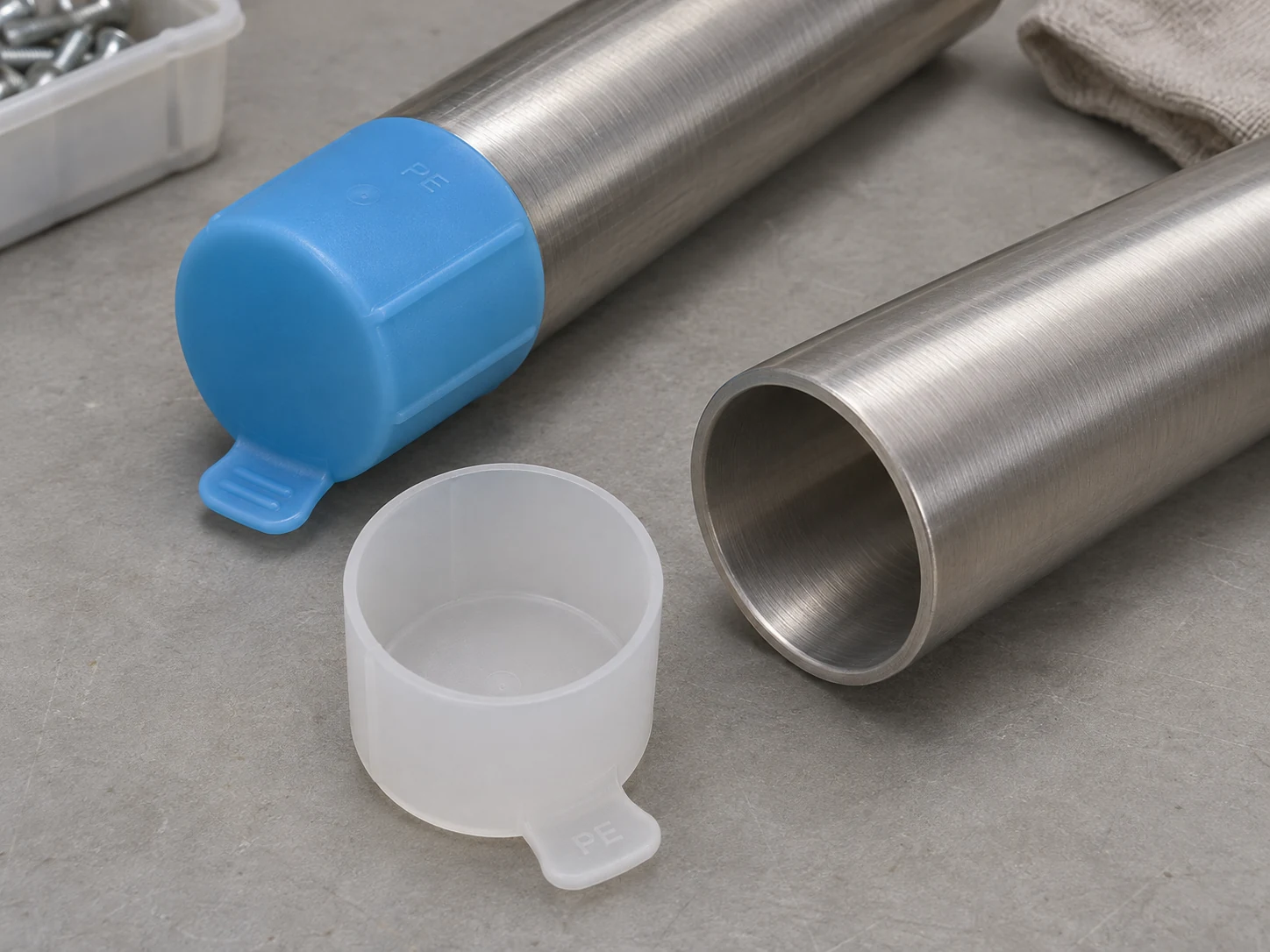
Size thin-walled PE protectors from the mating drawings and shipping conditions. If a protector stays fitted in service, include the operating temperature, contact media and expected exposure duration in the grade review.
PE adds value when its behavior matches the job: closures need fit and closure performance, while protective caps need suitable flexibility and retention. Use grade documentation, molded samples and assembly checks to validate the intended application.
For sustained loads, elevated temperatures, tight dimensional stability, clarity or bonding, compare candidate grades using your service requirements. Use molded samples to check the critical dimensions or functional tests that drive the material choice.
PE INJECTION MOLDING FAQ
PE selection, tooling, and the information needed to start your project.
Yes. HDPE and LDPE both include injection molding grades. Look for injection molding in the grade’s fabrication data and review its flow against the part’s wall thickness and flow path.
Start with stiffness, flexibility, loads and service conditions. Compare specific HDPE and LDPE molding grades, then test the fit or flexibility that matters on samples in each candidate grade.
Use the typical DOW DMDA-8907 NT 7 HDPE values as a comparison point. For a different HDPE or LDPE grade, compare the supplier data under matching test conditions and check critical part requirements on molded samples.
Start with the selected PE grade’s shrinkage data, part geometry and tooling layout. Measure trial parts at agreed datums and under agreed conditions to refine allowances and set inspection criteria.
Assess the material and process combination and verify adhesion and service conditions on samples. Also compare molded texture, resin color and molded identification.
PE candidates include healthcare packaging closures and non-load-bearing protective caps for robotic equipment. For healthcare packaging, specify the contents and any sterilization or contact requirements and check the exact grade’s supporting documentation. For robotic covers and caps, define fit, retention, exposure and expected loads. For injection molding, compare grades listed for that process.
Provide CAD, drawings, quantity, service conditions, material requirements and appearance criteria. Identify sealing, assembly and contact-compliance needs.
Share your CAD, material, quantity, and key requirements. Our team will review your project and prepare a quote.
Request a Quote