
01
Prototype & Bridge Production
Use molded samples to check clip deflection, mating clearances and contact areas. Where relevant, evaluate dry and agreed conditioned states before deciding on tool revisions and production.
Built for production.
Take your design from tooling to repeat production of custom plastic parts.
Manufacturing Capabilities
Plastic Injection MoldingCustom plastic parts for production Tooling & Design SupportPrepare your part design for tooling High-Volume ProductionPlan repeat runs around your delivery needsMaterials & Finishes
Made for smaller runs.
Produce resin parts with silicone molds for design validation and small batches.
Small-Batch Capabilities
Vacuum CastingResin parts made with silicone moldsLow-Volume ProductionFrom trial parts to small-batch deliveryAppearance & Fit ChecksPrepare multiple parts for product checksMaterials & Finishes
Other Services
Machining, printing, and supporting services for specific part needs.
Materials & Finishes
Explore material performance and appearance options separately.
Explore Materials & Finishes
Injection Molding Materials
Choose molding materials for strength, heat resistance and appearance.
Manufacturing Knowledge
Find articles, answers, and case studies to help prepare your project.
Start with your part requirements.
Contact PlasticHubs for help with quotes, files, delivery, and orders.
Files, Orders & Delivery
Industries
Explore manufacturing options for your product application.
Start with your manufacturing needs
From tooling to production of plastic parts.
Small batches of resin parts made with silicone molds.
Start with your design, material, and quantity.
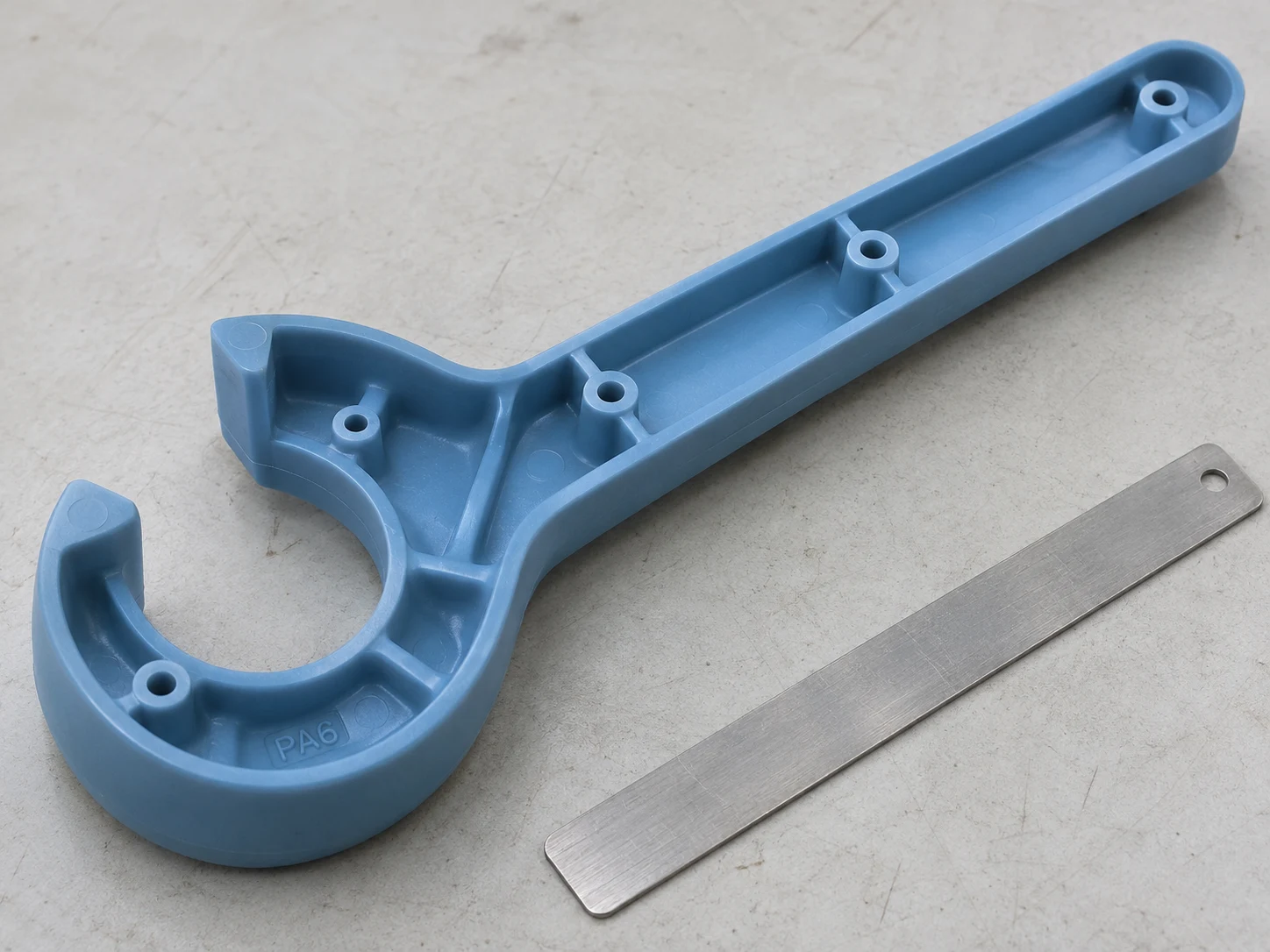
Plan PA6 grades around the loads, friction and assembly needs of gears, clips and structural parts. Connect material drying, moisture-related property changes and dimensional acceptance with tooling and production.

Along with CAD and quantity, describe loads, fit clearances, wear contacts and temperature/humidity exposure. State whether assembly or inspection follows conditioning, so dimensions after molding are not treated as dimensions in service.
Discuss your project ↗Use molded samples to check clip deflection, mating clearances and contact areas. Where relevant, evaluate dry and agreed conditioned states before deciding on tool revisions and production.
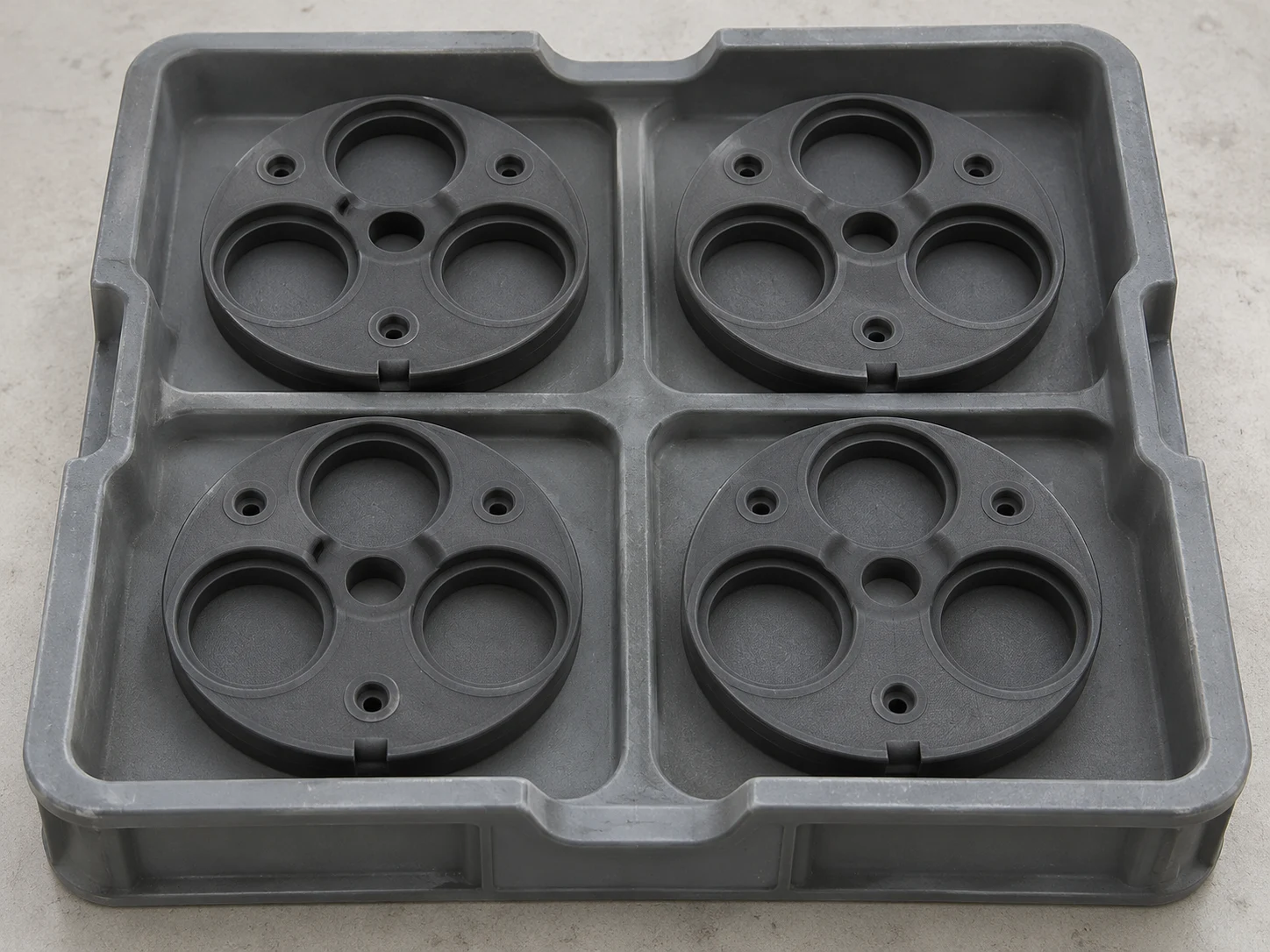
Connect resin drying, mold temperature, cooling and batch inspection. Use agreed storage, conditioning and measurement timing so samples and production batches can be compared.
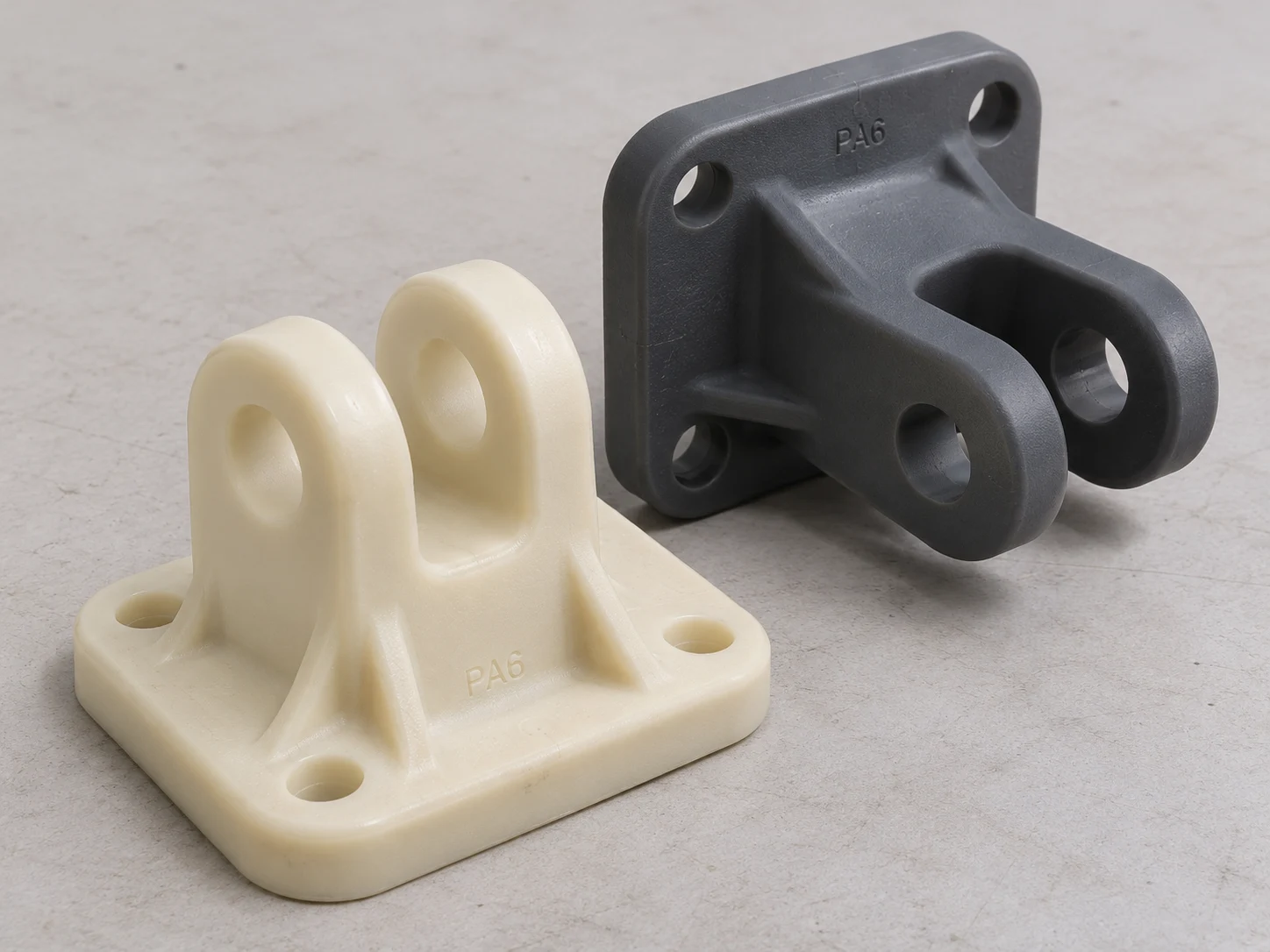
Evaluate unfilled, glass-filled and other modified PA6 grades for stiffness, toughness, wear or exposure requirements. Fillers also change flow, directional shrinkage and surface appearance.
Share your drawings, quantity, loads and service temperature/humidity requirements.
| Item | Project review |
|---|---|
| Grade & reinforcement | Review loads, friction, temperature/humidity and filler system together |
| Tooling & cavities | Plan tooling for geometry, flow direction, quantity and cooling |
| Critical dimensions | Agree on datums, tolerances and dry or conditioned measurement conditions |
| Sampling & production | Use approved samples to check fit, function and behavior under agreed exposure |
| Surfaces & secondary operations | Review tool finish, molded color and markings for resin and service compatibility |

Dry the selected PA6 grade before molding and keep the feed dry. Set post-mold conditioning separately for the service environment and measurement plan.
Review wall consistency, transitions and cooling layout. PA6 is semi-crystalline, so mold temperature and cooling history affect shrinkage and subsequent dimensional behavior; confirm them in tool trials.
For glass-filled grades, review gates, weld lines and the load direction together. Compare flow and transverse shrinkage when setting tooling compensation and evaluating warpage.
Check clip deflection and repeated assembly, or gear meshing, loads and clearance. For critical fits, agree on moisture condition, test environment and measurement timing rather than inspecting only newly molded parts.
Distinguish tool-generated appearance, resin color and secondary markings. Reinforcement and service exposure may limit finish choices; confirm the result with samples.
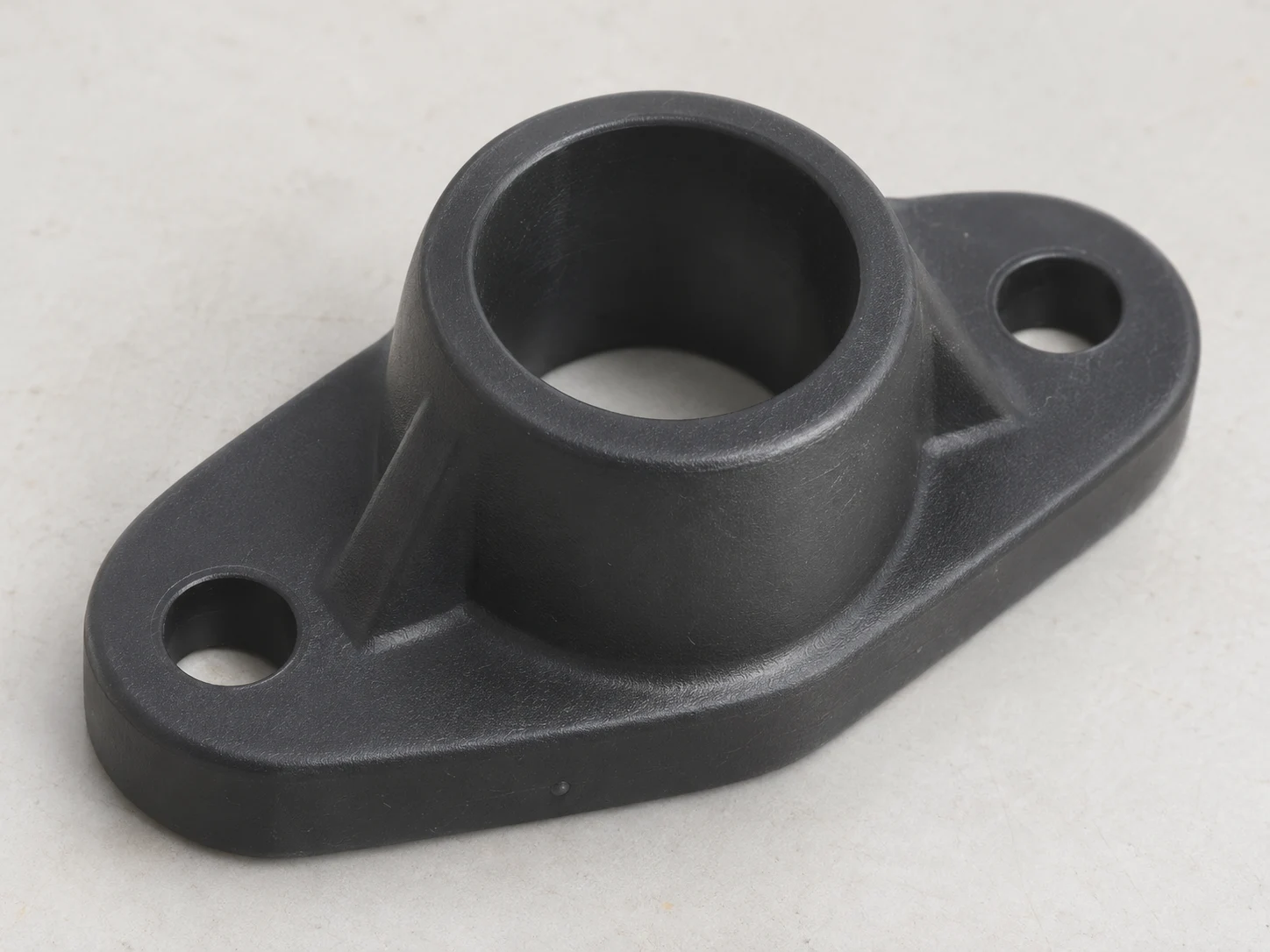
Plan visible and contact areas with a smooth tool surface. Agree on gloss using molded samples of the selected PA6 grade and reinforcement.

Use texture for grip zones or visible appearance while reviewing draft and cleaning requirements. Assess fiber exposure and flow markings separately in specified cosmetic areas.

Review natural or custom color with the PA6 grade and additive package. Color, glass fiber and stabilizers can affect appearance and documentation; manage them through the specified formulation and approved samples.
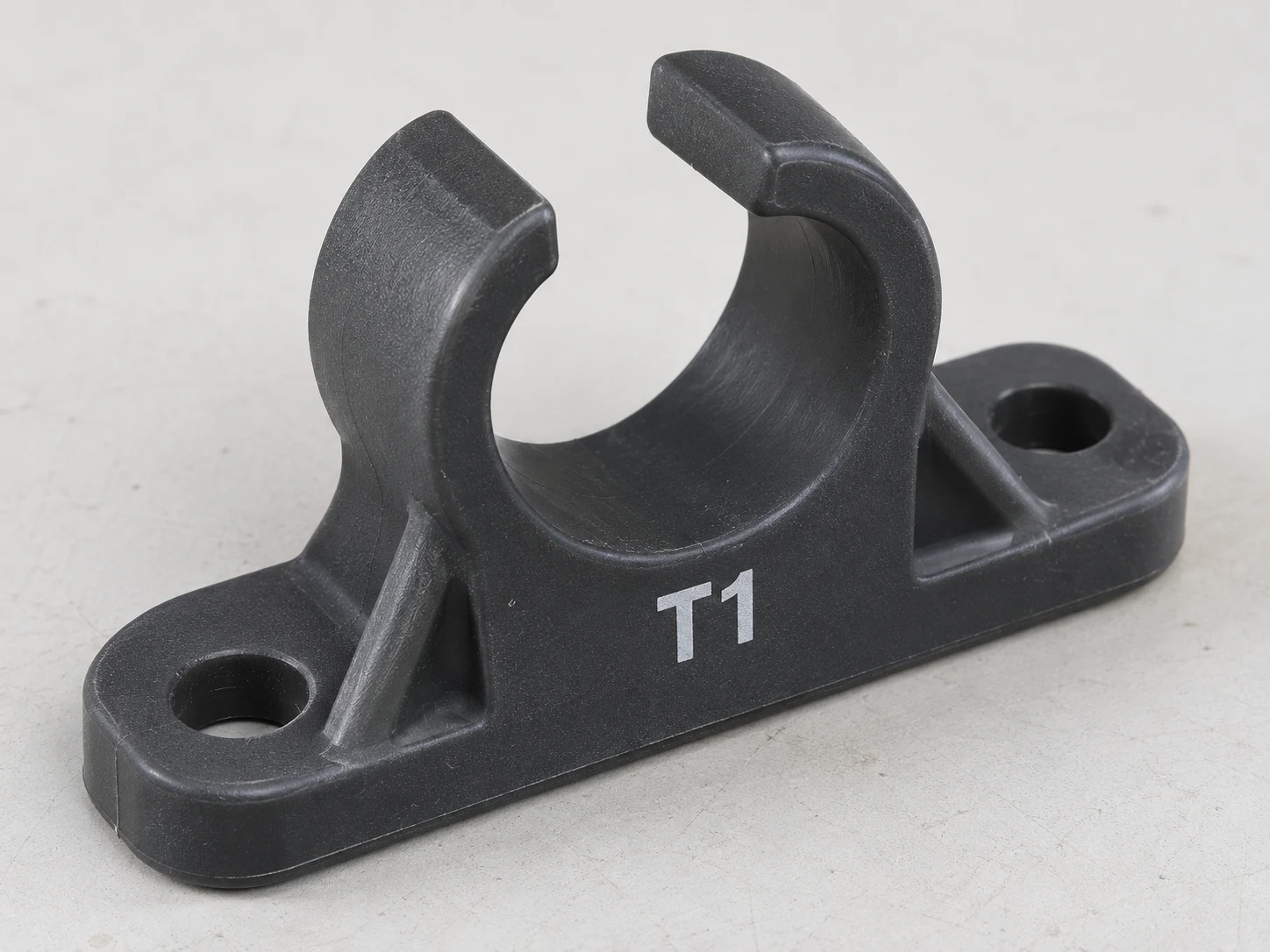
Review the marking process and ink for adhesion and cleaning resistance on the selected PA6. Include conditioning, fillers and surface condition in sample validation.
Define dimensional, fit, cosmetic and functional acceptance separately. For moisture-sensitive parts, record conditioning method, environment and measurement timing. Validate gears or clips under the relevant loads and assembly method.
These typical values and processing recommendations are from the CAMPUS datasheet for BASF Ultramid B3S, a PA6 injection-molding grade. Compare the dry and conditioned columns against the moisture state required for your part.
| Property | Typical value | Method / condition |
|---|---|---|
| Density | 1,130 kg/m³ | ISO 1183 |
| Tensile modulus, dry / conditioned | 3,500 / 1,200 MPa | ISO 527 |
| Yield stress, dry / conditioned | 90 / 45 MPa | ISO 527 |
| Notched Charpy impact, dry / conditioned | 4 / 50 kJ/m² | ISO 179/1eA; +23°C |
| Molding shrinkage, parallel | 0.9% | ISO 294-4, 2577 |
| Molding shrinkage, normal | 0.9% | ISO 294-4, 2577 |
| Property | Typical value | Method / conditions |
|---|---|---|
| Melting temperature | 220°C | ISO 11357-1/-3; 10°C/min |
| Heat deflection temperature | 65°C | ISO 75-1/-2; 1.80 MPa |
| Drying | 80°C; 4 h | Supplier processing recommendation |
| Maximum allowed water content | 0.15% | Supplier processing recommendation; before molding |
| Melt-processing temperature | 250–270°C | Supplier injection-molding recommendation range |
| Mold temperature | 40–60°C | Supplier injection-molding recommendation range |
| Water absorption, published value | 9.5% | Sim. to ISO 62; exposure duration not shown on the page |
Paired results are listed dry first and conditioned second. Use the 40–60°C recommended mold range to plan trials. The 80°C mold condition applies to test-specimen preparation. Review HDT against the test load, then check fit and temperature requirements on parts conditioned for service.
Reference grade: BASF Ultramid B3S, CAMPUS datasheet. Read on 2026-10-20; no document revision date was displayed.
Connect the PA6 grade, loads and temperature/humidity requirements in one review, identifying which properties need dry or conditioned validation.
Connect gates and cooling, trial samples and production needs through our group manufacturing resources, reducing information gaps between stages.
Define sample criteria around clips, gear features, mating clearances and exposure, so acceptance includes the part function.
Translate drawings, conditioning and measurement requirements into project checks throughout quotation, sampling and batch acceptance.
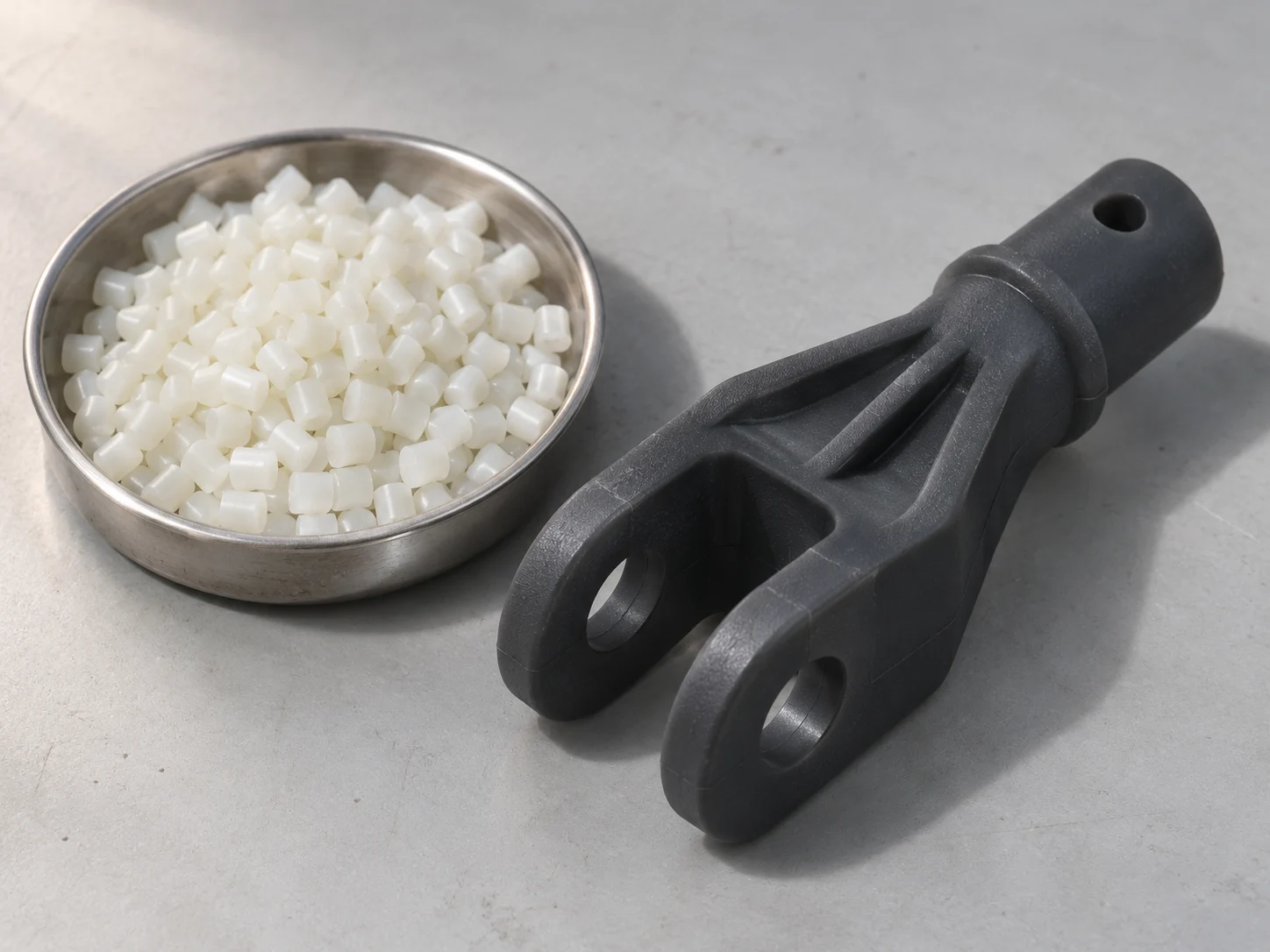
Nylon 6, or polyamide 6 (PA6), is a semi-crystalline engineering thermoplastic. It can serve molded structural parts requiring toughness, stiffness or wear performance, with behavior determined by the grade and service conditions.
PA6 absorbs moisture from its environment, so dry data, conditioned samples and actual service states are not interchangeable. Compare unfilled, glass-filled, impact-modified and other formulations as separate material choices.
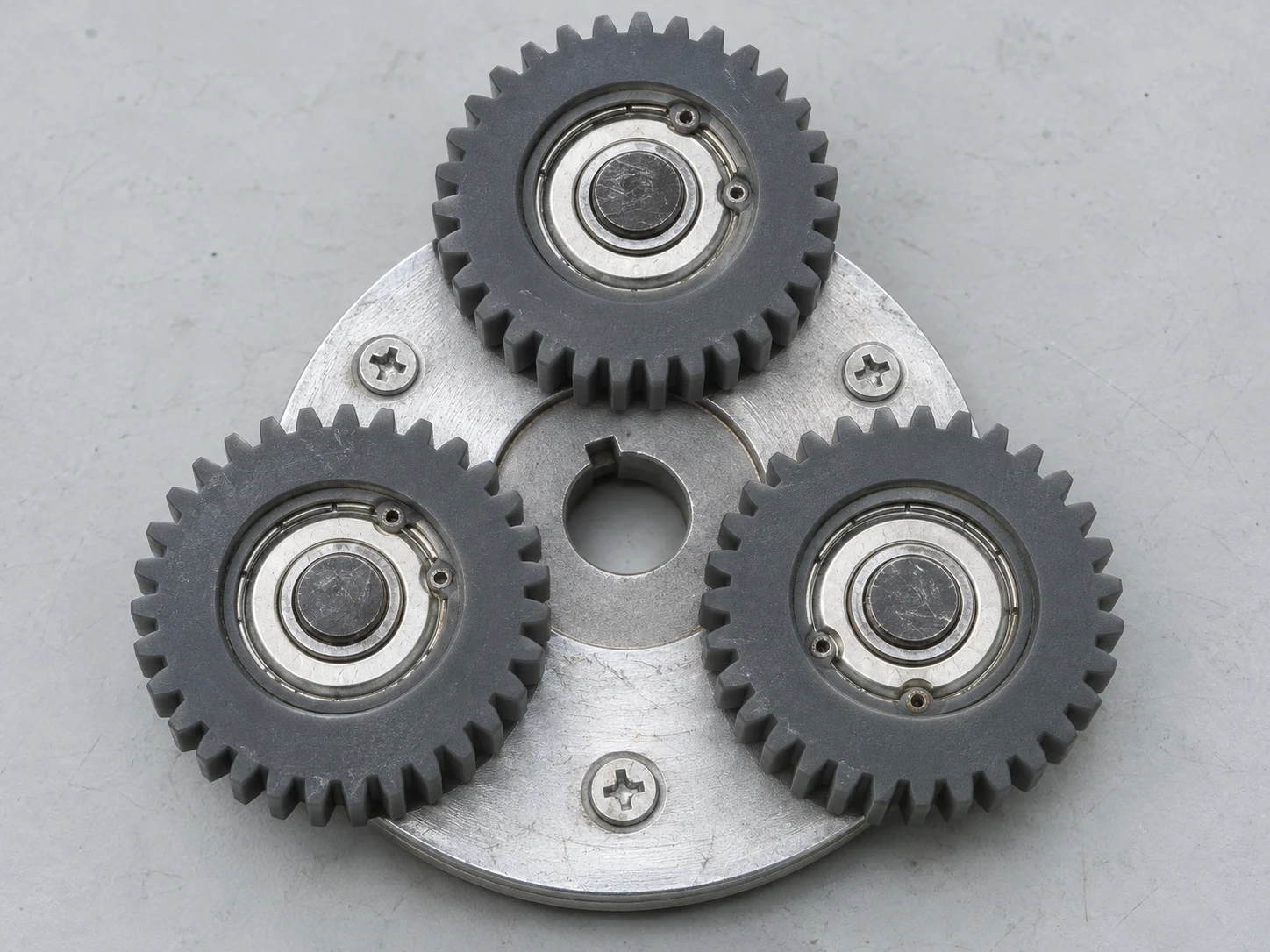
Evaluate PA6 for tooth geometry, meshing clearance, loads and mating surfaces. Validate dimensions, wear and noise under actual humidity and service conditions.
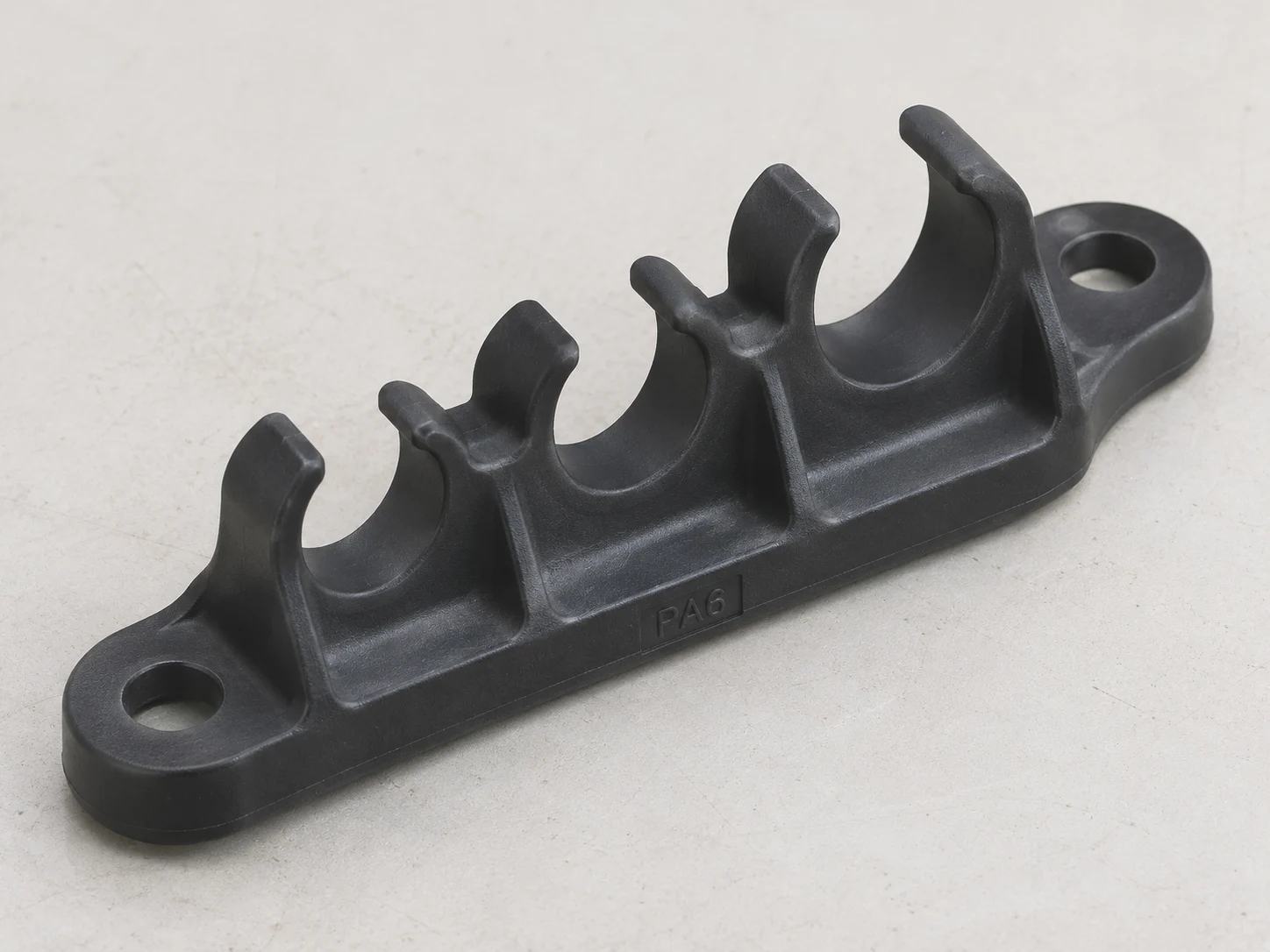
Review PA6 saddles, mounting ears and harness bend space. Confirm retention for vibration, temperature, humidity and assembly pull using the selected grade and finished samples.
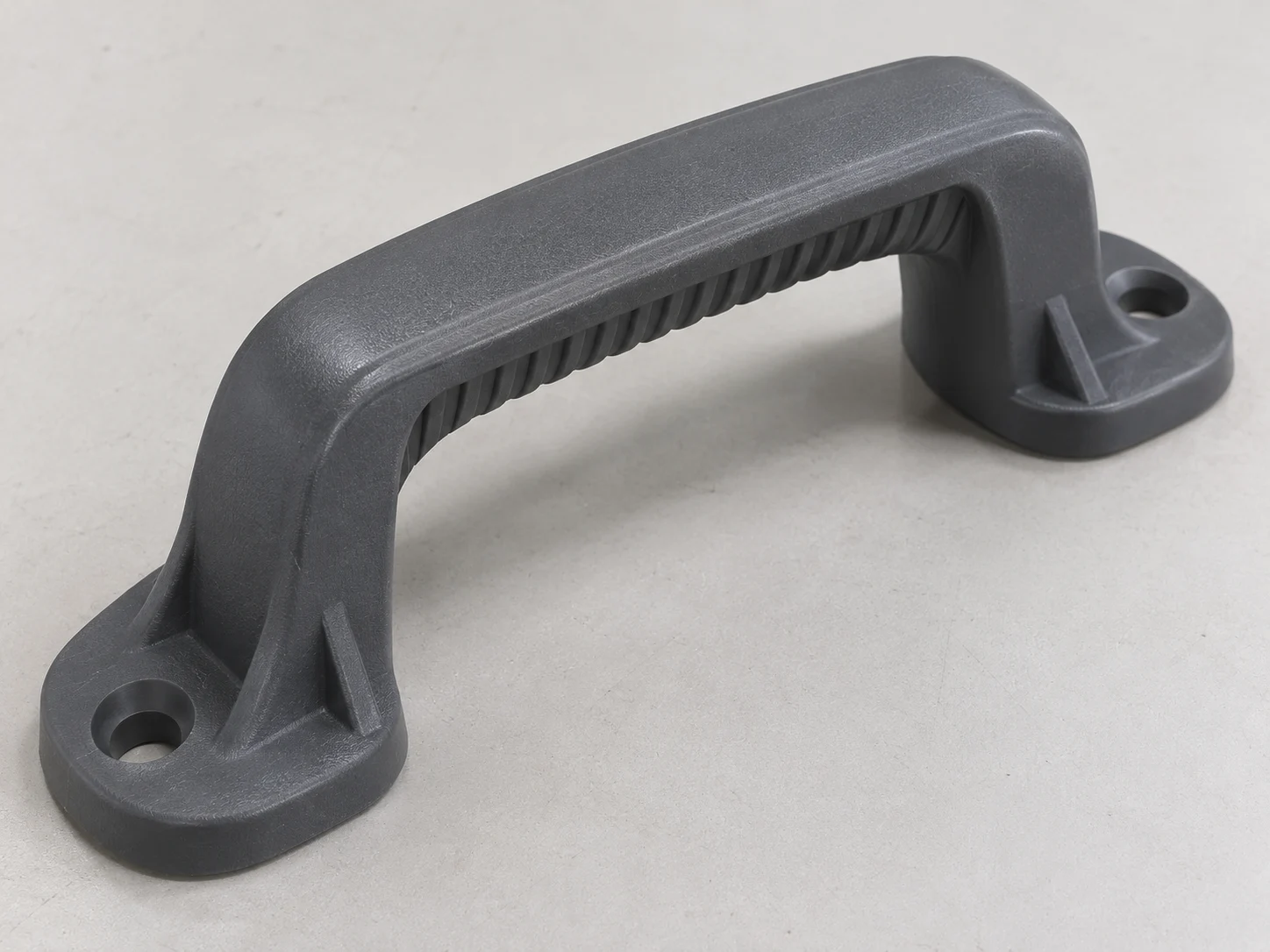
Evaluate stiffness, impact and fit around portable-instrument grips, mounting ends and fasteners. Validate conditioned fits together with service loads.
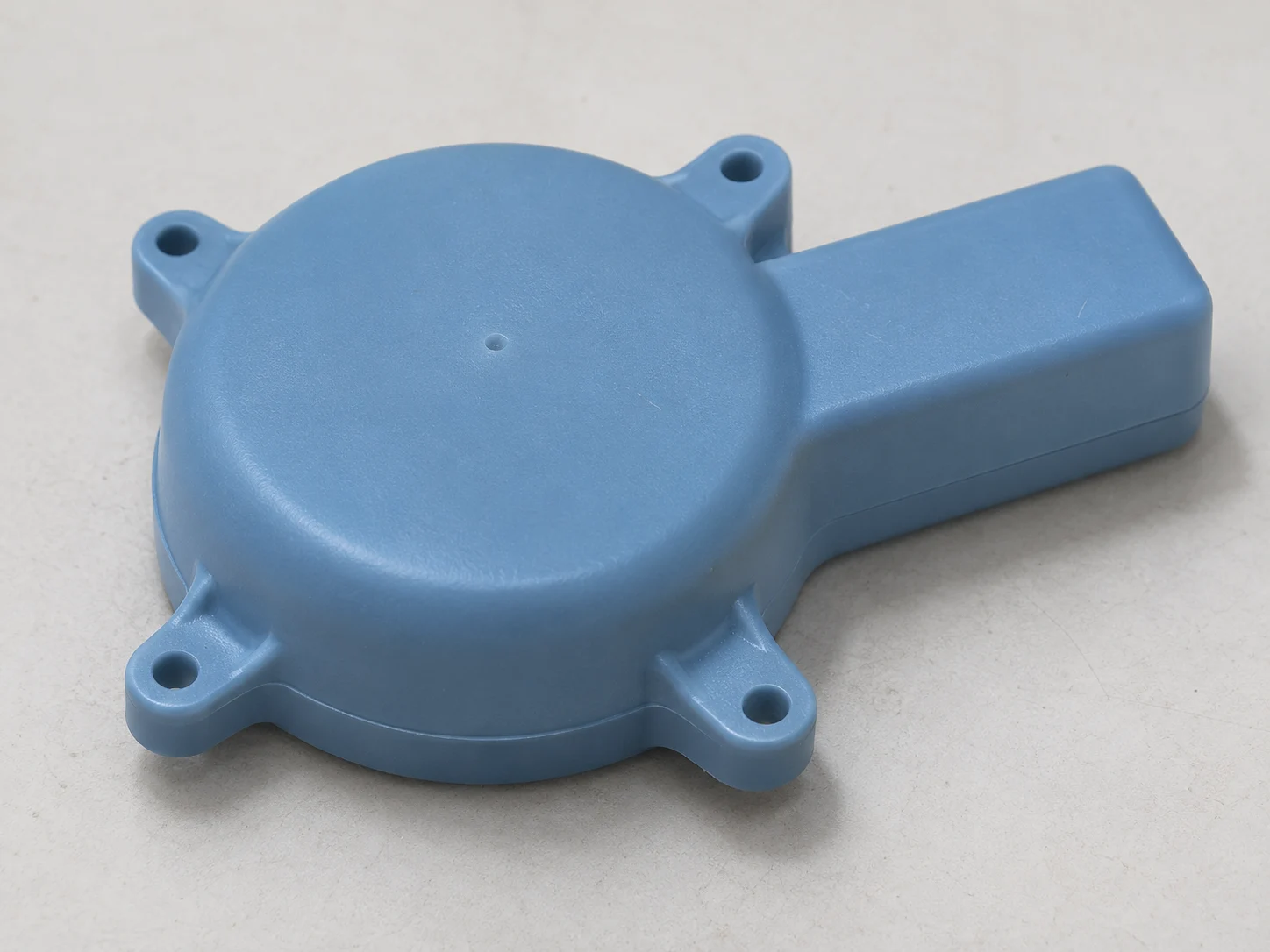
Review PA6 covers around circular chambers, wall transitions and mounting interfaces. Validate molded geometry for loads, temperature, humidity and assembly using relevant samples.
PA6 formulations provide options for gears, retainers and structural parts. Injection molding integrates mounting, clip and contact features; evaluate economics against tooling investment, design and demand.
Compare specific PA6 and PA66 grades under the expected temperature, humidity and chemical exposure. Use conditioned dimensions and retained stiffness when the part must hold its fit in service.
PA6 INJECTION MOLDING FAQ
PA6 grades, drying, conditioning, reinforcement and project questions.
Nylon 6 and PA6 identify the same polyamide type; PA66 is a different nylon. Both have unfilled and modified grades, so PA66 processing guidance or values must not be applied directly to PA6.
PA6 is hygroscopic, and pre-molding moisture affects processing quality. Supplier guidance for BASF Ultramid B3S specifies drying at 80°C for 4 hours and maximum water content of 0.15%. This is grade-specific guidance; account for storage and dry handling, and check instructions for other grades.
Drying controls moisture before processing; conditioning brings the molded part to an agreed moisture state. Moisture changes dimensions and mechanical behavior, so critical assemblies need defined conditioning, exposure and measurement timing.
No. Reinforced formulations can address stiffness targets, but toughness, appearance, wear contacts and directional shrinkage also matter. Compare grades with gates, flow and loads in mind, then confirm warpage and assembly with samples.
Compare stiffness, toughness, temperature and dimensional requirements under matching dry or conditioned states, including chemical exposure and cost. Use candidate-grade data and samples rather than deciding from a melting point or nylon name alone.
For gears, specify load, clearance and mating surfaces. For clips, specify deflection, assembly force and cycle count. Test molded samples at the expected humidity and temperature.
Provide CAD, drawings, quantity, grade or functional targets, plus reinforcement, temperature/humidity, fit and measurement condition. Quotation considers tooling, resin, cycle, secondary operations and acceptance scope. Approve dimensions, assembly, surfaces and agreed function separately.
Share your CAD, material, quantity, and key requirements. Our team will review your project and prepare a quote.
Request a Quote