

01
Sampling & Appearance Review
Use molded samples to check housing fit, clip operation and visible surfaces. Set separate acceptance checks for appearance, dimensions, assembly and impact.
Built for production.
Take your design from tooling to repeat production of custom plastic parts.
Manufacturing Capabilities
Plastic Injection MoldingCustom plastic parts for production Tooling & Design SupportPrepare your part design for tooling High-Volume ProductionPlan repeat runs around your delivery needsMaterials & Finishes
Made for smaller runs.
Produce resin parts with silicone molds for design validation and small batches.
Small-Batch Capabilities
Vacuum CastingResin parts made with silicone moldsLow-Volume ProductionFrom trial parts to small-batch deliveryAppearance & Fit ChecksPrepare multiple parts for product checksMaterials & Finishes
Other Services
Machining, printing, and supporting services for specific part needs.
Materials & Finishes
Explore material performance and appearance options separately.
Explore Materials & Finishes
Injection Molding Materials
Choose molding materials for strength, heat resistance and appearance.
Manufacturing Knowledge
Find articles, answers, and case studies to help prepare your project.
Start with your part requirements.
Contact PlasticHubs for help with quotes, files, delivery, and orders.
Files, Orders & Delivery
Industries
Explore manufacturing options for your product application.
Start with your manufacturing needs
From tooling to production of plastic parts.
Small batches of resin parts made with silicone molds.
Start with your design, material, and quantity.
Select an engineered PC/ABS grade for the impact, heat, flow and appearance needs of equipment housings. Review drying, heavy sections, weld lines and assembly stress with tooling and samples, connecting visible surfaces with structural function.
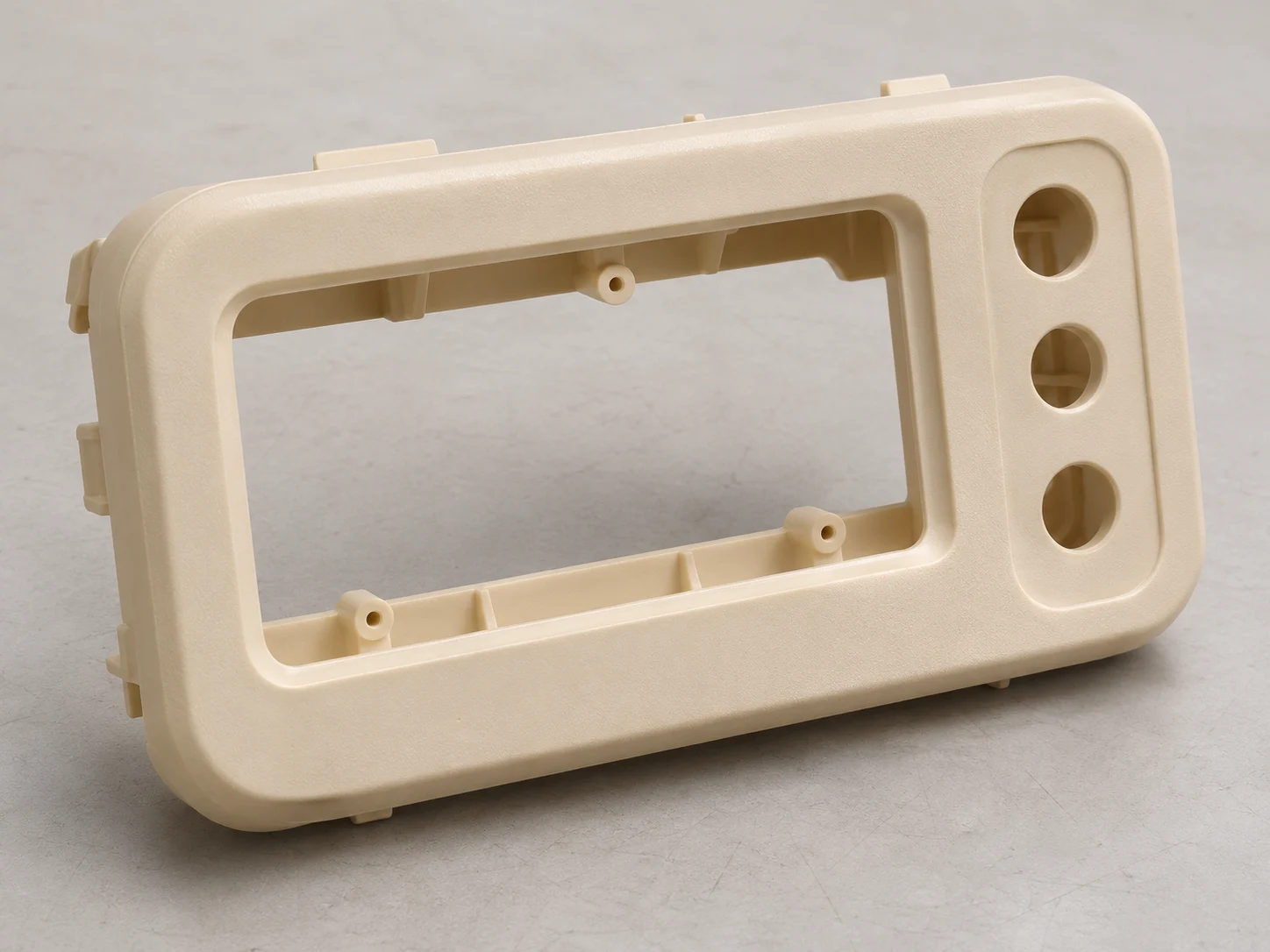
Describe impact, sustained temperature, visible surfaces and fastening. Add cleaners, outdoor exposure, color and any flame-rating documents so the quote can address the right PC/ABS grade.
Discuss your project ↗Use molded samples to check housing fit, clip operation and visible surfaces. Set separate acceptance checks for appearance, dimensions, assembly and impact.
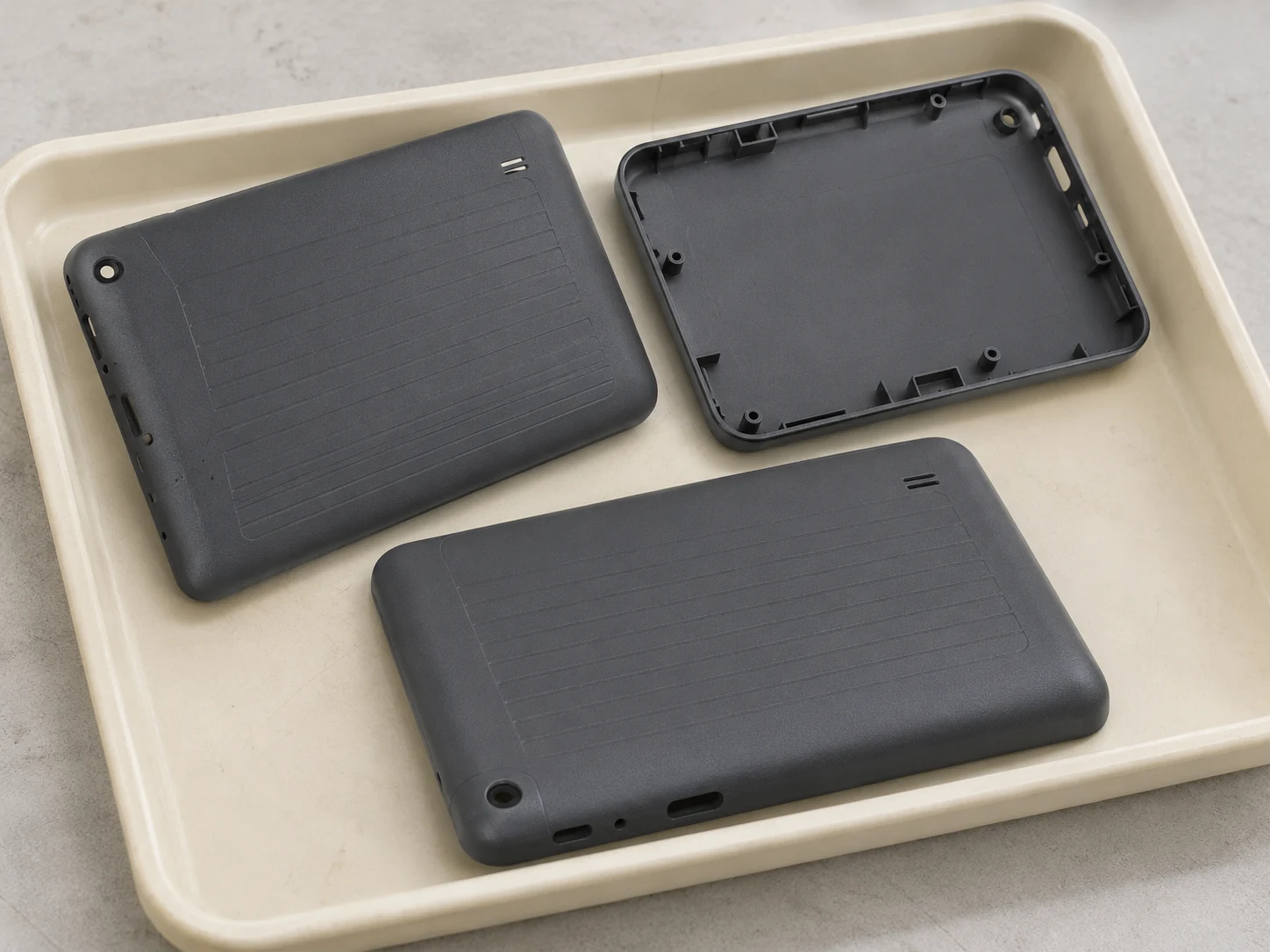
Connect resin lots, drying, mold temperature and cooling with cosmetic criteria. Use approved samples to define color variation, sink, weld lines and subsequent batch checks.
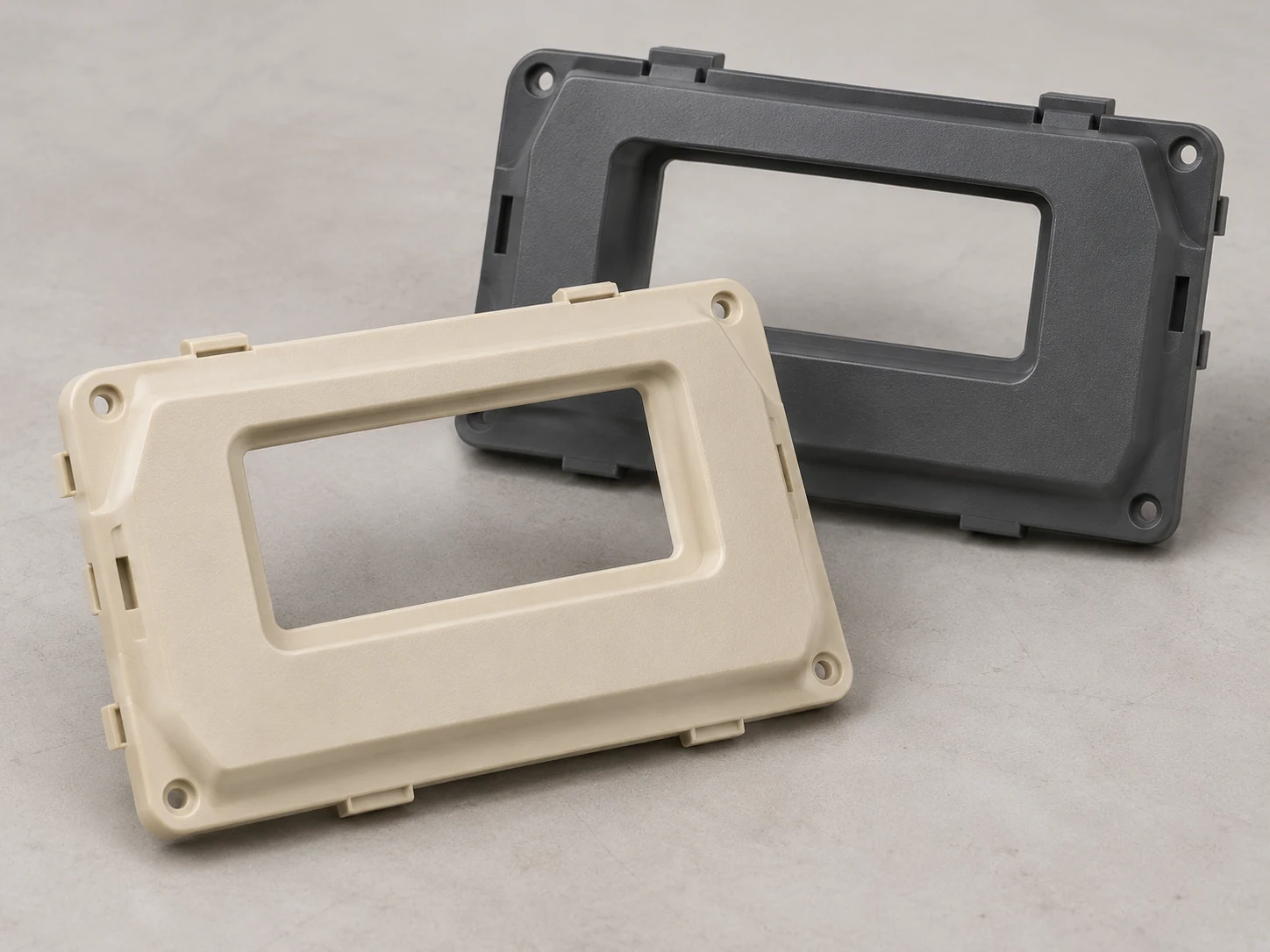
Compare supplier-compounded grades by heat, impact, flow and color. Include the full grade and required documentation for flame-retardant and other modified formulations.
Share your drawings, quantity, visible surfaces and heat or impact requirements.
| Item | Project review |
|---|---|
| Grade & exposure | Select formulation for heat, impact, cleaners and rating documents |
| Material & drying | Use the specified compounded grade with controlled drying, storage and feeding |
| Tooling & appearance | Coordinate gates, heavy sections, texture and weld-line locations |
| Dimensions & assembly | Agree on datums, flatness, clips and fastening conditions |
| Surfaces & secondary operations | Review molded color, texture and ink/coating adhesion compatibility |

Control drying and moisture to the engineered-grade instructions while checking residence, shear and contamination. Splay, discoloration or performance issues can have multiple causes; one temperature or drying-time adjustment is not a universal fix.
Review bosses, ribs and transitions for packing, cooling and appearance. Use coring and coordinated features to control material buildup, with sample-based sink criteria in visible zones.
Match gates and flow to visible and loaded areas, including venting, weld lines and local gloss. Texture needs suitable draft and does not replace filling or strength validation.
Review clips, screws, interference fits and residual stress together with cleaners, inks or coatings for cracking risk. An undamaged appearance does not replace validation after assembly and exposure.
Define molded surfaces, resin color and secondary markings first, then review adhesion and exposure for the specific PC/ABS formulation. Visible zones need approved samples and viewing conditions.
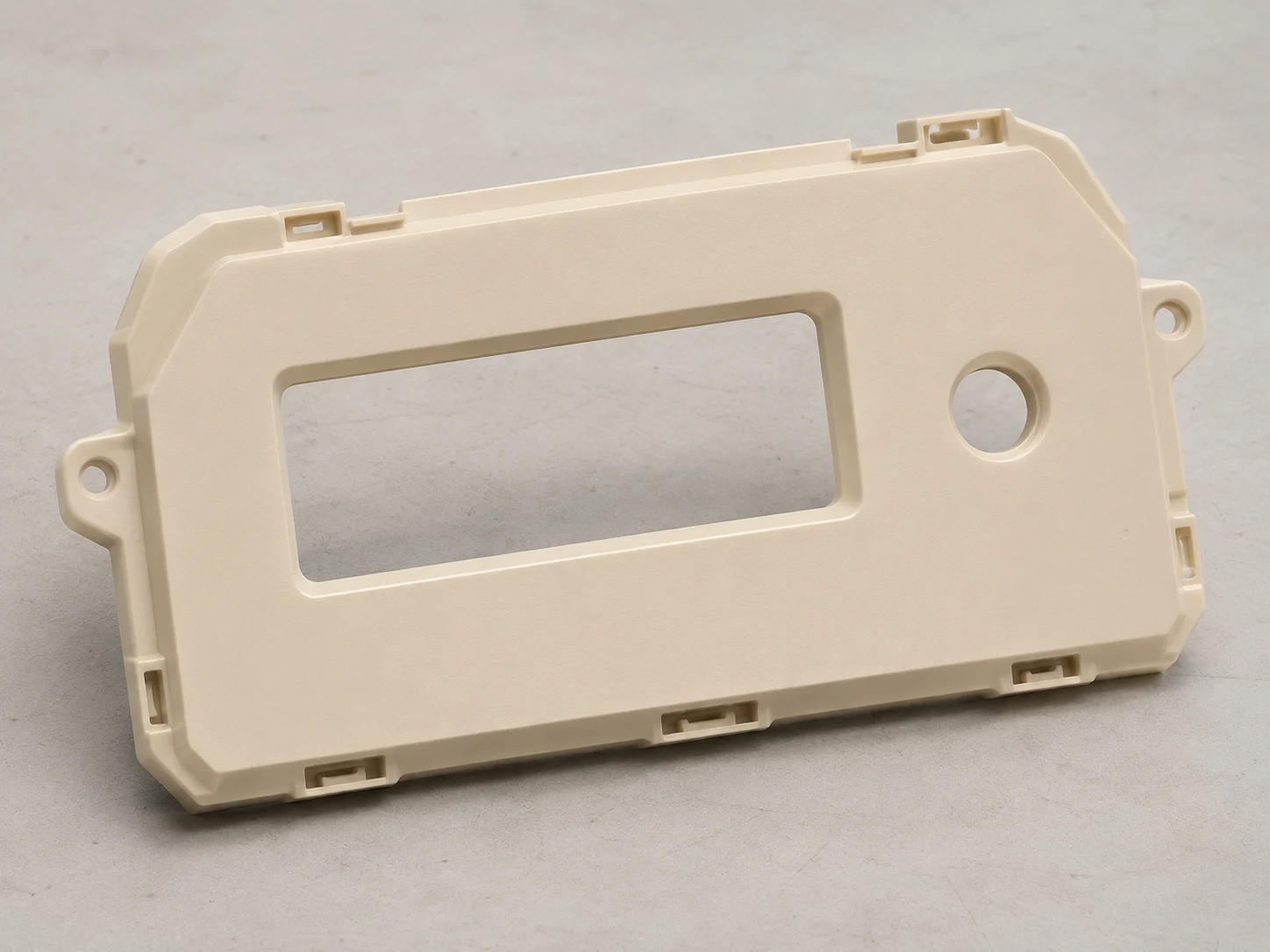
Plan smooth visible areas with the tool finish, flow path and sink-prone sections in mind. Agree on local gloss using molded samples of the selected grade and color.
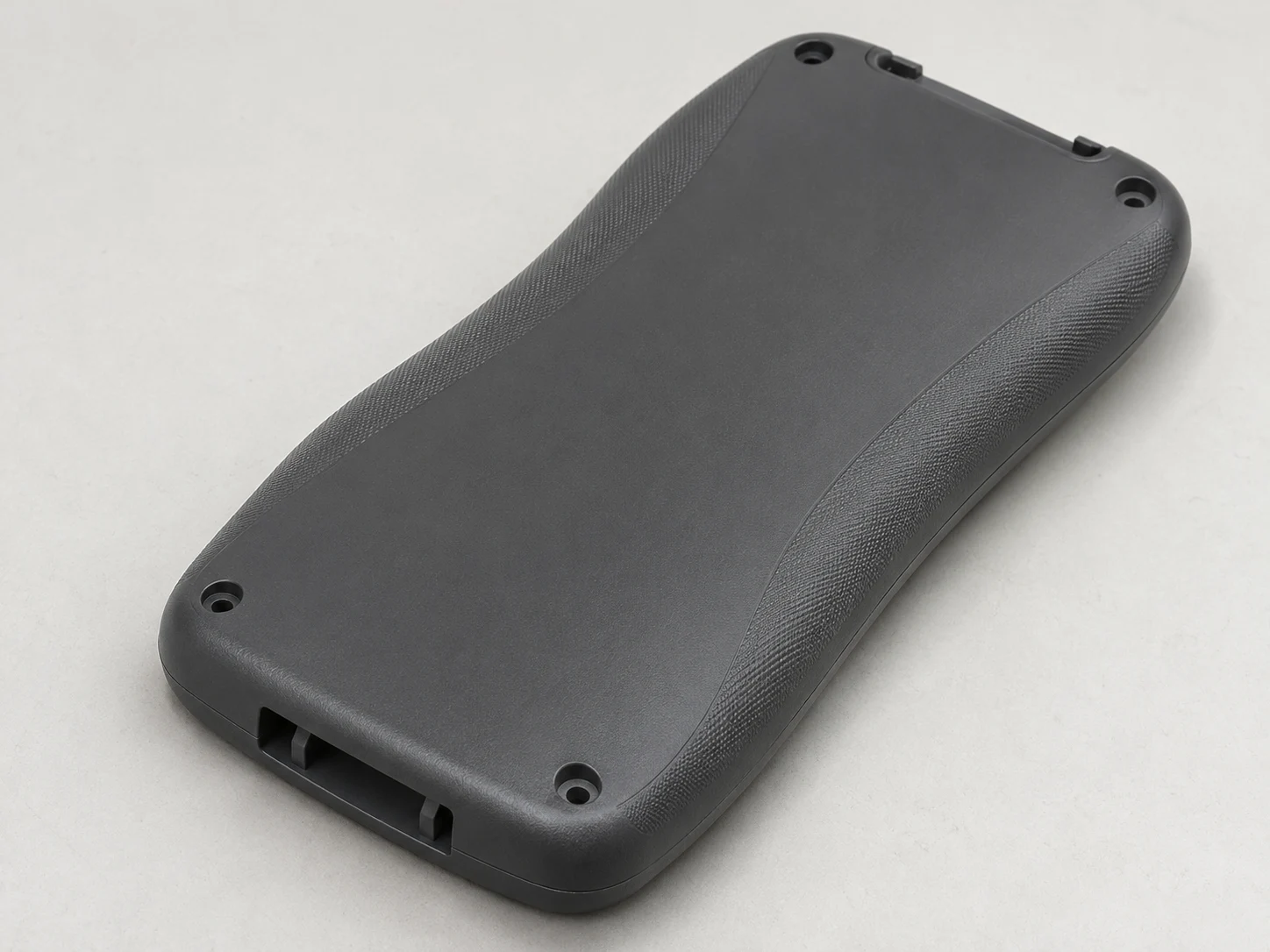
Plan texture for grip or housing surfaces with draft and visible zones defined. Check consistency, weld lines and local gloss with samples rather than assuming texture hides every defect.
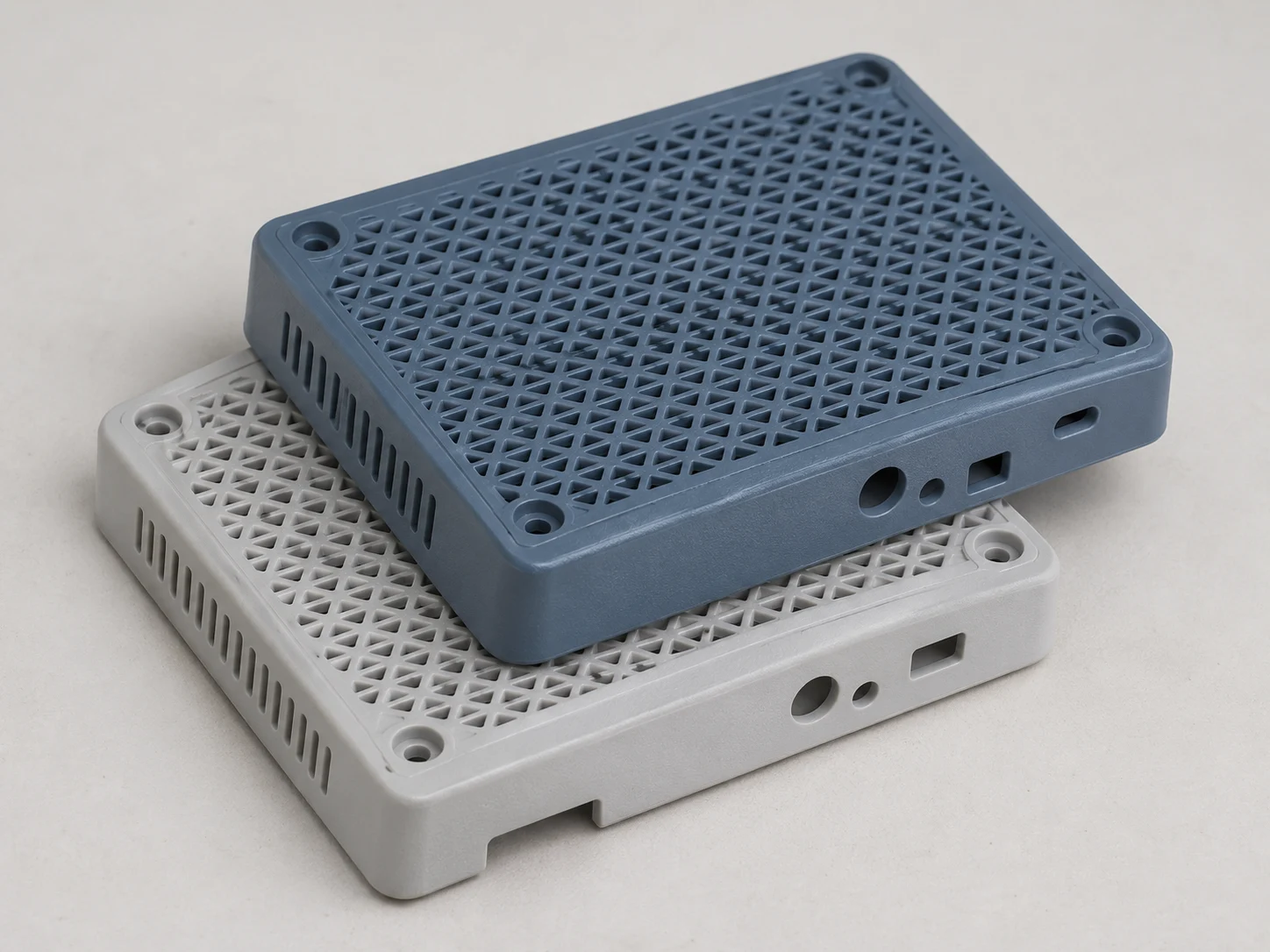
Manage color with the PC/ABS compounded grade and approved samples. Recheck appearance, documents and rating scope after color changes rather than assuming equivalent formulations.

Check ink and surface preparation against the PC/ABS grade. Validate adhesion, cleaning and exposure with samples, including cracking under assembly stress. Painting likewise needs its own review.
Agree on viewing conditions and limits for color, sink and weld lines. Verify dimensions, flatness and fit, and specify separate tests or documentation for impact, heat, chemicals and ratings.
These typical values and processing recommendations are for Covestro Bayblend T65 XF. Mechanical entries follow the 23°C / 50% RH conditions. Compare Izod and Charpy results using their respective test methods.
| Property | Typical value | Method / conditions |
|---|---|---|
| Density | 1,130 kg/m³ | ISO 1183-1 |
| Melt volume-flow rate, MVR | 18 cm³/10 min | ISO 1133-1; 260°C / 5 kg |
| Tensile modulus | 2,350 MPa | ISO 527-1,-2; 1 mm/min |
| Yield stress | 54 MPa | ISO 527-1,-2; 50 mm/min |
| Notched Izod impact | 48 kJ/m² | ISO 180/A; 23°C |
| Notched Charpy impact | 50 kJ/m² | ISO 179-1/1eA; 23°C |
| Property | Typical value | Method / conditions |
|---|---|---|
| Vicat softening temperature | 120°C | ISO 306; 50 N; 120°C/h |
| Heat deflection temperature, 1.80 MPa | 102°C | ISO 75-1,-2; 1.80 MPa |
| Heat deflection temperature, 0.45 MPa | 122°C | ISO 75-1,-2; 0.45 MPa |
| Dry-air drying | 95–110°C; 4 h | Supplier drying guidance for this grade |
| Maximum moisture content | ≤0.02% | Supplier processing guidance for this grade |
| Standard melt temperature | 260°C | Bayblend T65 XF standard injection melt temperature |
| Mold temperature | 70–90°C | Bayblend T65 XF injection mold range |
HDT and Vicat describe different heat tests. Use the processing temperatures to plan tool trials. For the finished part, confirm flame, outdoor and chemical requirements for the selected grade, color, geometry and service conditions.
Reference grade: Covestro Bayblend T65 XF (source name Bayblend® T65 XF), official product page. Read on 2026-10-20; no document revision date was displayed.
Review impact, temperature, visible surfaces and cleaning exposure together to define the engineered grade and acceptance targets.
Connect gates, heavy sections, tool surfaces and sample requirements through our group manufacturing resources, reducing gaps between stages.
Check color, texture and sink separately from clips, screws and flatness so samples address both appearance and function.
Connect quotation, tool trials and subsequent batches through the full grade, approved samples and clear inspection conditions.
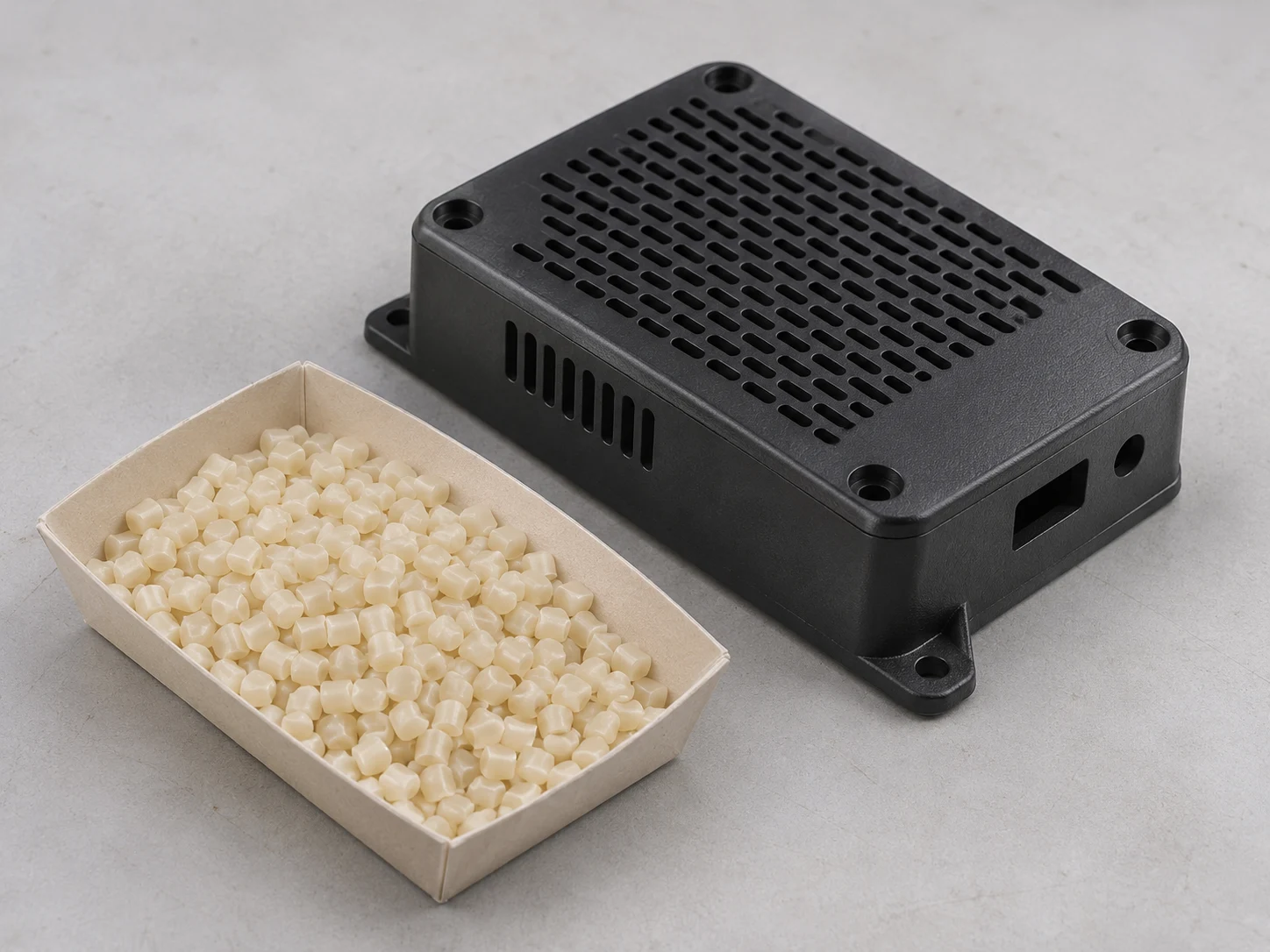
PC/ABS is an engineering thermoplastic blend of polycarbonate and ABS. Supplier formulations balance heat, impact, flow and appearance; the result is not a simple average of pure-PC and pure-ABS data.
Use a specified compounded grade rather than interpreting PC/ABS as an arbitrary on-site mixing ratio. General-purpose, flame-retardant, outdoor and other modified options need separate color, thickness, documentation and exposure checks.
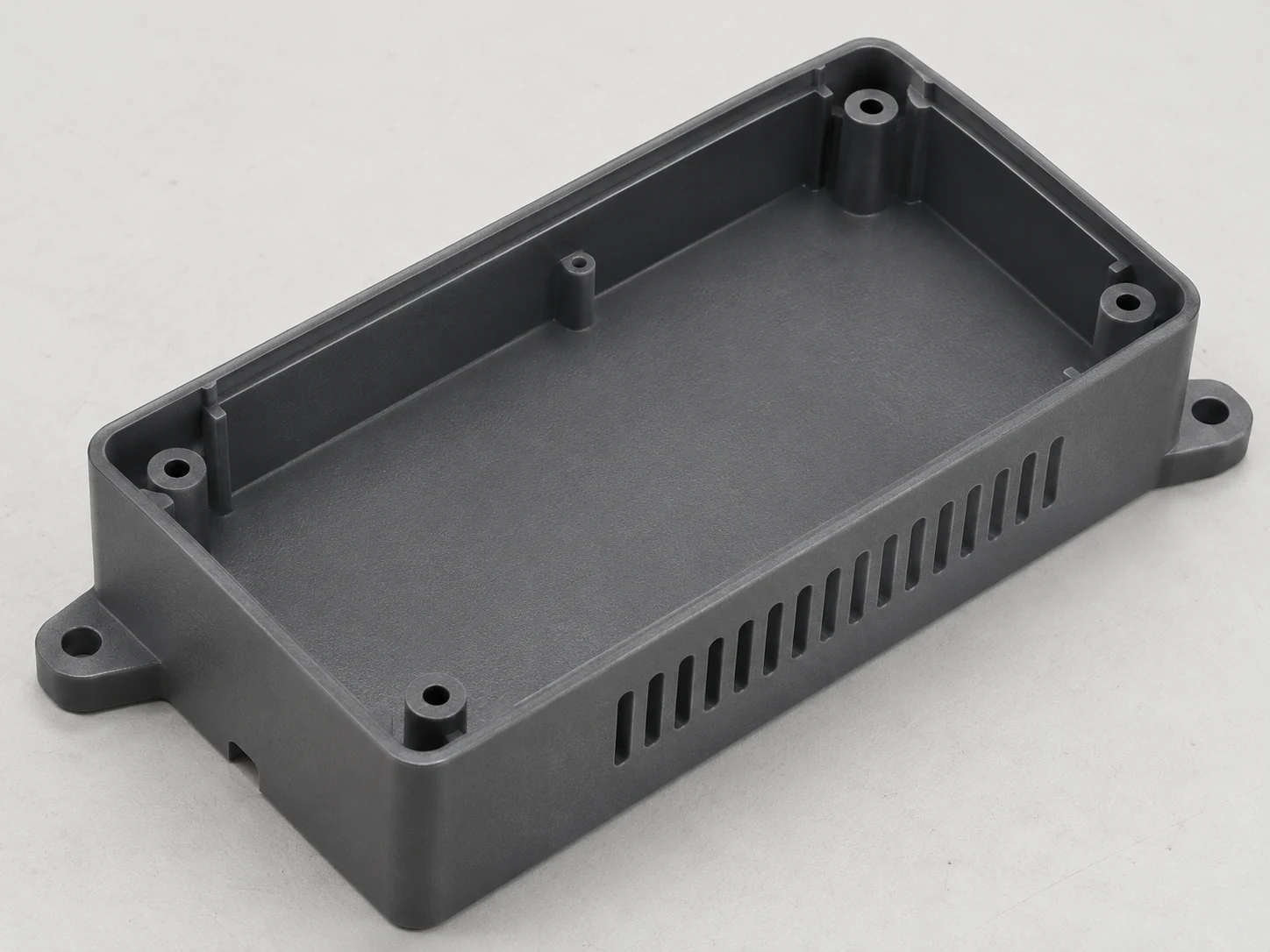
Review flow, appearance and dimensions around ventilation grids, interface openings and mounts. Validate temperature, impact and exposure requirements for the grade and design.
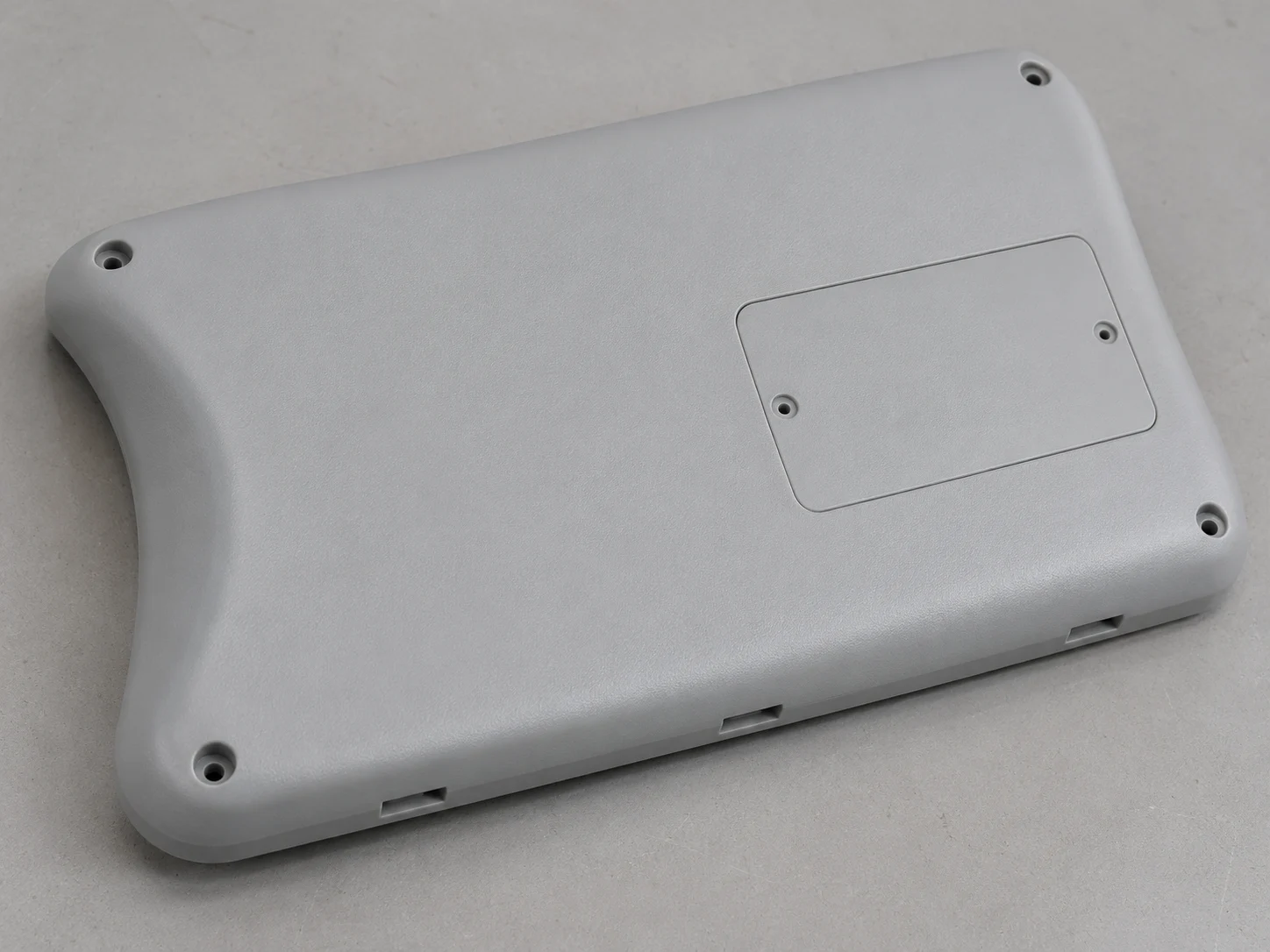
Review portable-instrument cover walls, mounts, service openings and grip areas. Confirm the PC/ABS grade and sample acceptance for drop exposure, cleaning conditions and appearance requirements.
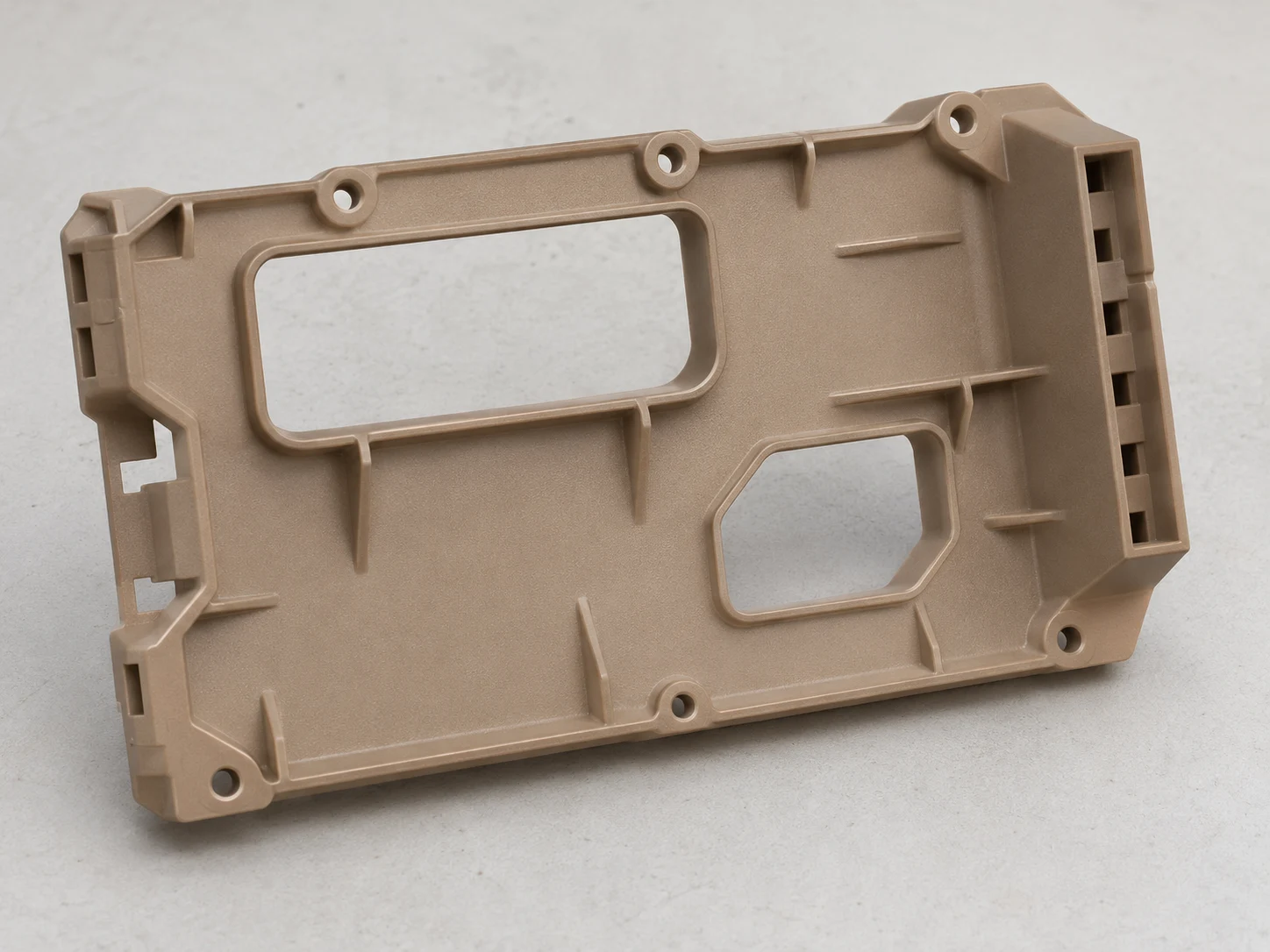
Plan local walls and loads around windows, holes and fastening areas. Check wall thickness, assembly and appearance against the drawing and specified resin.
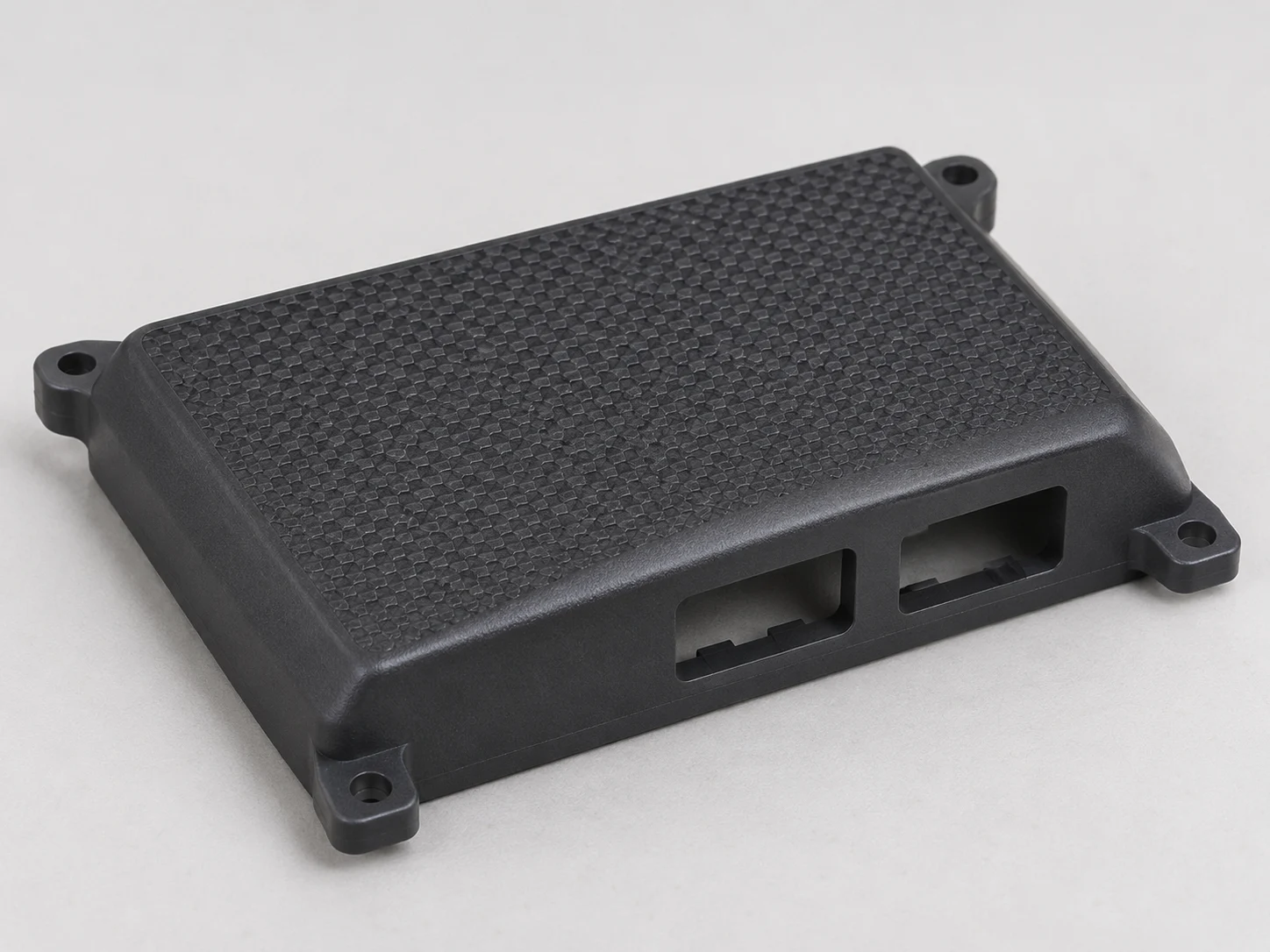
Review local enclosure features around interfaces, joints and mounting points. Check fits, fasteners and visible zones against the assembly requirements and service conditions.
Engineered PC/ABS grades provide options for impact, heat and flow in cosmetic housings. Molding integrates clips, bosses, interfaces and texture; assess economics against tooling, formulation and acceptance scope.
For outdoor use, cleaners, solvents, sustained stress or painting, compare the selected grade’s weathering, chemical compatibility and flame documentation. Test the stressed or coated areas on samples.
PC/ABS INJECTION MOLDING FAQ
Engineered grades, drying, appearance, assembly stress and exposure questions.
Specify a supplier-compounded grade. Its compatibility and additive systems influence flow, impact, heat and ratings. Use the full grade designation for procurement, tooling trials and documentation.
Compare specific grades for temperature, impact, flow, appearance, exposure and cost. PC/ABS is a formulation tradeoff, not a material that outperforms both constituents in every condition; pure-ABS or pure-PC settings do not carry over automatically.
Use the selected compounded grade’s instructions. Official Bayblend T65 XF guidance lists dry-air drying at 95–110°C for 4 hours and maximum moisture ≤0.02%, with controlled feeding and storage. Investigate contamination, shear and residence history too rather than attributing every cosmetic defect to drying.
Review walls, rib/boss buildup, gates, packing, venting and cooling together. Mark visible and loaded areas and agree on appearance through trials and samples. Texture or increased pressure is not a universal fix.
Check the grade, chemistry, contact time and molding or assembly stress together. Validate clips, screws, interference fits and coatings after exposure to the specified cleaners.
Specify the outdoor exposure and required flame rating in the RFQ. Check documentation for the selected formulation, color and thickness, then validate weathering and the finished use separately.
Share CAD, drawings, quantity, grade or performance targets, color and visible-zone criteria, including assembly, temperature, cleaning and rating documents. Tooling, resin, cycle and inspection scope affect quotation; approve appearance, dimensions and agreed function separately.
Share your CAD, material, quantity, and key requirements. Our team will review your project and prepare a quote.
Request a Quote