
01
Prototype & Bridge Production
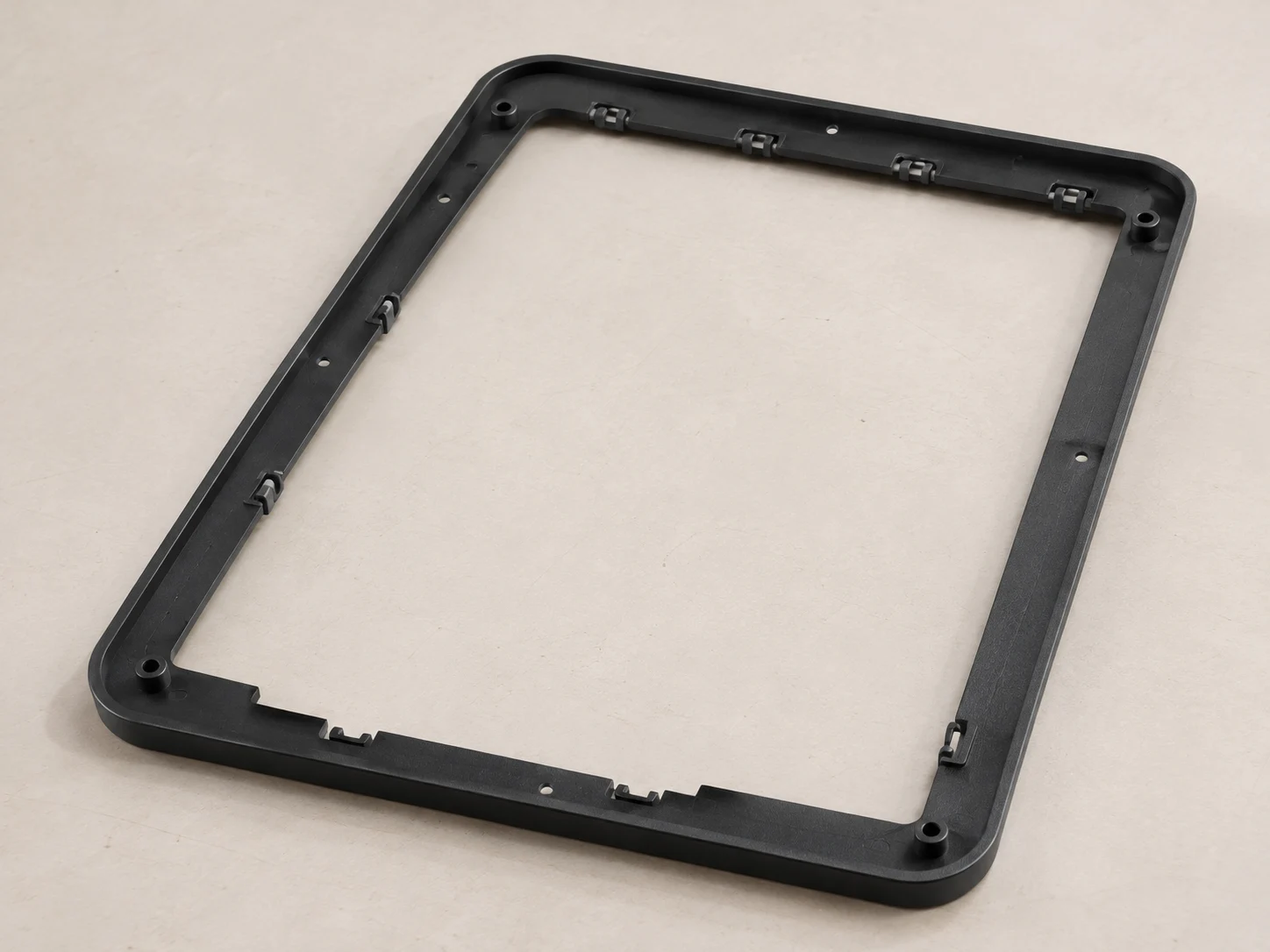
Use molded samples to check clips, mounting interfaces, stiffness and appearance. Choose tooling around design maturity, revisions and expected follow-on demand.
Built for production.
Take your design from tooling to repeat production of custom plastic parts.
Manufacturing Capabilities
Plastic Injection MoldingCustom plastic parts for production Tooling & Design SupportPrepare your part design for tooling High-Volume ProductionPlan repeat runs around your delivery needsMaterials & Finishes
Made for smaller runs.
Produce resin parts with silicone molds for design validation and small batches.
Small-Batch Capabilities
Vacuum CastingResin parts made with silicone moldsLow-Volume ProductionFrom trial parts to small-batch deliveryAppearance & Fit ChecksPrepare multiple parts for product checksMaterials & Finishes
Other Services
Machining, printing, and supporting services for specific part needs.
Materials & Finishes
Explore material performance and appearance options separately.
Explore Materials & Finishes
Injection Molding Materials
Choose molding materials for strength, heat resistance and appearance.
Manufacturing Knowledge
Find articles, answers, and case studies to help prepare your project.
Start with your part requirements.
Contact PlasticHubs for help with quotes, files, delivery, and orders.
Files, Orders & Delivery
Industries
Explore manufacturing options for your product application.
Start with your manufacturing needs
From tooling to production of plastic parts.
Small batches of resin parts made with silicone molds.
Start with your design, material, and quantity.
Plan PC molded parts around impact resistance, dimensional stability and clear or opaque appearance. Connect resin grade, operating temperature and assembly loads with tooling, visible surfaces and sample validation.

Share the use, loading, temperature, cleaning agents and outdoor exposure. Identify clear areas, color, flame requirements and required documentation so the PC grade can be matched to tooling, production and inspection.
Discuss your project ↗Use molded samples to check clips, mounting interfaces, stiffness and appearance. Choose tooling around design maturity, revisions and expected follow-on demand.
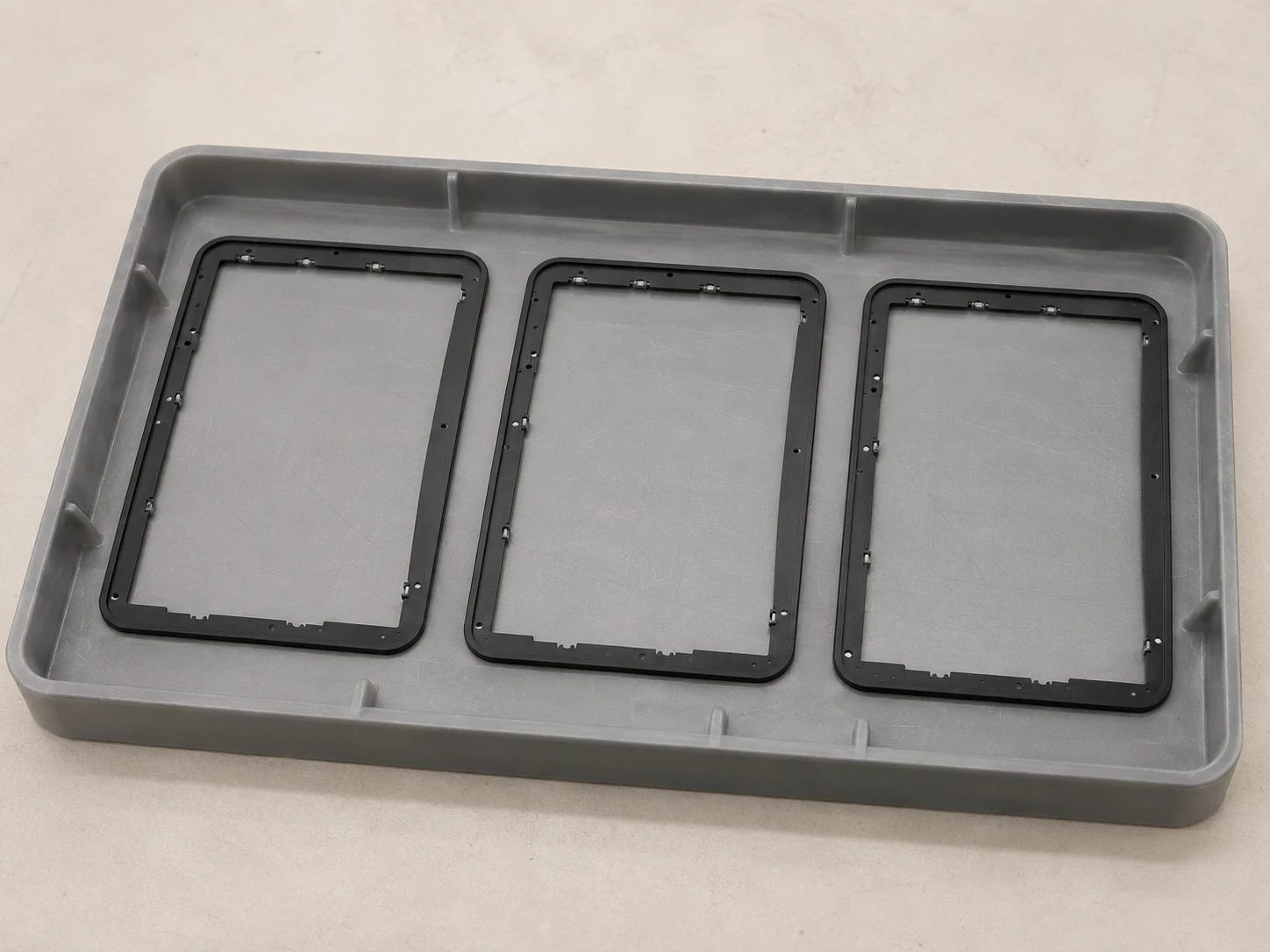
Plan resin, cavities, color, processing conditions and dimensional datums together. Connect tool trials with production acceptance through approved samples.

Distinguish general-purpose, clear, UV-stabilized and modified PC grades. Glass fiber, flame-retardant and release packages affect appearance and performance; select them for the actual application.
Share your drawings, quantity and impact, thermal or clear-part requirements.
| Item | Project review |
|---|---|
| Material & color | Select the grade for optical, thermal and service requirements |
| Tooling & cavities | Review geometry, demand and visible surfaces |
| Critical dimensions | Agree on datums, tolerances and measurement methods |
| Sampling & production | Approve trial samples and cosmetic and functional criteria |
| Surfaces & secondary operations | Distinguish molded surfaces, coatings and printing; review compatibility |
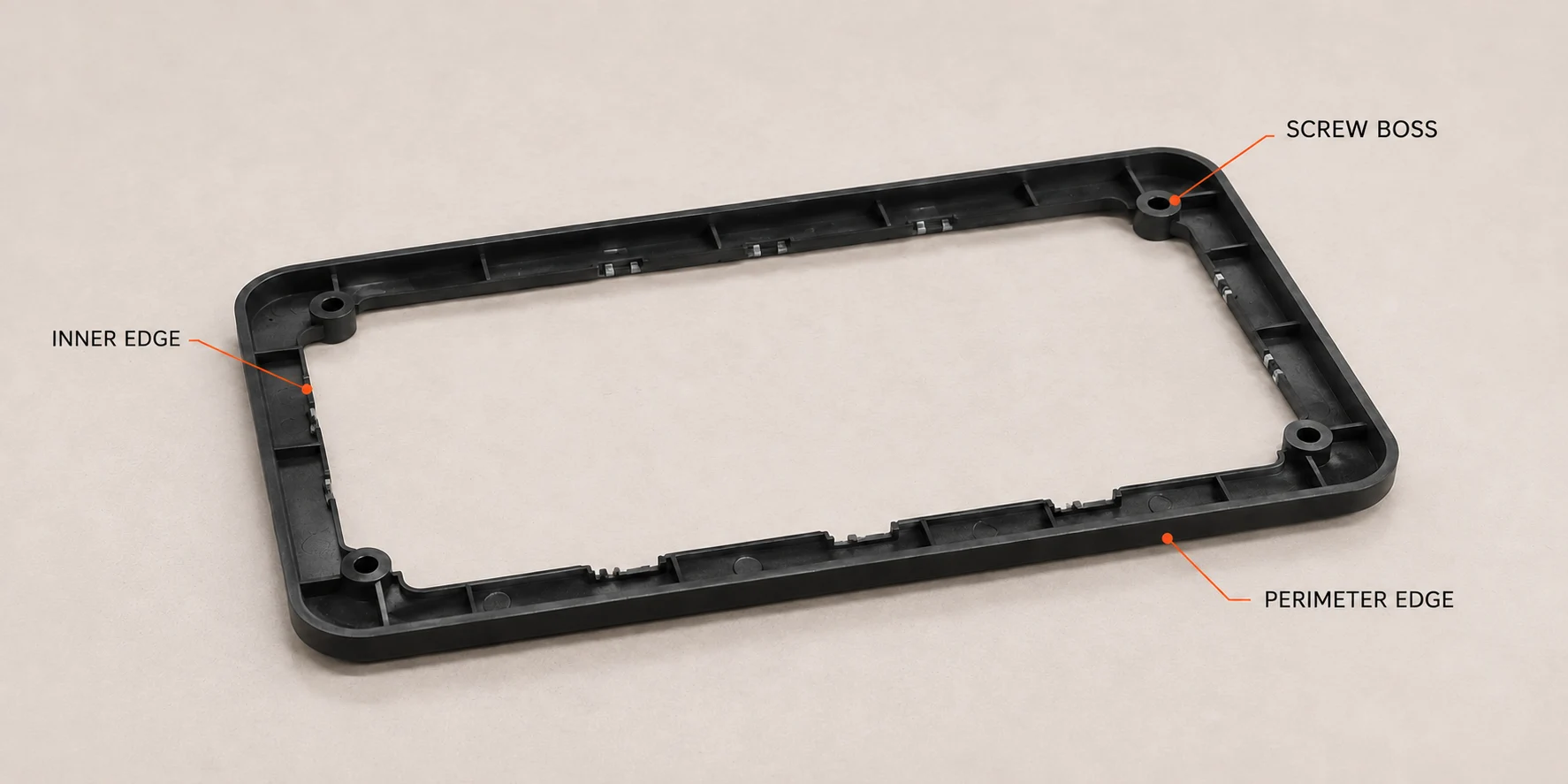
Review wall sections, thin features and long flow paths against the grade’s flow behavior. Evaluate transitions and thick areas for filling, sink and cooling.
Control drying and moisture against supplier guidance to reduce splay and moisture-related degradation. Maintain dry handling between conditioning and molding.
Review gate position, packing, cooling and demolding for residual stress. Check snap-fits, screws and interference fits against assembly loads and chemical exposure.
Mark viewing areas, gate exclusions and weld-line-sensitive zones. Agree on black specks, scratches, haze and protective packaging for clear parts.
Separate molded surfaces from secondary coatings and printing, then confirm the suitable option for the part.

Replicate a smooth tool surface. Final clarity and gloss depend on the grade, mold and processing conditions.

Use tool texture to change the appearance of selected areas. Texture affects light transmission and scattering, so confirm the intended effect with samples.

Evaluate hard coating for clear areas exposed to handling or cleaning. Confirm coating compatibility, adhesion, optical effects and service conditions with the selected PC grade and samples.

Check ink compatibility, adhesion and cleaning-agent resistance for markings and graphics. Avoid solvent and process combinations that promote cracking.
Review critical dimensions and fit separately from color and visible areas. Agree on transmission or haze methods for clear parts and impact, temperature and documentation needs for functional parts. Define sampling and testing for the project.
These typical properties and injection-molding guidelines are for SABIC LEXAN 121R. Compare candidate PC grades using the same test method, color, thickness and service conditions.
| Property | Typical value | Method / conditions |
|---|---|---|
| Density | 1.20 g/cm³ | ISO 1183 |
| Tensile stress at yield | 63 MPa | ISO 527; 50 mm/min |
| Tensile modulus | 2,350 MPa | ISO 527; 1 mm/min |
| Notched Izod impact | 65 kJ/m² | ISO 180/1A; +23°C; 80 × 10 × 3 mm |
| Light transmission | 88–90% | ASTM D1003; 2.54 mm |
| Haze | <0.8% | ASTM D1003; 2.54 mm |
| Property | Typical value | Method / conditions |
|---|---|---|
| Vicat softening temperature | 140°C | ISO 306; B/50 |
| Heat deflection temperature | 122°C | ISO 75/Ae; 1.8 MPa |
| Mold shrinkage, flow | 0.5–0.7% | SABIC method; tensile bar |
| Drying | 120°C; 2–4 h | LEXAN 121R predrying |
| Maximum moisture | 0.02% | LEXAN 121R moisture limit before molding |
| Melt temperature | 280–300°C | LEXAN 121R injection melt range |
| Mold temperature | 80–100°C | LEXAN 121R injection mold range |
HDT and Vicat describe different heat tests. For amorphous PC, use the grade’s melt-processing range to start tool trials and assess service temperature separately under the expected loads and exposure.
Reference grade: SABIC LEXAN 121R. Official table revision: 07/05/2026 (source date format retained).
Bring grade choice, visible surfaces and geometry into one review to identify clear-part molding risks early.
Connect tooling, trial samples and production needs through our group manufacturing resources, reducing gaps between project stages.
Define sample acceptance around color, clear areas, assembly dimensions and the service environment.
Turn drawing and appearance requirements into clear review points throughout quotation, sampling and production discussions.

Polycarbonate (PC) is an amorphous engineering thermoplastic used for molded parts that combine stiffness, toughness and, where required, clarity. Colorants and additives allow transparent, translucent and opaque formulations.
Select among general-purpose, UV-stabilized, flame-retardant, glass-filled and healthcare grades using loads, temperature, chemical exposure and the required documentation.
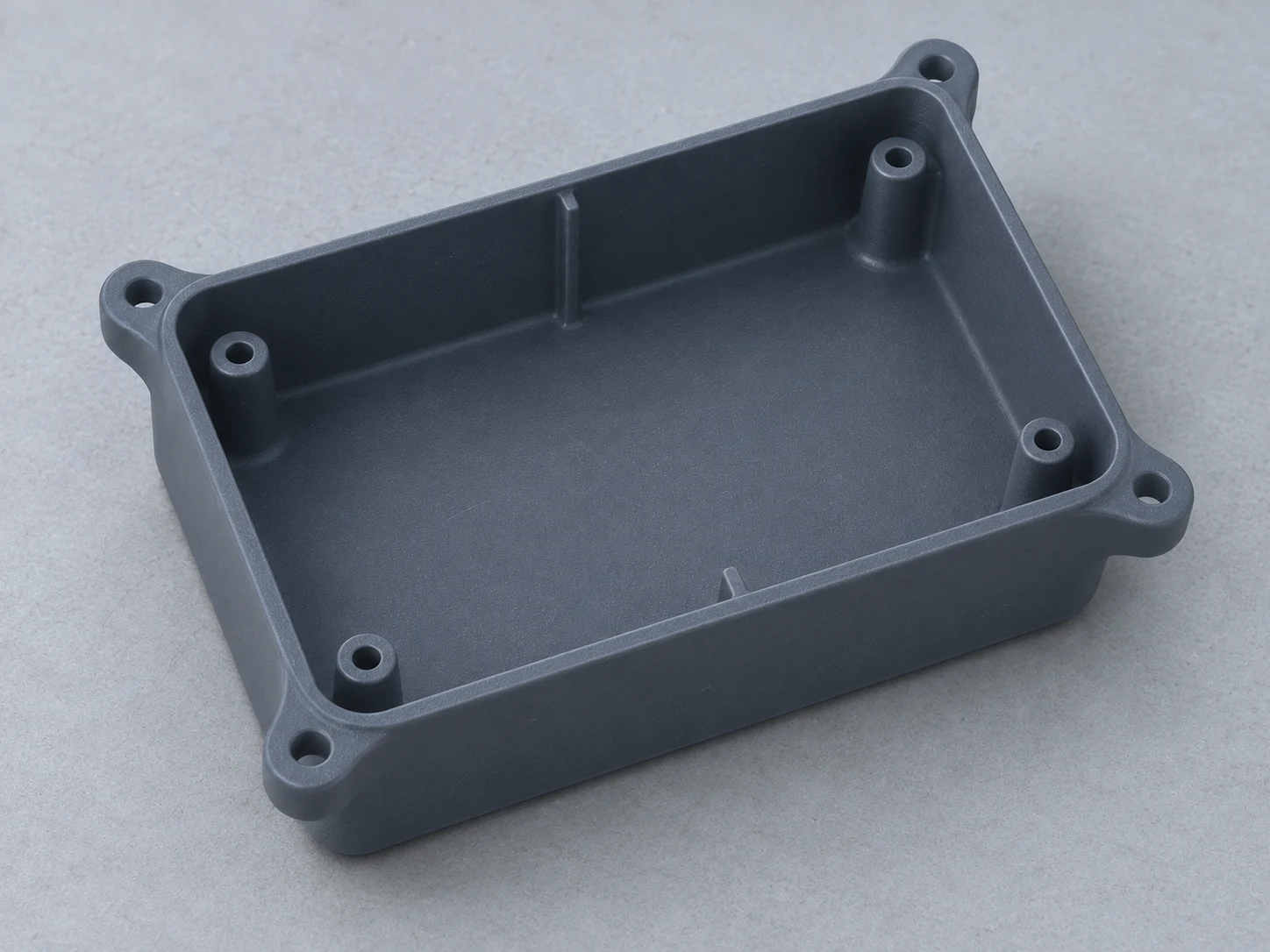
Review stiffness, impact, fit and required flammability ratings for enclosures and electrical parts. Ratings must match the grade and thickness.
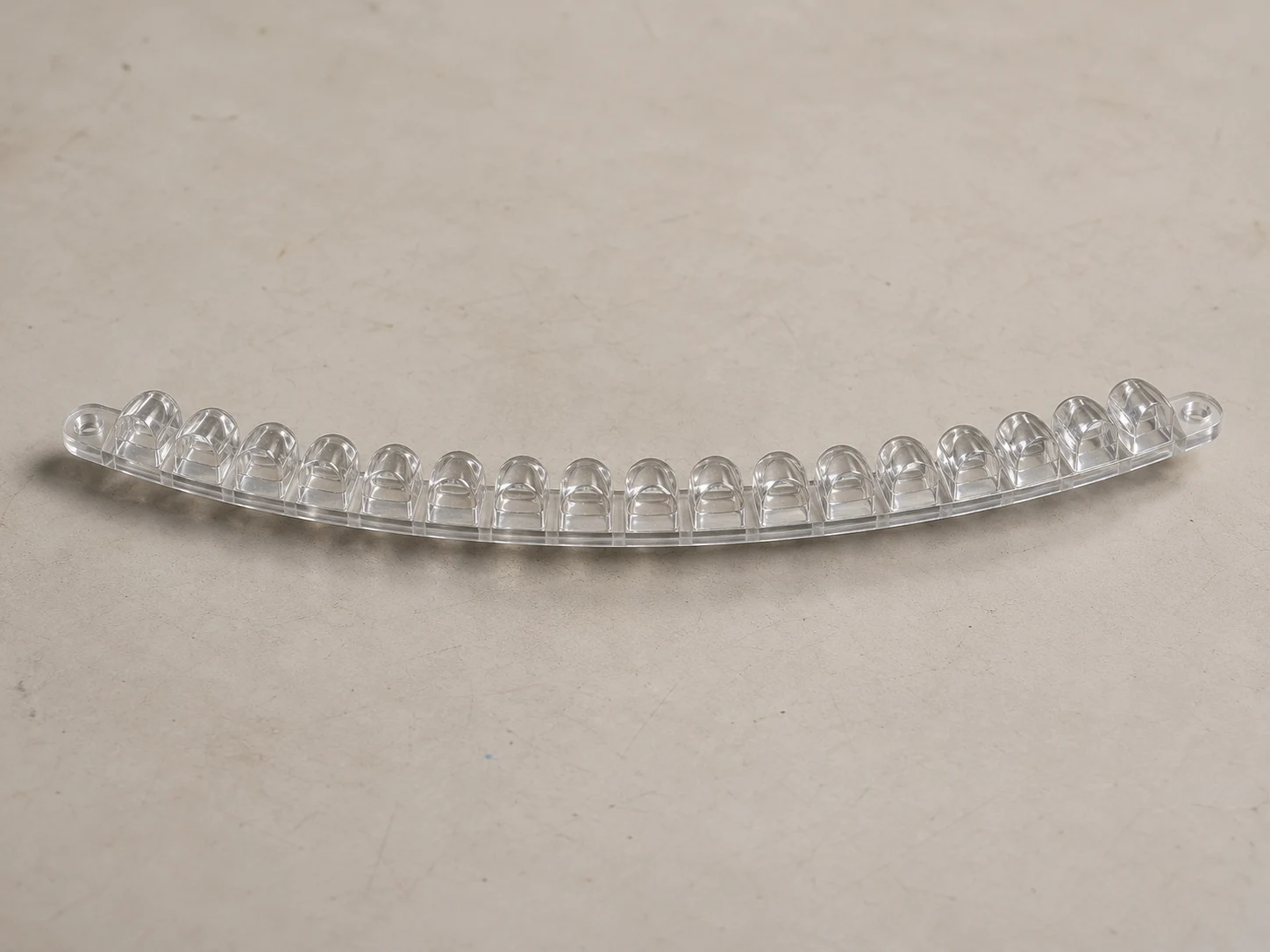
Choose clear or diffusive grades for optical targets, light-source temperature, color and outdoor exposure; confirm the effect with samples.

Review frame stiffness, mounting holes, retainers and assembly clearances around instruments and display modules. Check local stresses near fasteners, color and visible-surface requirements.

Define the viewing area, impact exposure, mounting and cleaning conditions. Confirm the PC grade, surface option and sample acceptance for protective optical covers.
PC can suit molded parts requiring toughness, stiffness, dimensional control and appearance. Injection molding integrates housings, clips and mounting features; evaluate tooling investment and unit economics against lifetime volume.
Review scratches, cleaners or solvents, sustained stress and outdoor UV separately. Compare PMMA for visible clear surfaces and PC/ABS for housings where flow and impact both matter.
POLYCARBONATE INJECTION MOLDING FAQ
PC selection, drying, temperature and project questions for functional and clear parts.
PC is used for electrical housings, lighting parts, instrument windows and equipment covers. Check loads, temperature, appearance and exposure together, with grade-specific documentation and validation for safety or regulated uses.
Compare specific PC and PMMA grades for impact, scratch resistance, clarity, temperature and cleaning agents under matching test methods.
Follow supplier drying and moisture guidance. The LEXAN 121R table specifies 120°C for 2–4 hours and maximum moisture of 0.02%. Keep conditioned material dry during handling and production.
SABIC lists a 280–300°C melt and an 80–100°C mold for LEXAN 121R. Use the selected grade’s processing guidance to set the window for your geometry, machine and tool trials.
Select a UV-stabilized or flame-retardant PC grade for the required exposure or rating. Check the relevant data and rating documents for the specified grade, color and thickness.
Review drying, contamination, residence time, filling and venting, gates, packing/cooling and assembly loads. Define visible zones and investigate chemical exposure together with residual stress where cracking is a concern.
Share CAD, quantity, grade or performance targets, critical dimensions, appearance and documentation requirements. Cost depends on tooling complexity, cavities, resin, cycle, secondary operations and acceptance scope.
Share your CAD, material, quantity, and key requirements. Our team will review your project and prepare a quote.
Request a Quote