

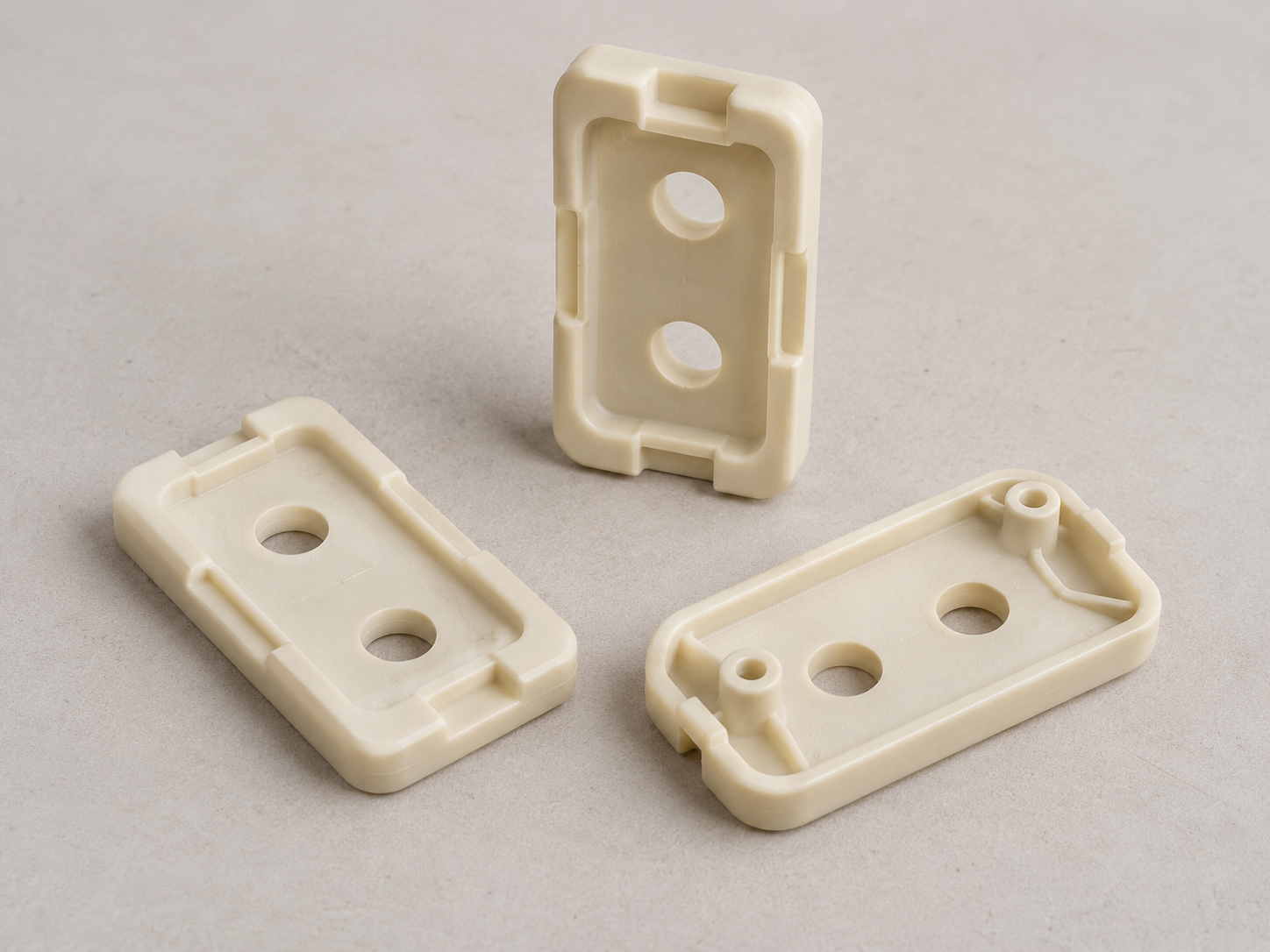
01
Prototype & Bridge Production
Evaluate material, assembly and appearance with molded samples. Choose tooling around design maturity, sample objectives and subsequent demand; CNC or printed prototypes do not replace molding validation.
Built for production.
Take your design from tooling to repeat production of custom plastic parts.
Manufacturing Capabilities
Plastic Injection MoldingCustom plastic parts for production Tooling & Design SupportPrepare your part design for tooling High-Volume ProductionPlan repeat runs around your delivery needsMaterials & Finishes
Made for smaller runs.
Produce resin parts with silicone molds for design validation and small batches.
Small-Batch Capabilities
Vacuum CastingResin parts made with silicone moldsLow-Volume ProductionFrom trial parts to small-batch deliveryAppearance & Fit ChecksPrepare multiple parts for product checksMaterials & Finishes
Other Services
Machining, printing, and supporting services for specific part needs.
Materials & Finishes
Explore material performance and appearance options separately.
Explore Materials & Finishes
Injection Molding Materials
Choose molding materials for strength, heat resistance and appearance.
Manufacturing Knowledge
Find articles, answers, and case studies to help prepare your project.
Start with your part requirements.
Contact PlasticHubs for help with quotes, files, delivery, and orders.
Files, Orders & Delivery
Industries
Explore manufacturing options for your product application.
Start with your manufacturing needs
From tooling to production of plastic parts.
Small batches of resin parts made with silicone molds.
Start with your design, material, and quantity.
Built for production.
Take your design from tooling to repeat production of custom plastic parts.
Manufacturing Capabilities
Plastic Injection MoldingCustom plastic parts for production Tooling & Design SupportPrepare your part design for tooling High-Volume ProductionPlan repeat runs around your delivery needsMaterials & Finishes
Made for smaller runs.
Produce resin parts with silicone molds for design validation and small batches.
Small-Batch Capabilities
Vacuum CastingResin parts made with silicone moldsLow-Volume ProductionFrom trial parts to small-batch deliveryAppearance & Fit ChecksPrepare multiple parts for product checksMaterials & Finishes
Other Services
Machining, printing, and supporting services for specific part needs.
Materials & Finishes
Explore material performance and appearance options separately.
Explore Materials & Finishes
Plastic CNC Materials
Explore plastic properties and choose materials for your part.
Manufacturing Knowledge
Find articles, answers, and case studies to help prepare your project.
Start with your part requirements.
Contact PlasticHubs for help with quotes, files, delivery, and orders.
Files, Orders & Delivery
Industries
Explore manufacturing options for your product application.
Start with your manufacturing needs
Small batches of resin parts made with silicone molds.
Start with your design, material, and quantity.
Bring strength, assembly and appearance together. Select an ABS grade for housings, consumer products and functional components, then carry your requirements into tooling and production planning.
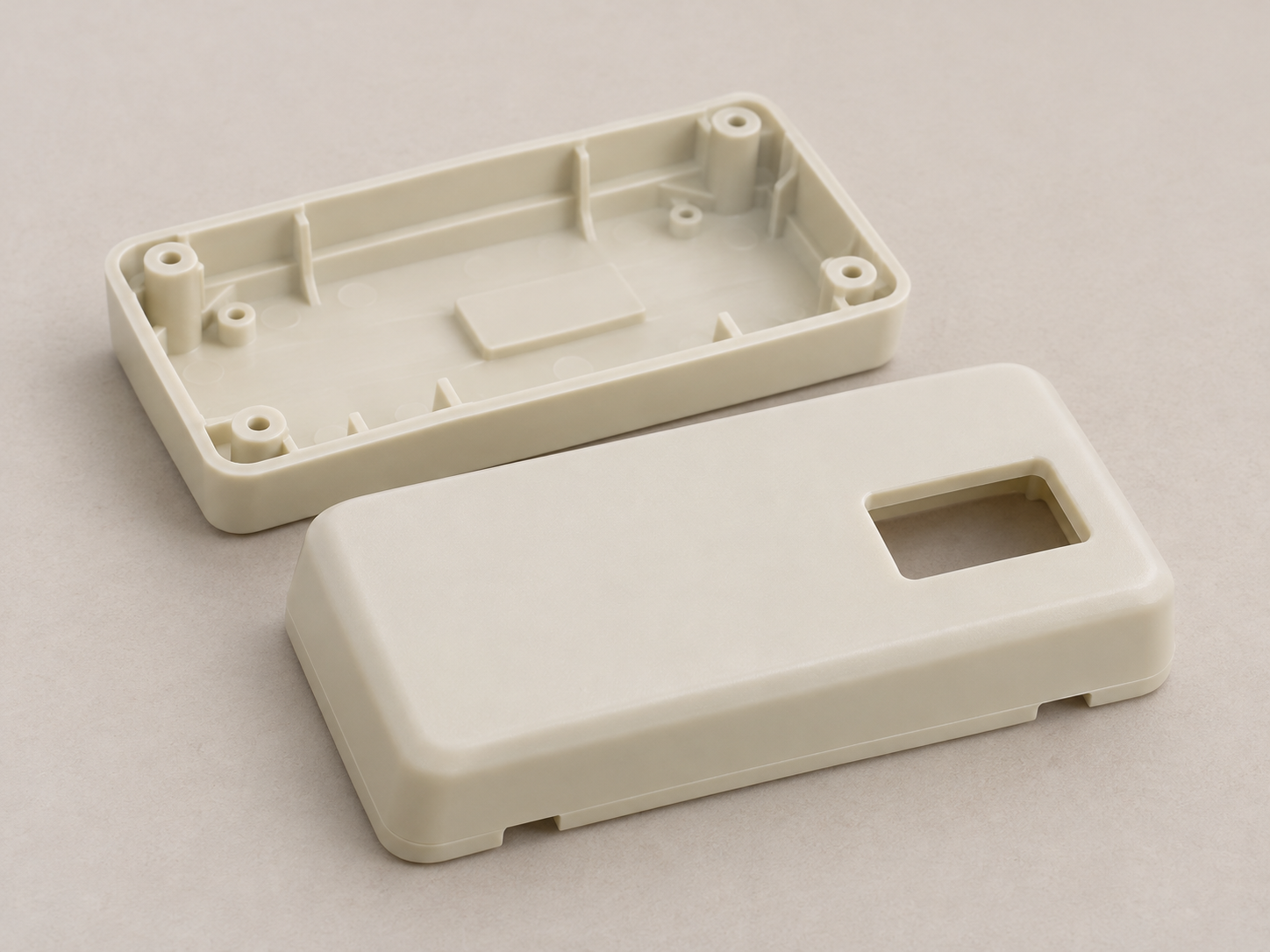
Start with the application, not only the material name. Identify assembly-critical dimensions, visible surfaces and how the part will be used.
Discuss your project ↗Evaluate material, assembly and appearance with molded samples. Choose tooling around design maturity, sample objectives and subsequent demand; CNC or printed prototypes do not replace molding validation.
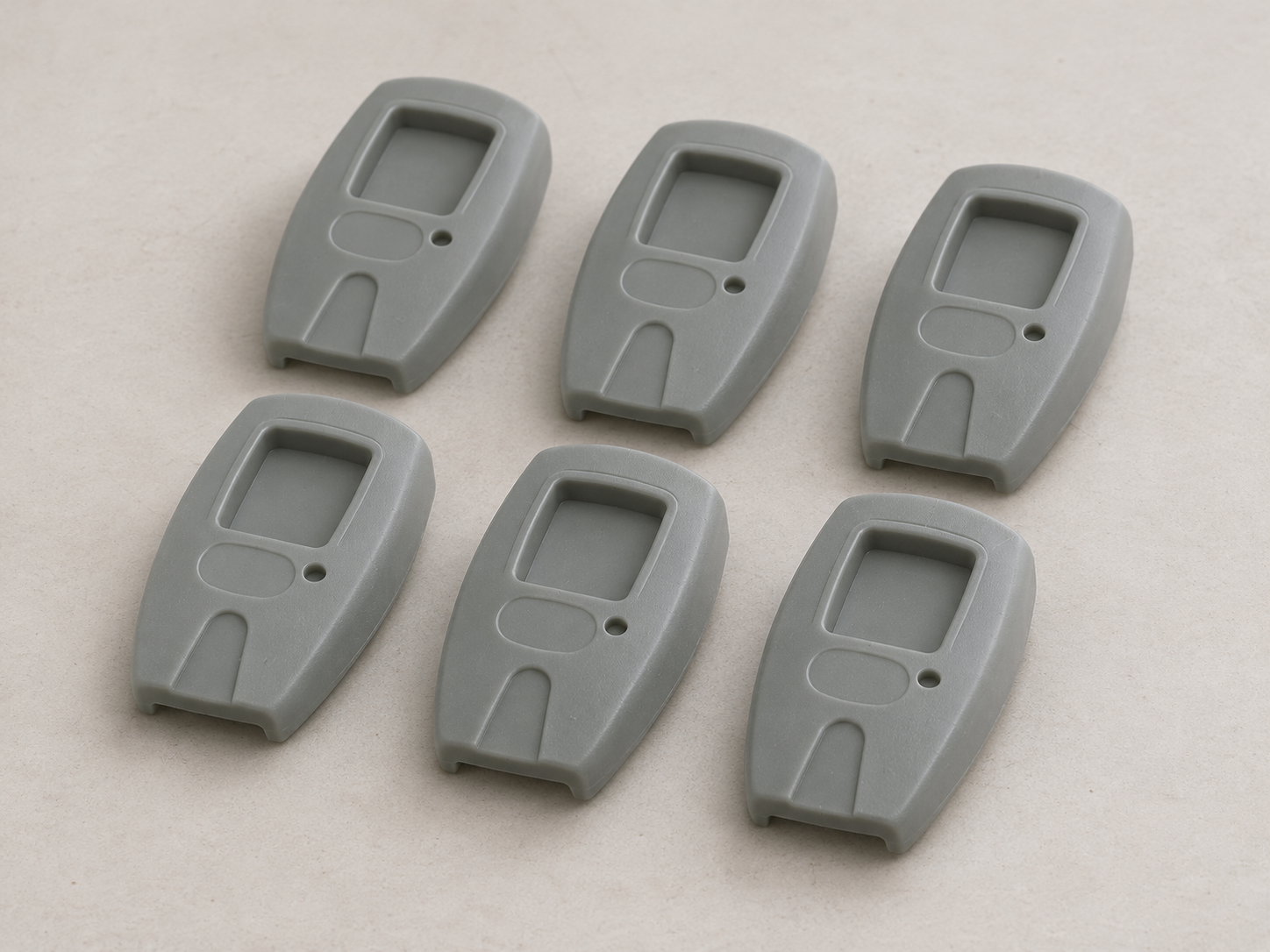
Plan cavities and tooling around demand, geometry and appearance. Agree on samples, critical dimensions and acceptance criteria before production.
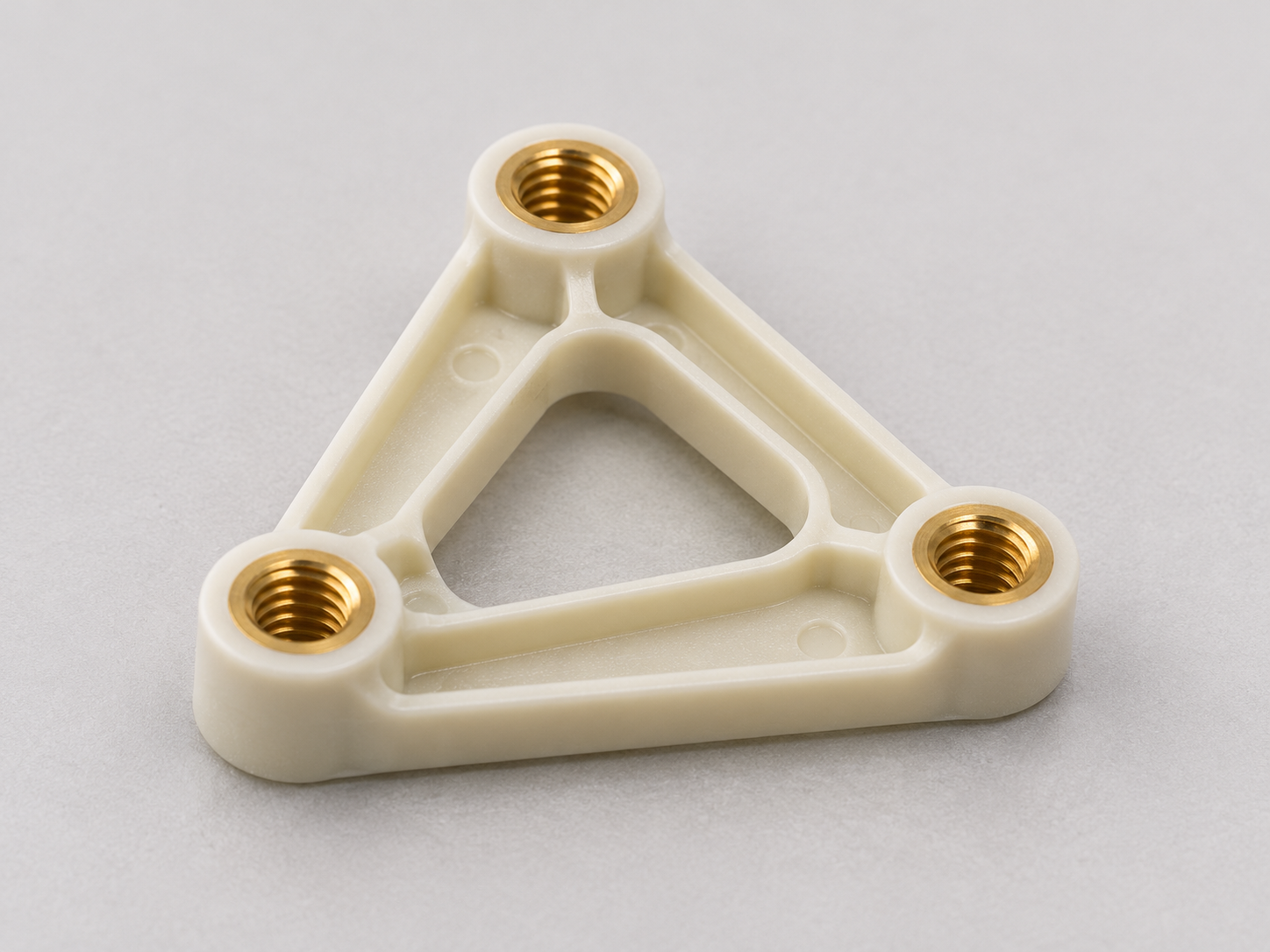
Evaluate threaded inserts, assembly connections or soft-touch interfaces. Review insert location, thermal effects and compatibility between ABS and the overmold material.
Start with your drawings, quantity and application requirements.
| Item | Project review |
|---|---|
| Material & color | Select the grade for performance, environment and appearance |
| Tooling & cavities | Evaluate geometry, demand and design maturity |
| Critical dimensions | Define datums, tolerances and measurement methods |
| Sampling & production | Approve samples and acceptance criteria before production |
| Finishing | Separate molded surfaces from painting, printing and secondary operations |
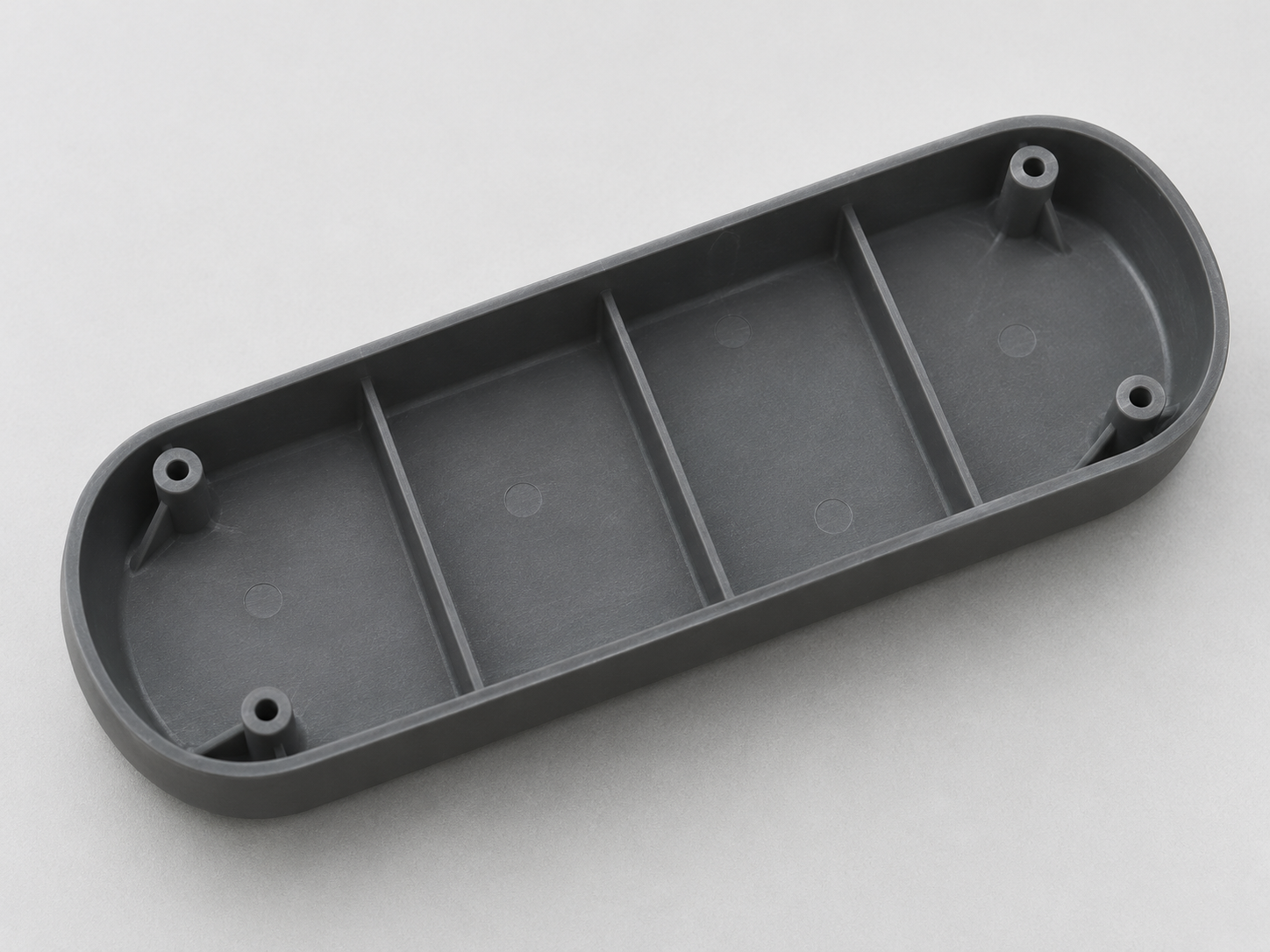 GEOMETRY DETAILS
Review wall transitions and local material buildup to manage sink.
Mark assembly-critical dimensions and review bosses and connections.
Define visible surfaces and review draft for texture and geometry.
Review filling, venting, cooling and ejection in the tool design.
Define appearance criteria first, then select a mold finish or secondary operation.
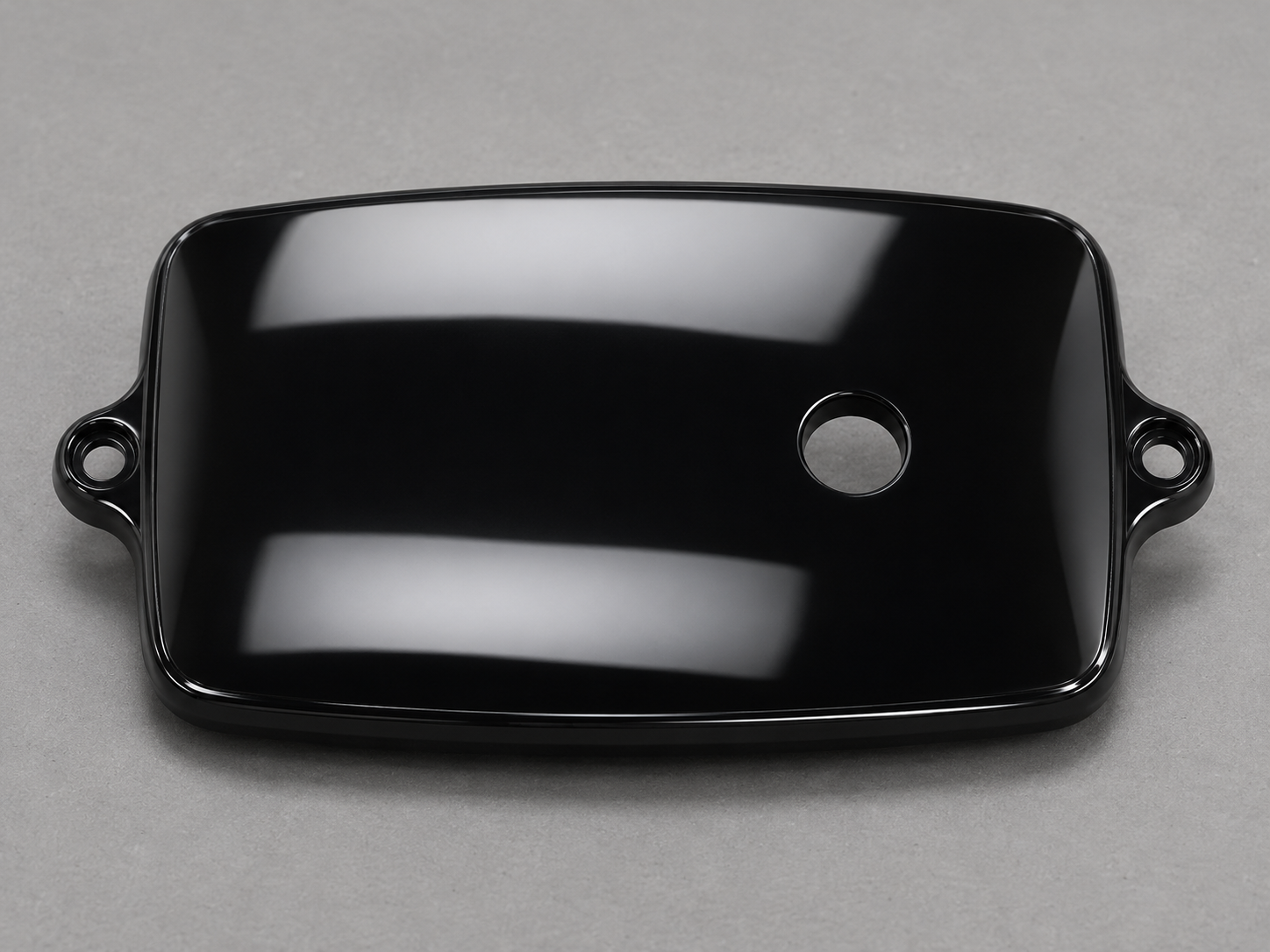
Replicate the mold surface for gloss; results depend on grade, tooling and molding conditions.
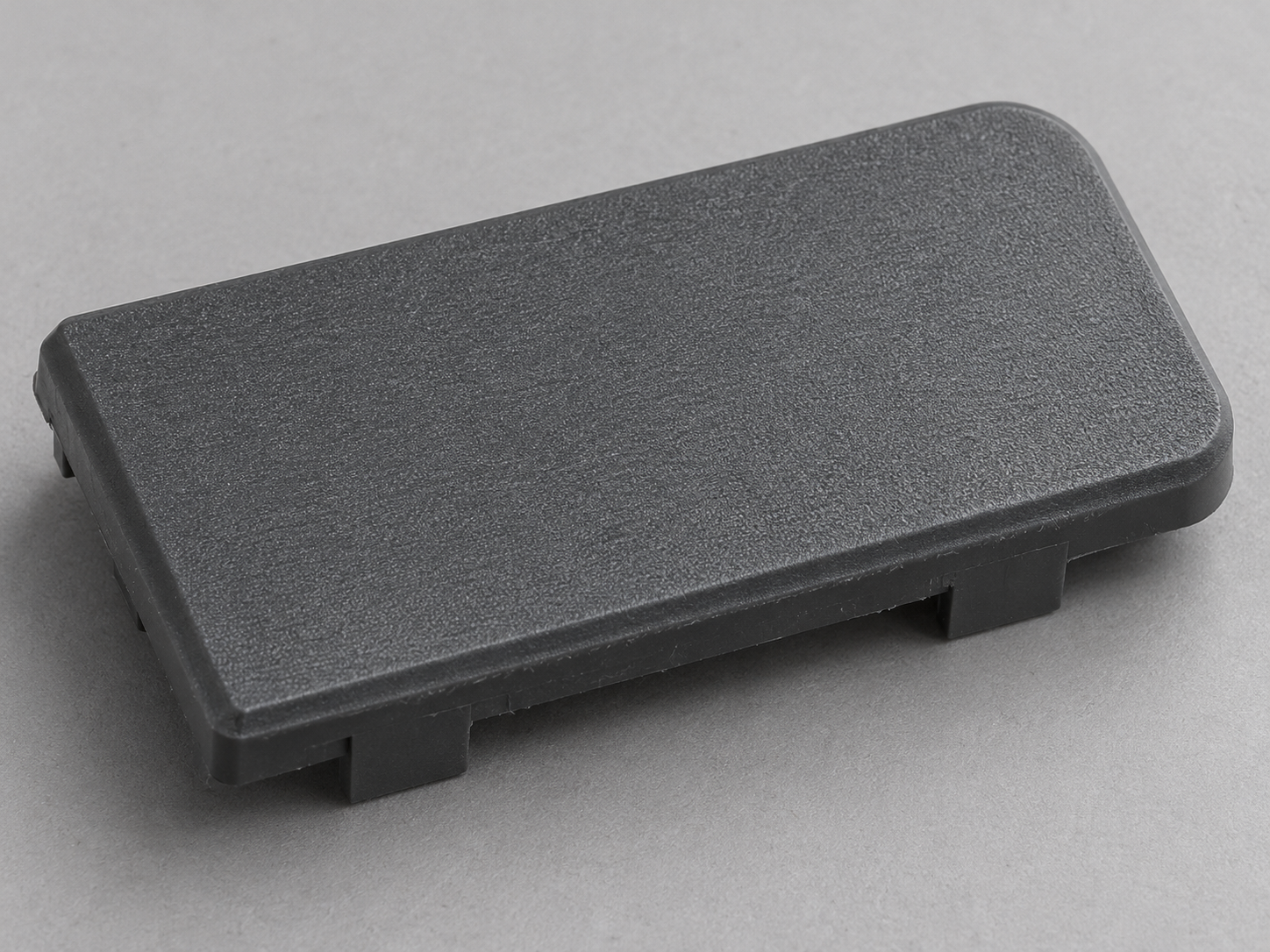
Create matte or textured surfaces in the tool, with draft reviewed for the selected texture.
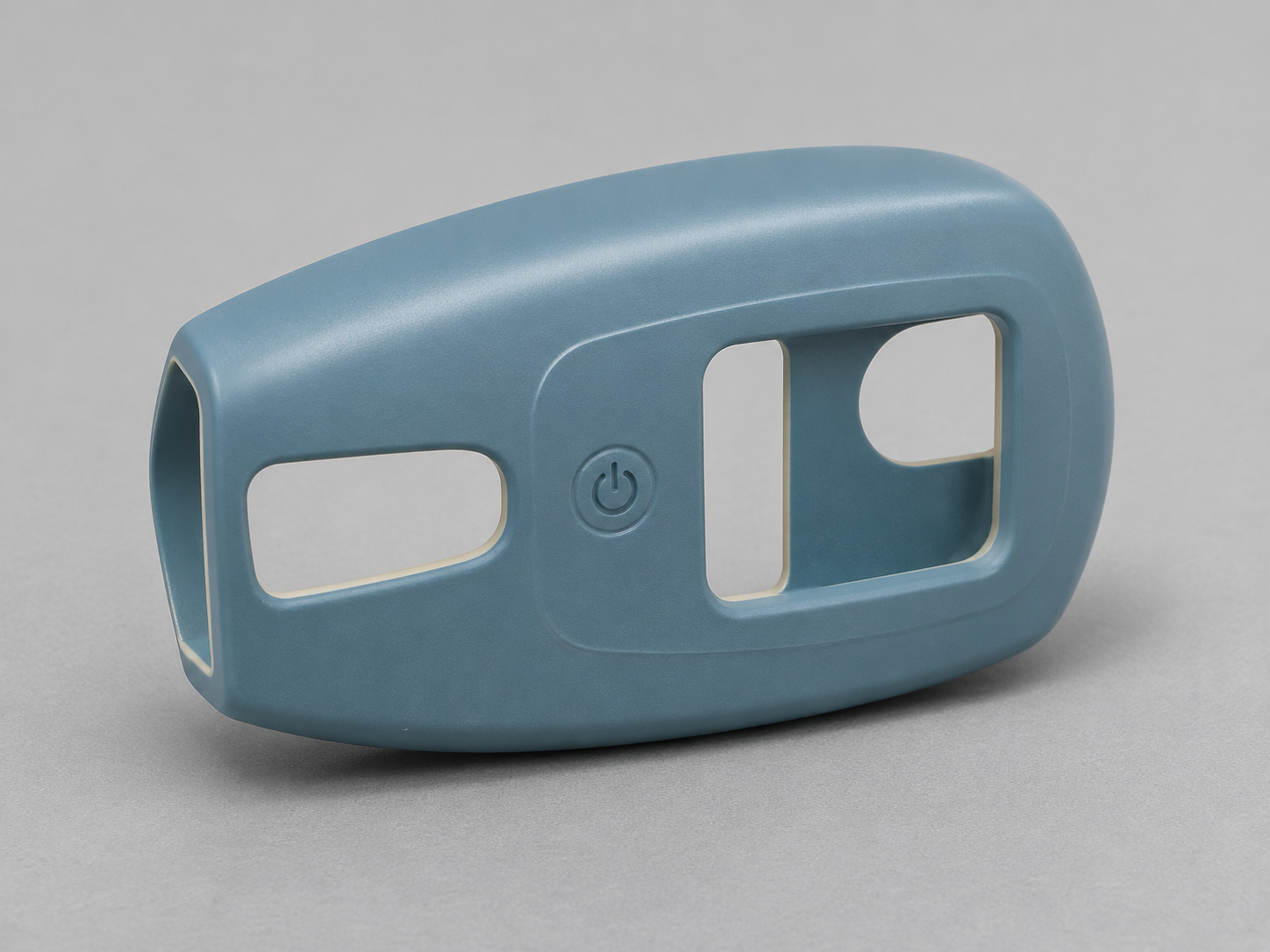
Distinguish colored resin from post-mold painting; define adhesion, wear and color requirements.
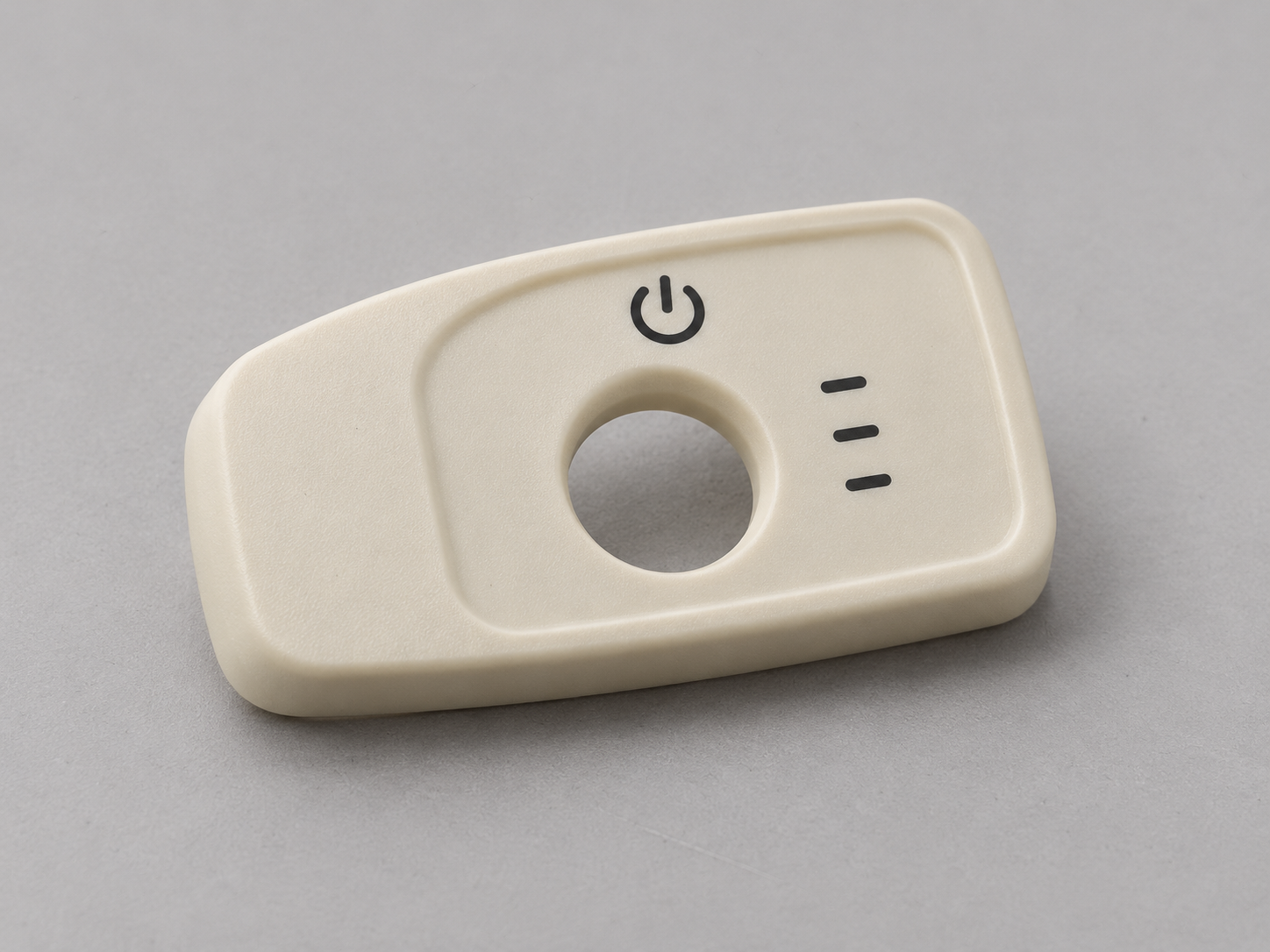
Use pad printing for graphics; plating and other special finishes require grade and process review.
Connect drawing dimensions, assembly requirements and cosmetic acceptance criteria. Use initial or tool-trial samples to confirm these standards, with subsequent inspection defined for the order.
Typical values below describe uncolored INEOS Styrolution Terluran GP-22 as one injection-molding ABS grade. They are not universal ABS values, a stock commitment or a finished-part guarantee.
| Property | Typical value | Method / conditions |
|---|---|---|
| Tensile stress at yield | 45 MPa | ISO 527, 23°C |
| Tensile modulus | 2,300 MPa | ISO 527 |
| Flexural strength | 65 MPa | ISO 178, 23°C |
| Notched Izod impact | 26 kJ/m² | ISO 180/A, 23°C |
| Density | 1.04 g/cm³ | ISO 1183 |
| Property | Typical value | Method / conditions |
|---|---|---|
| Vicat B50 | 96°C | ISO 306, 50 N, 50°C/h |
| HDT A | 94°C | ISO 75, 1.8 MPa; annealed 4 h at 80°C |
| Mold shrinkage | 0.4–0.7% | ISO 294-4 |
| Melt processing range | 220–260°C | Supplier guidance |
| Mold temperature | 30–80°C | Supplier guidance |
| Predrying | 80°C, 2–4 h | Supplier guidance |
HDT and Vicat are not continuous-use temperatures. Processing temperature is not melting point, and mold shrinkage is not a part tolerance. Final selection and processing require the selected grade’s data sheet and project validation.
Discuss grade and geometry around the application, identifying molding and assembly concerns early.
Connect tooling decisions, sample approval and demand in one project plan.
Discuss visible surfaces, texture and color variation before setting cosmetic acceptance criteria.
Carry critical drawing requirements and inspection criteria into quotation and production discussions.
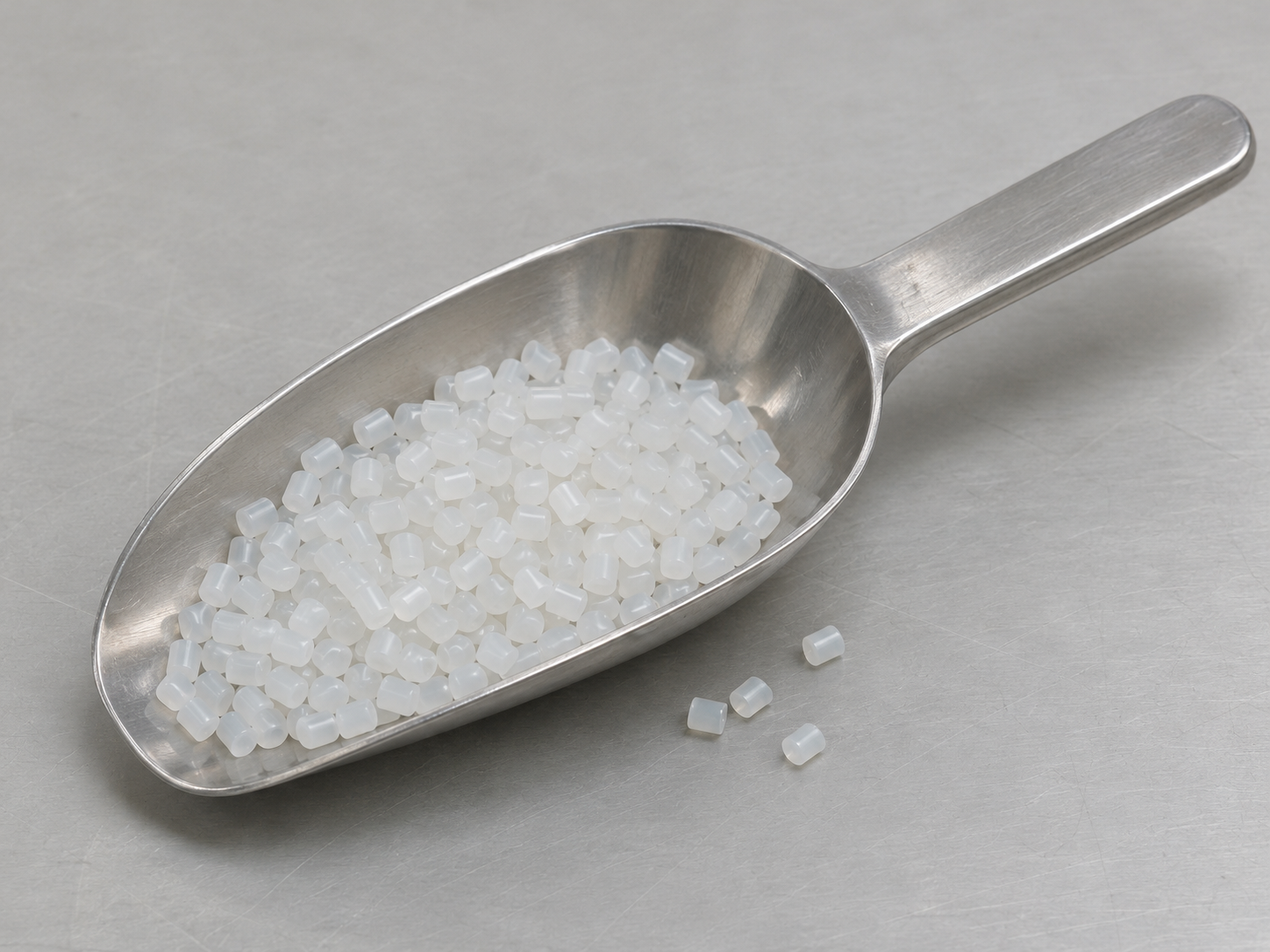
ABS is acrylonitrile butadiene styrene, an amorphous thermoplastic. Its combination of stiffness, toughness and moldability makes it useful for parts that need assembly features and a finished appearance.
Heat resistance, impact performance and flow vary by grade. PC/ABS is a distinct blend, while “ABS-like” casting or 3D-printing materials should not be treated as the same ABS resin.
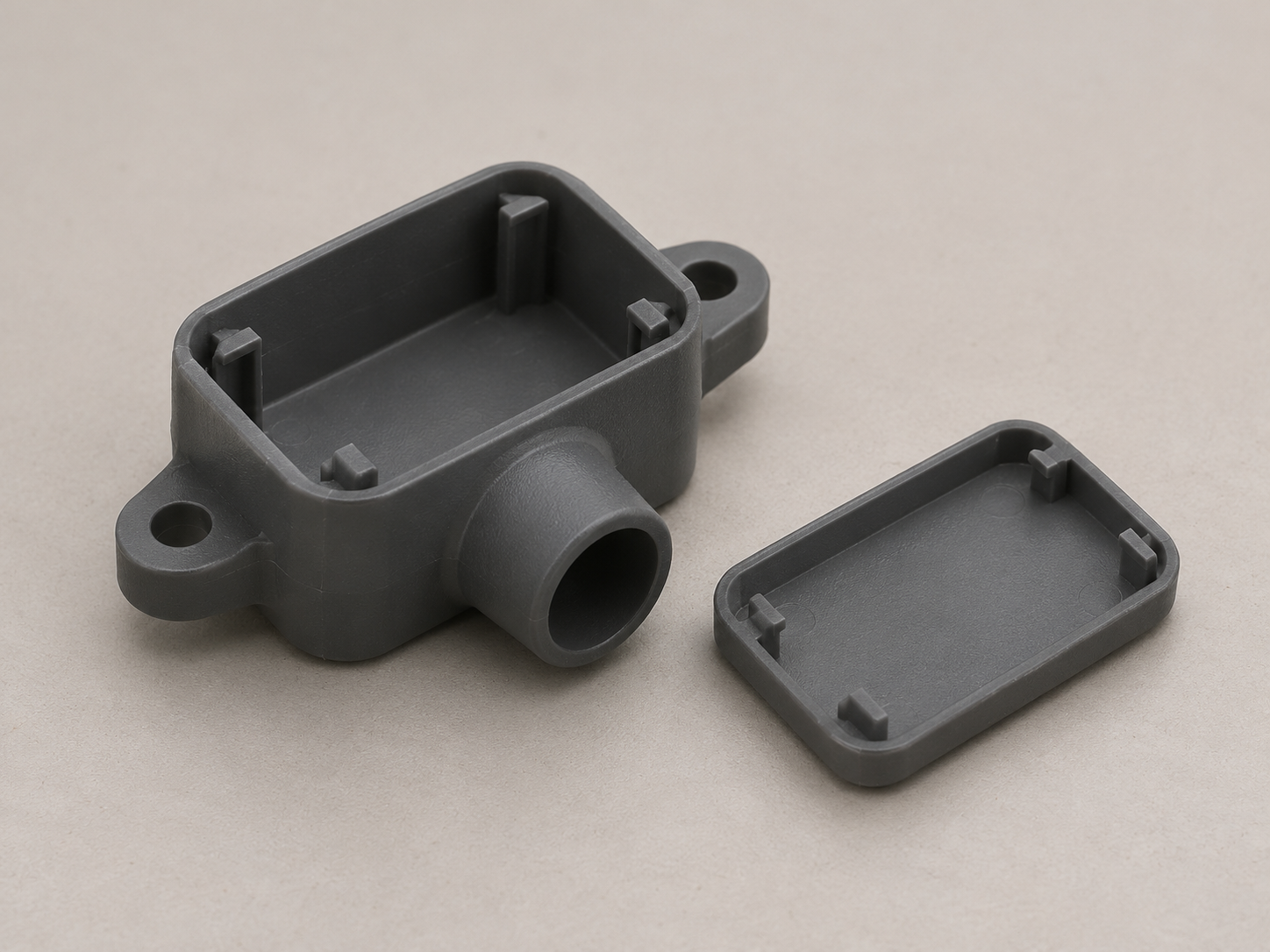
Device enclosures, control panels and mounting features, with attention to clips, bosses and visible surfaces.
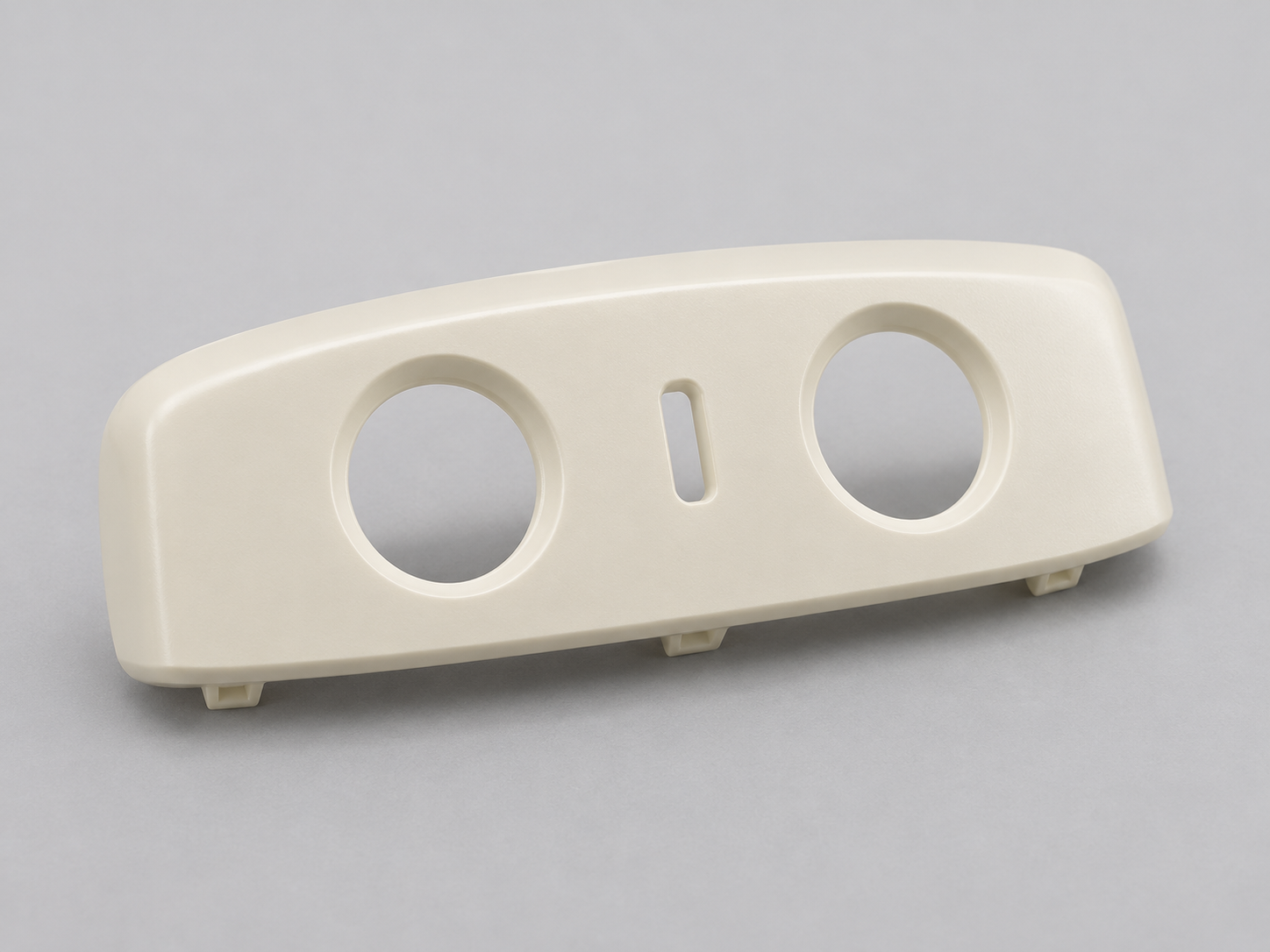
Panels, covers and knobs, assessed against service temperature and cleaning-agent exposure.
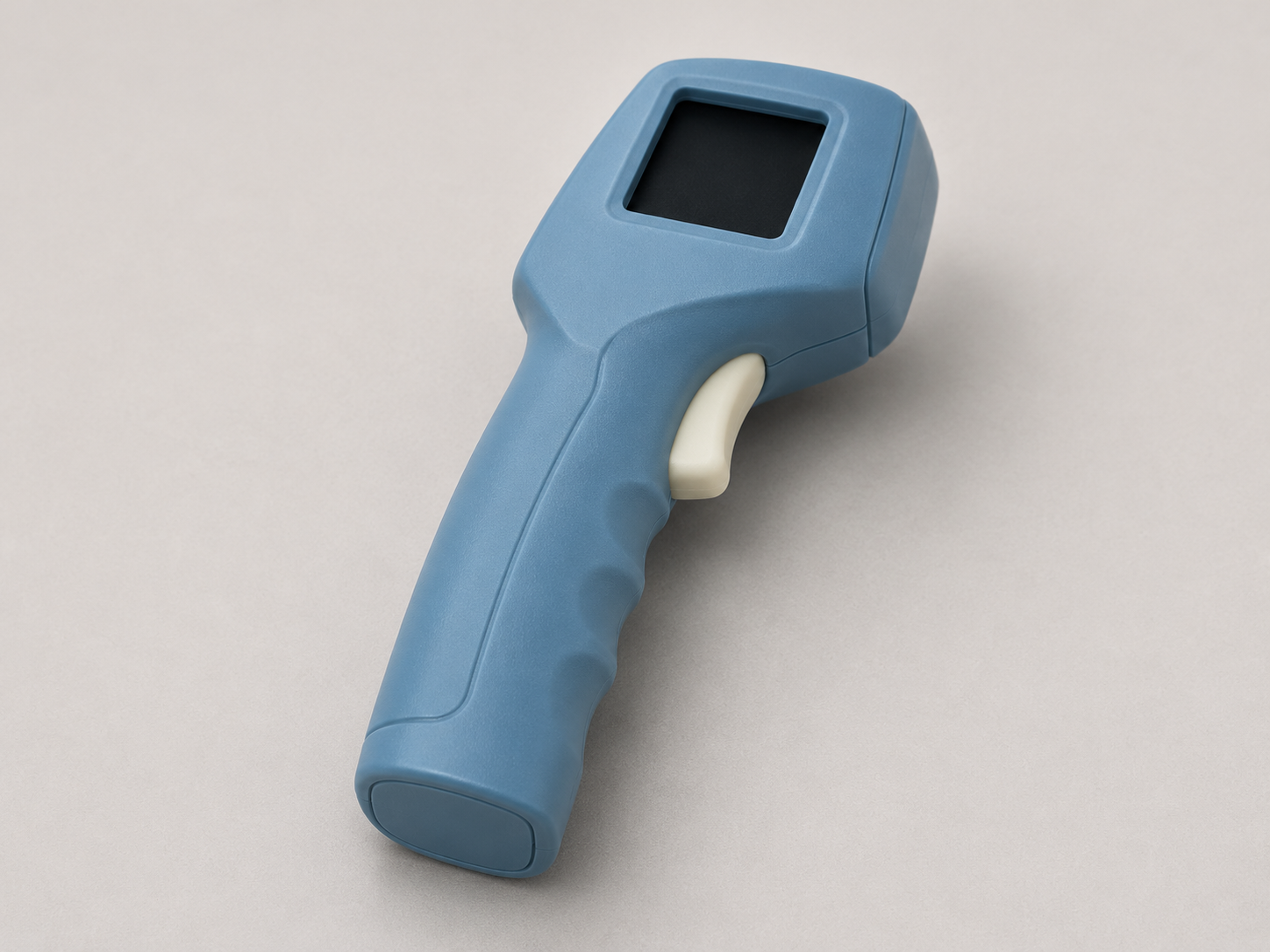
Handheld housings and functional components balancing impact, weight and appearance.
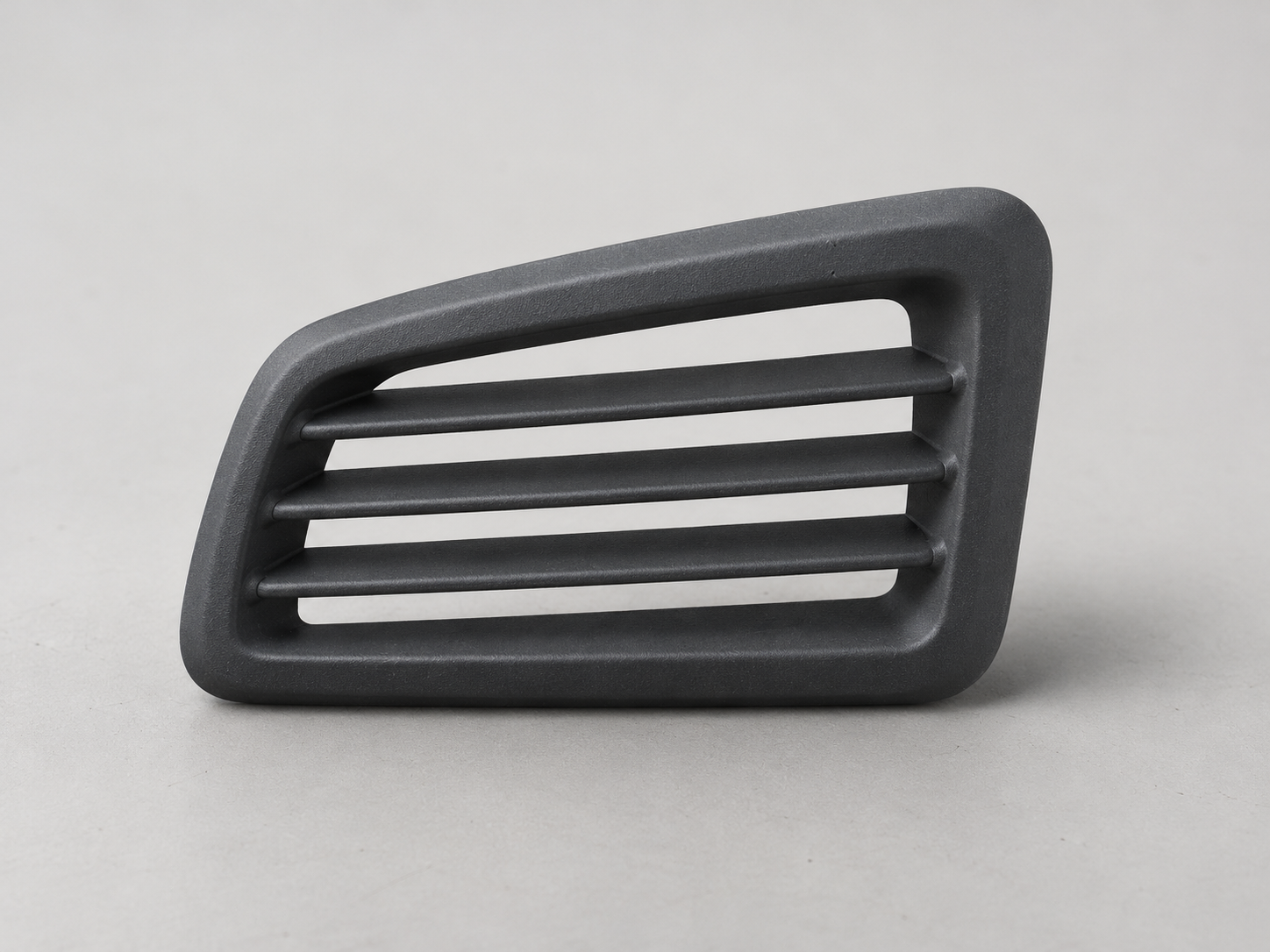
Interior covers and fittings, with temperature, aging and surface performance assessed for the application.
ABS can integrate housings, ribs and bosses into a molded part. With an appropriate grade and design, it balances impact toughness, stiffness and surface appearance while simplifying assembly. Once the tool and process are validated, the geometry can be molded repeatedly. Larger quantities spread upfront tooling cost across more parts, although economics still depend on geometry, cycle time and order volume.
Do not assume ordinary ABS is suitable for prolonged outdoor exposure, high heat, aggressive solvents or transparent parts. Compare ASA, PC, PC/ABS or other materials against the application and verify the specific grade.
ABS INJECTION MOLDING FAQ
Grades, surface finishes, and the information needed to start your ABS project.
Yes. ABS is a widely used injection-molding thermoplastic. Select a molding grade for the required flow, impact performance, heat resistance and appearance.
Start with temperature, loads, impact, chemical exposure, color and regulatory requirements. The resin family name does not replace a grade-specific data sheet and application validation.
Tool complexity, cavity count, part size, resin grade, cycle time, quantity and secondary operations affect cost. Drawings and quantities are needed for a meaningful assessment.
Review wall and rib design, gate and cooling layout, grade-specific shrinkage data and molding trials together. Material shrinkage does not translate directly into finished-part dimensional tolerance.
Options to evaluate include polished or textured mold surfaces, colored resin, painting and pad printing. Plating requires a suitable grade and a separate process review.
Compare alternatives when heat, impact or transparency needs exceed the selected ABS grade. PC/ABS is a blend and does not simply inherit every property of either ABS or PC.
Share CAD, critical dimensions, quantity, grade or performance requirements and appearance criteria. Confirm assembly, dimensions and appearance during sampling before proceeding with production.
Share your CAD, material, quantity, and key requirements. Our team will review your project and prepare a quote.
Request a Quote