
PlasticHubs provides fast and precise online rapid prototyping services tailored for plastic components that demand tight tolerances, efficient delivery, and reliable engineering performance. Our rapid prototyping helps teams accelerate design cycles and bring ideas to market faster.
Rapid prototyping refers to fast, flexible manufacturing methods used to quickly produce physical plastic parts for testing and evaluation. By combining CNC machining, 3D printing, and low-volume fabrication techniques, PlasticHubs enables engineers to validate designs early, eliminating tooling costs and long lead times.
Rapid prototyping is essential for design verification, fit tests, functional evaluation, pilot builds, and presentation-ready models.
PlasticHubs uses a streamlined digital workflow to turn CAD files into high-quality physical prototypes within days.
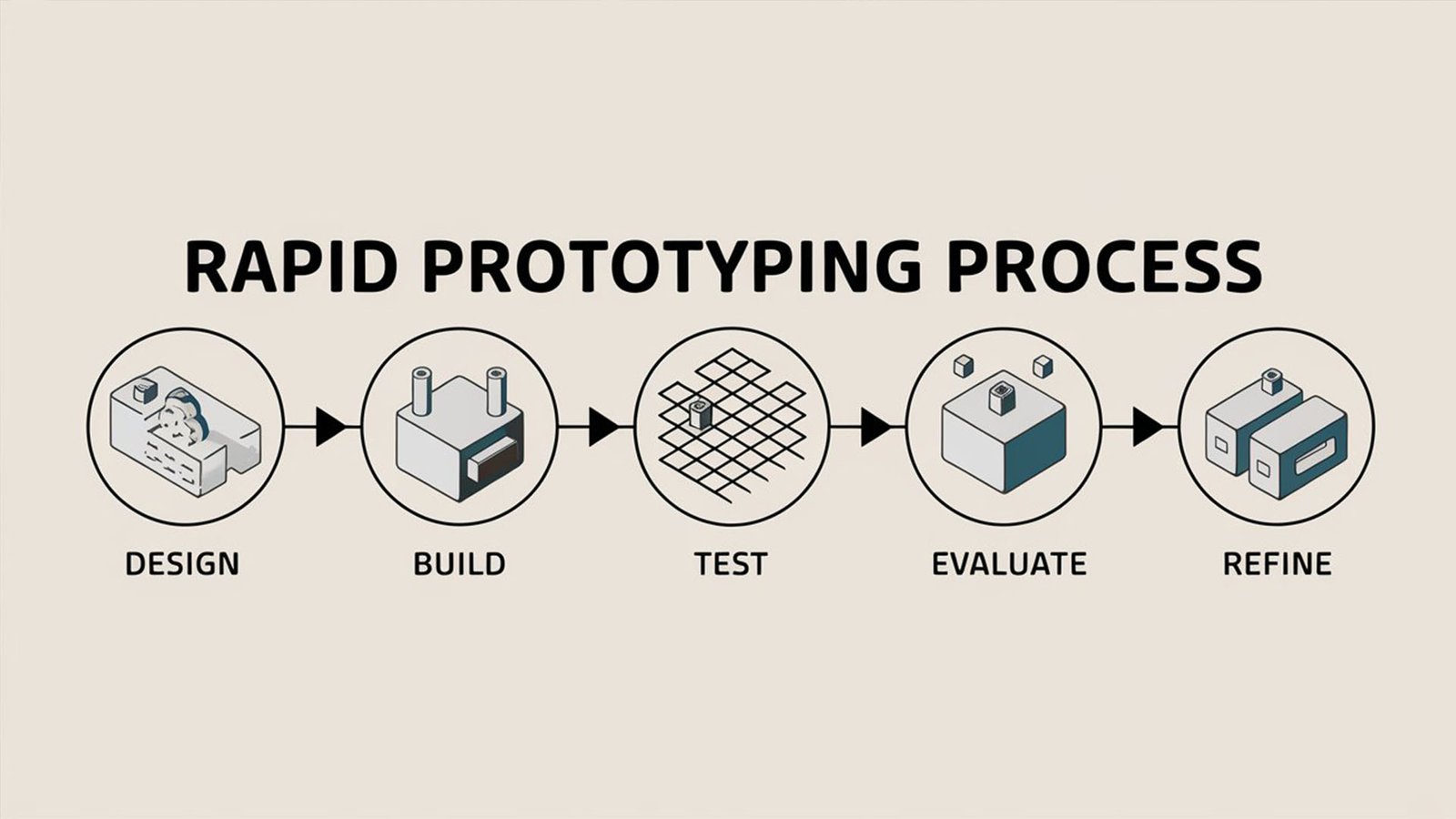
Rapid prototyping shortens the transition from concept to tangible part, enabling teams to validate designs within days instead of weeks. This condensed timeline supports quicker decision-making, reduces uncertainty during early engineering stages, and helps organizations maintain momentum in competitive development environments.
The process allows engineers to assess geometry, fit, and functional performance at an early stage, revealing design flaws before they escalate into costly downstream issues. By enabling iterative refinement based on real, physical feedback, it ensures that the final product aligns more closely with both technical requirements and user expectations.
Unlike traditional fabrication methods that require tooling investments or minimum production quantities, rapid prototyping keeps early-stage costs predictable and low. Teams can explore multiple design directions, test adjustments, and refine features without financial pressure, ultimately leading to more optimized product outcomes.
A physical prototype provides a clear, universally understandable reference point for engineers, designers, marketers, and decision-makers. This shared artifact strengthens collaboration, reduces misinterpretation of design intent, and helps stakeholders reach alignment more efficiently during review and approval stages.
Our rapid prototyping capabilities focus on precision manufacturing methods rather than 3D printing, allowing us to deliver parts with production-grade accuracy, strength, and surface quality. While our core services center on CNC machining and vacuum casting, we can also support 3D printing requests when needed to ensure you receive the most suitable solution for your development stage.
Minimizing complex geometries, ultra-tight tolerances, and unnecessary features in the initial prototype can significantly lower machining and molding time. A streamlined design reduces material waste and allows faster iterations before committing to more detailed versions.
Matching the part’s purpose with the most efficient process prevents avoidable expenses. CNC machining is ideal for structural accuracy, while vacuum casting is far more economical for small batches. Proper method selection avoids paying for capabilities the prototype does not require.
Using engineering plastics or PU resins that closely simulate final properties—rather than premium or application-specific materials—helps maintain performance insight without overspending. Reserve high-cost materials for later validation stages where precise functional testing is required.
By combining several design changes into one updated version instead of creating many small revisions, you lower setup costs and shorten the overall development cycle. This approach ensures each prototype delivers greater value while keeping expenses under control.

Fast turnaround and excellent machining quality. The prototype felt close to a production part, which helped us finalize our design quickly. – from US
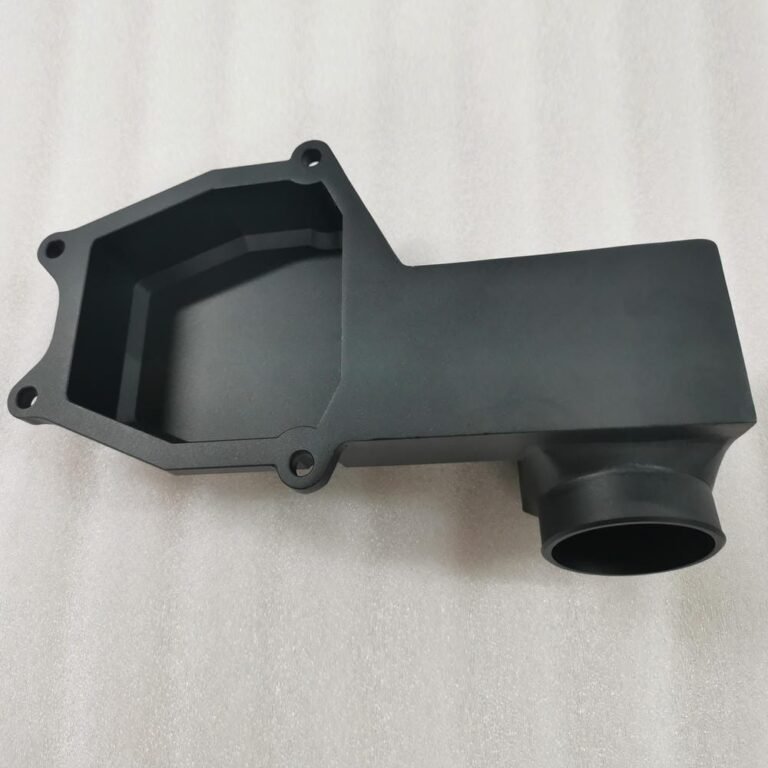
The team delivered exactly what we needed—clean detailing, accurate dimensions, and very professional communication throughout the process. – from UK

Our functional prototypes came out with impressive precision. It made our assembly testing much smoother than expected. – from US

Great service and consistent results. The vacuum-cast parts matched our required finish perfectly, ideal for our small validation run. – from US
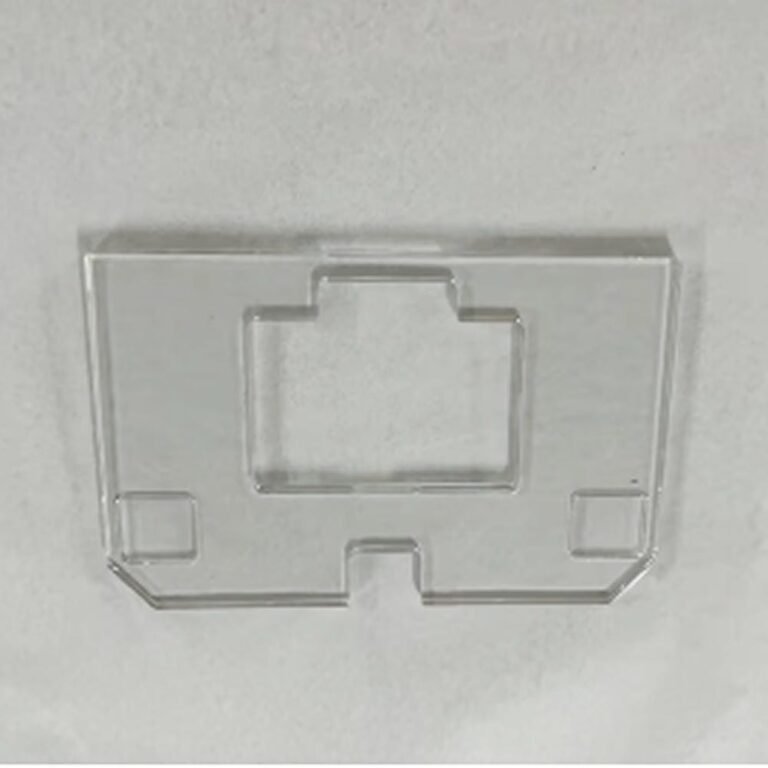
Reliable lead times and solid engineering support. Their guidance helped us refine the design before committing to tooling. – from France
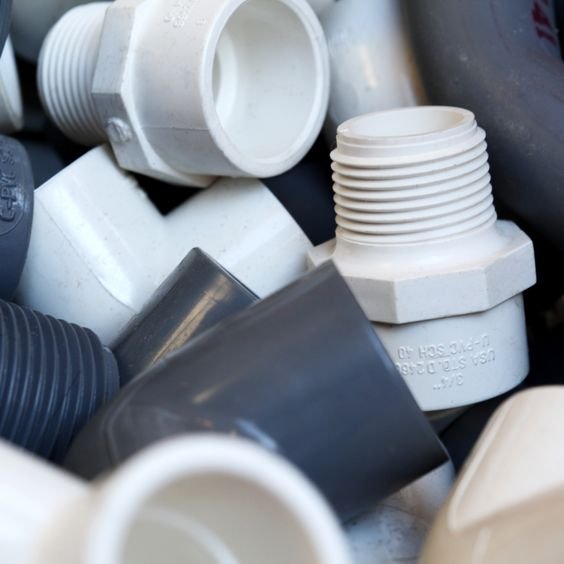
We were surprised by how quickly the parts arrived and how well they performed in testing. A very efficient prototyping partner. – from Australia