ABS offers a balanced combination of toughness, machinability, and dimensional stability. We provide reliable ABS CNC machining services with tight tolerances, consistent quality, and fast turnaround to support projects from development to production.
Access our online CNC services anytime for quick and reliable support. Our machining capability handles tight tolerances and complex ABS geometries with confidence. Simply upload your CAD file to receive an instant quote. We produce ABS parts with clean finishes and dependable dimensional accuracy. Fast turnaround ensures your projects keep moving without delay.
We offer versatile CNC machining options to ensure ABS parts are made with precision and consistency. PlasticHubs will handle the rest – from precision machining to fast delivery.
Upload your 3D models (STL, STEP, etc) or 2D drawing files for instant quotes. We will respond within 24 hours. All data is secure and confidential.
ABS machines cleanly with stable tolerances, smooth finishes, and reliable performance across both simple and complex geometries. PlasticHubs supports this with a full CNC capability tailored for ABS parts.
| Standards | Detail |
|---|---|
| Tolerances | +/- 0.01 mm |
| Minimum Wall Thickness | 0.5 mm |
| Minimum End Mill Size | 0.5 mm |
| Maximum Part Size | 4000 mm×1500 mm×600 mm |
| Minimum Part Size | 1 mm×1 mm |
| Price | $ $ $ |
| Standard Lead Time | 1-7 business days based on machined parts |
| Process Compatibility | Full CNC capabilities including milling, turning, drilling |
ABS is known for its balanced mechanical profile, offering tensile strength typically around 40–50 MPa, flexural strength near 70–80 MPa, and a heat deflection temperature of approximately 85–100 °C depending on the grade. Its combination of toughness, impact resistance, and dimensional stability makes it a dependable choice for both prototypes and end-use components.
| Mechanical Properties | Value |
|---|---|
| Density | 0.0386 lb/in³; 1.07 g/cm³ |
| Tensile Strength, Yield | 13.0 - 65.0 MPa |
| Tensile Elongation at Break | 48.4% |
| Flexural Strength | 73 MPa |
| Tensile Strength, Ultimate | 22.1 - 74.0 MPa |
| Hardness, Rockwell R | 68.0 - 118 |
| IZOD Notched Impact | 0.712 - 19.3 ft-lb/in |
| Other Properties | Value |
|---|---|
| Thermal Conductivity | 0.150 - 0.200 W/m-K |
| Heat Deflection Temp at 264 psi | 70.0 - 130 °C |
| Melting Point | 170 - 320 °C |
| Max Operating Temp. | 80.0 - 100 °C |
| Thermal Conductivity | 0.25 - 0.3 W/(m⋅°C) |
| Die Temperature | 200 - 295 °C |
| Flammability, UL94 | HB - V-0 |
Our experience with abs allows us to optimize CNC processes while preserving strength, and durability that meet your needs.
We support tailored designs, from unique geometries to specialized features, meeting both functional and special requirements.
We ensure smooth, clear, and polished abs surfaces that highlight the material’s quality. We can create any finish you need.
As an ISO 9001:2015 certified company, we provide SGS, RoHS, material certifications, and inspection reports to ensure the highest quality.
ABS is an engineering thermoplastic made from acrylonitrile, butadiene, and styrene, giving it a balanced combination of strength, impact resistance, and ease of machining. Common types include general-purpose ABS, high-impact ABS, flame-retardant ABS, and heat-resistant ABS, each tailored to meet specific performance or regulatory requirements across industrial applications.
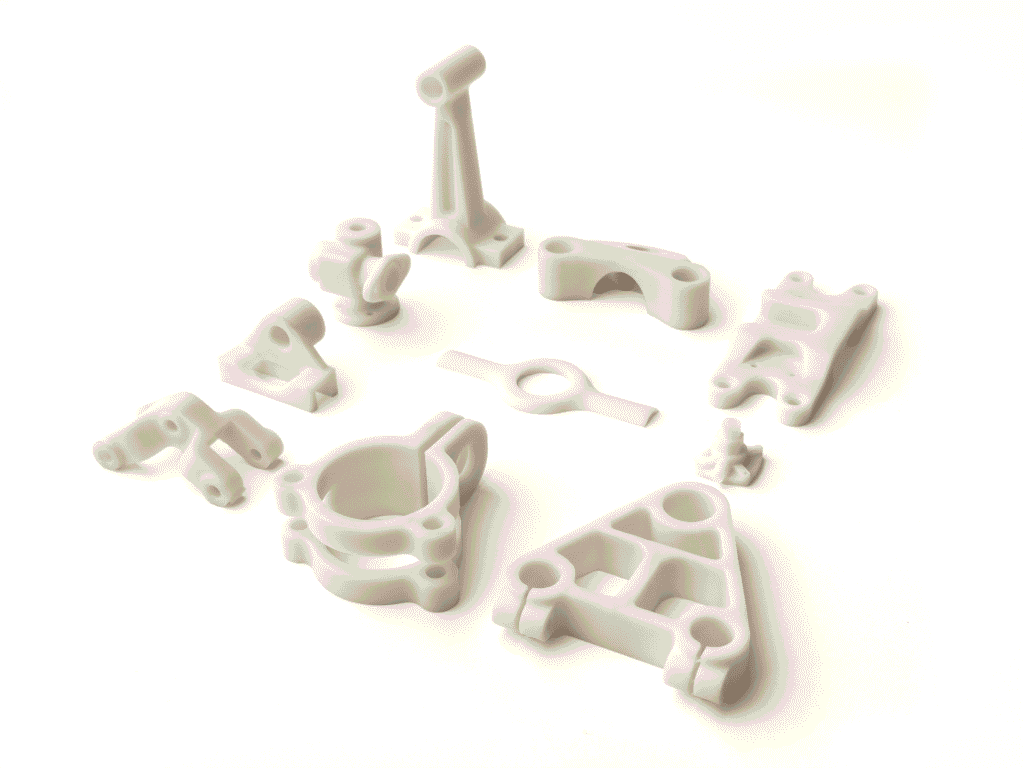

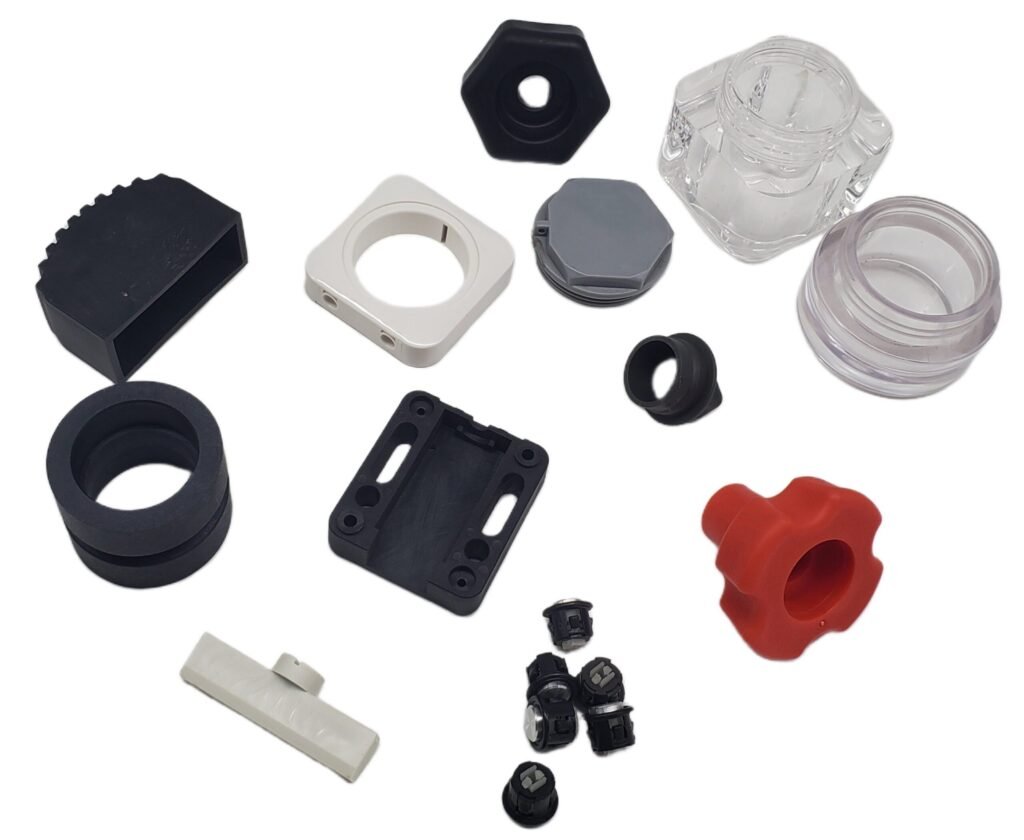
Yes, ABS is highly suitable for CNC machining. It cuts cleanly, holds tight tolerances, and produces smooth surface finishes, making it ideal for both prototypes and functional parts.
In CNC machining, ABS (Acrylonitrile Butadiene Styrene) is a thermoplastic material widely used for parts that require toughness, dimensional stability, and ease of machining. It can be milled, turned, or drilled to produce precise components.
ABS is very machinable. Its combination of moderate hardness and impact resistance allows CNC tools to cut efficiently without excessive wear, while maintaining clean edges and accurate dimensions.
ABS generally offers higher rigidity, better impact resistance, and superior surface finish compared to PP (Polypropylene), making it better for structural or precision parts. PP, however, is more chemical-resistant and flexible, so the choice depends on the application requirements.
ABS can be sensitive to UV light, which may cause discoloration or degradation over time. It also has lower chemical resistance compared to some engineering plastics and can warp under prolonged high heat.
ABS pipes have been largely replaced by PVC and other materials due to stricter building codes, higher fire safety standards, and better long-term chemical resistance offered by alternatives.